Meaning
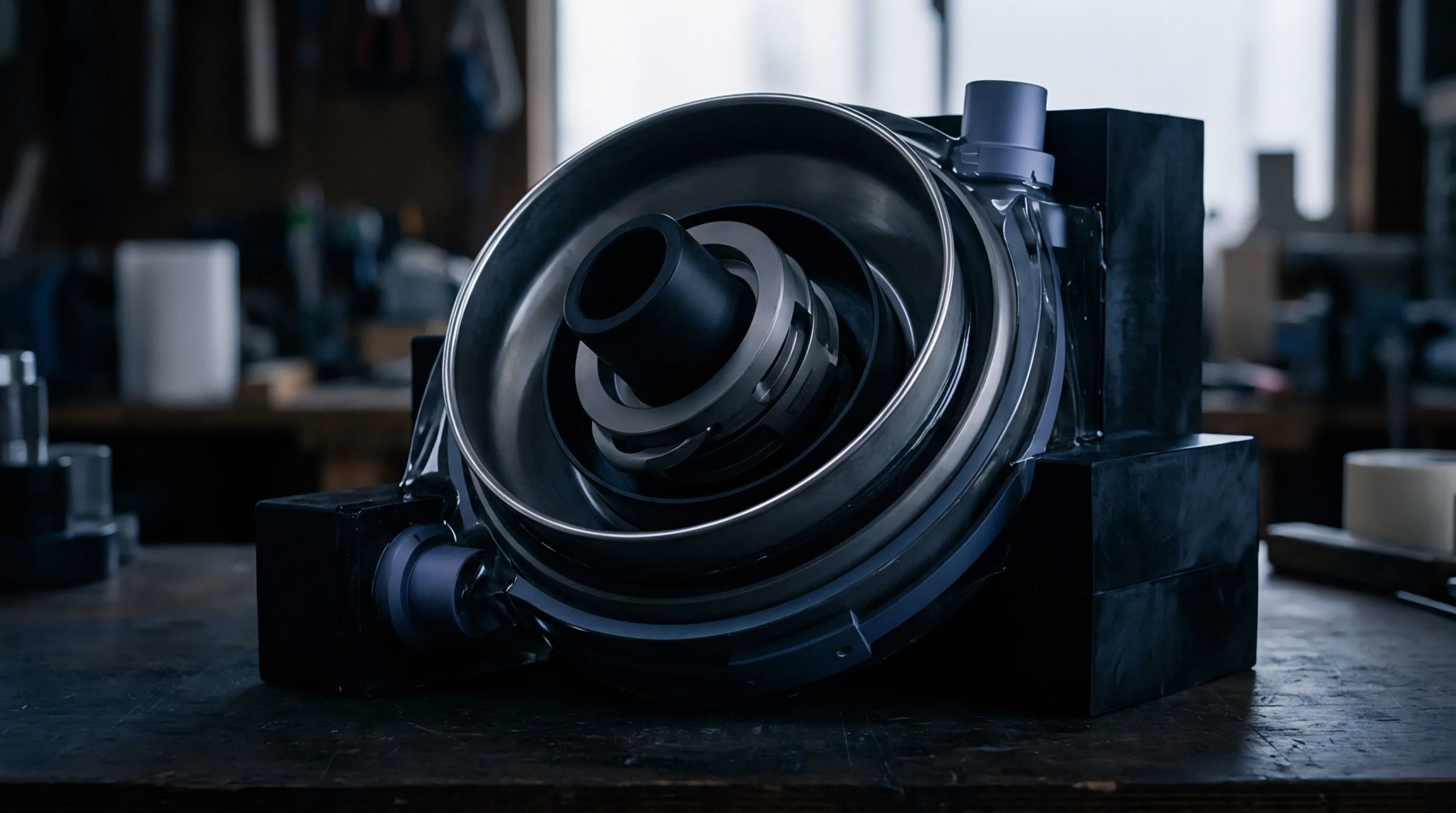
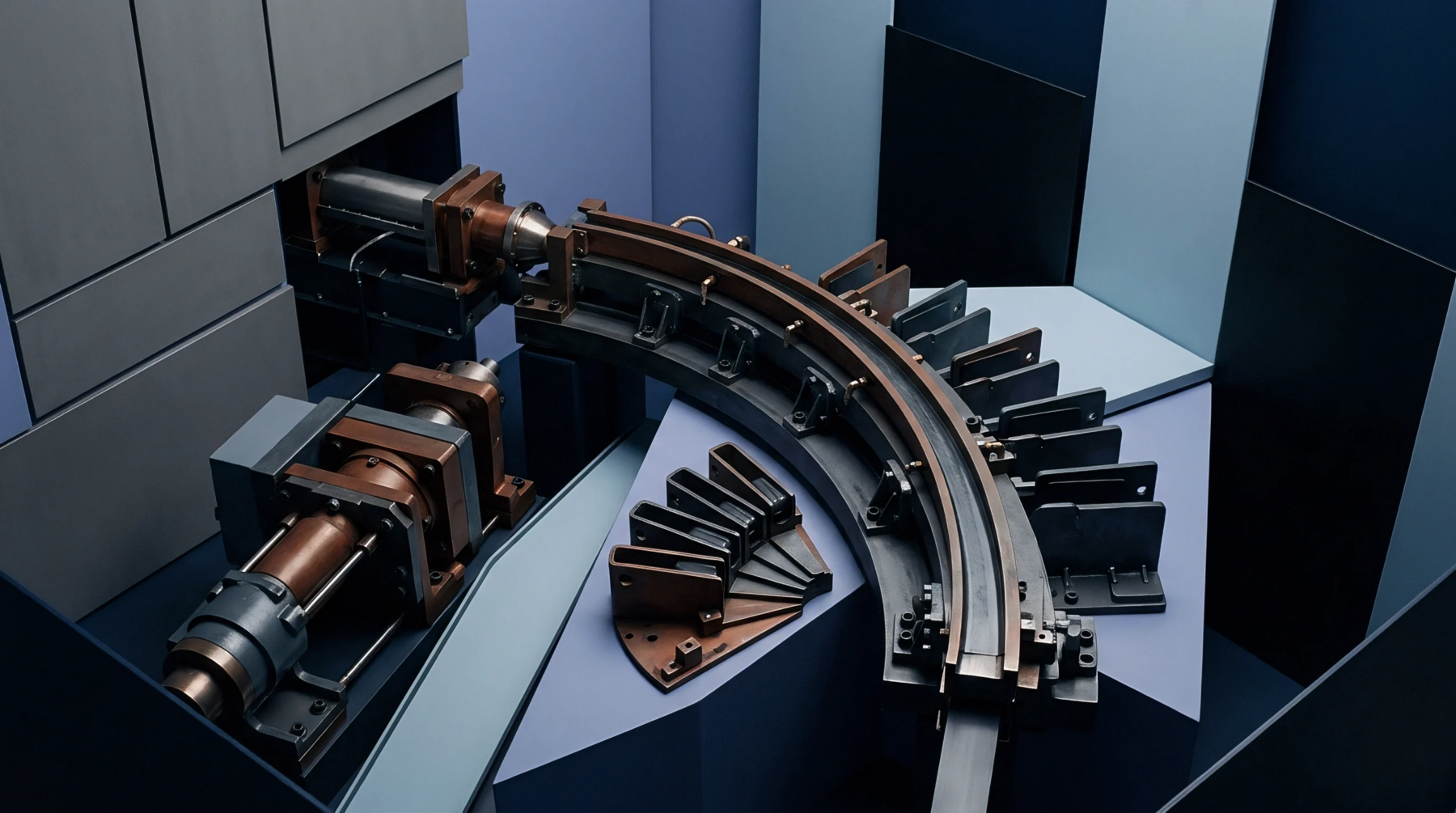
Physical modification of a plastic injection mould runner system manages the shear-induced viscosity distribution of polymer melts. meltflipper geometry relocates higher-temperature skin layers and lower-temperature core layers within the flow path to ensure thermal homogeneity before the material enters the cavity. This reconfiguration prevents unbalanced filling patterns and variations in part density caused by non-uniform viscosity across the cross-section.
Runner Modification
Engineers adjust the internal pathways of the feed system to invert or rotate the melt stream during transit. meltflipper geometry forces the molten plastic through channels that split, twist, and recombine the flow to eliminate laminar temperature gradients. Such internal rerouting compensates for the natural tendency of shear-thinning polymers to maintain hotter, less viscous layers along the walls and colder, more viscous material at the center.
Process Efficiency
Precise control over flow consistency improves the stability of short shots and sink marks in complex parts. meltflipper geometry narrows the deviation in pack pressure across multi-cavity tools which allows for tighter production windows. High-viscosity regrind resins benefit from this homogenization because it reduces the impact of inconsistent molecular weight distribution on final dimensions.
Dimensional Control
Stable molecular alignment and thermal uniformity lead to consistent crystallization rates in semi-crystalline materials. meltflipper geometry governs the stress distribution that contributes to warpage and shrinkage differences between parts produced in separate tool cavities. Uniformity in the melt front velocity minimizes internal residual stress levels across the finished component.