Meaning
Ultra-high-strength iron-nickel alloys gain their mechanical properties through a precipitation hardening process rather than the carbon-based quenching used in conventional steels. The unique chemistry of maraging 300 steel allows it to achieve extreme toughness and yield strength while remaining easy to machine in its annealed state. This grade is frequently used for high-pressure tooling and aerospace components where resistance to crack propagation is critical.
It provides a stable platform for complex additive manufacturing processes due to its excellent weldability.
Ageing Process
Heat treatment at relatively low temperatures around 480 degrees Celsius triggers the formation of intermetallic precipitates within the martensitic matrix. During this phase, maraging 300 steel undergoes minimal dimensional change, which allows for the finishing of parts to final tolerances before hardening. The absence of a traditional quench reduces the risk of distortion or cracking in complex geometries.
This predictability is a primary factor in selecting the material for high-precision inserts. Mechanical properties reach their peak when the soak time is precisely controlled.
Tooling Endurance
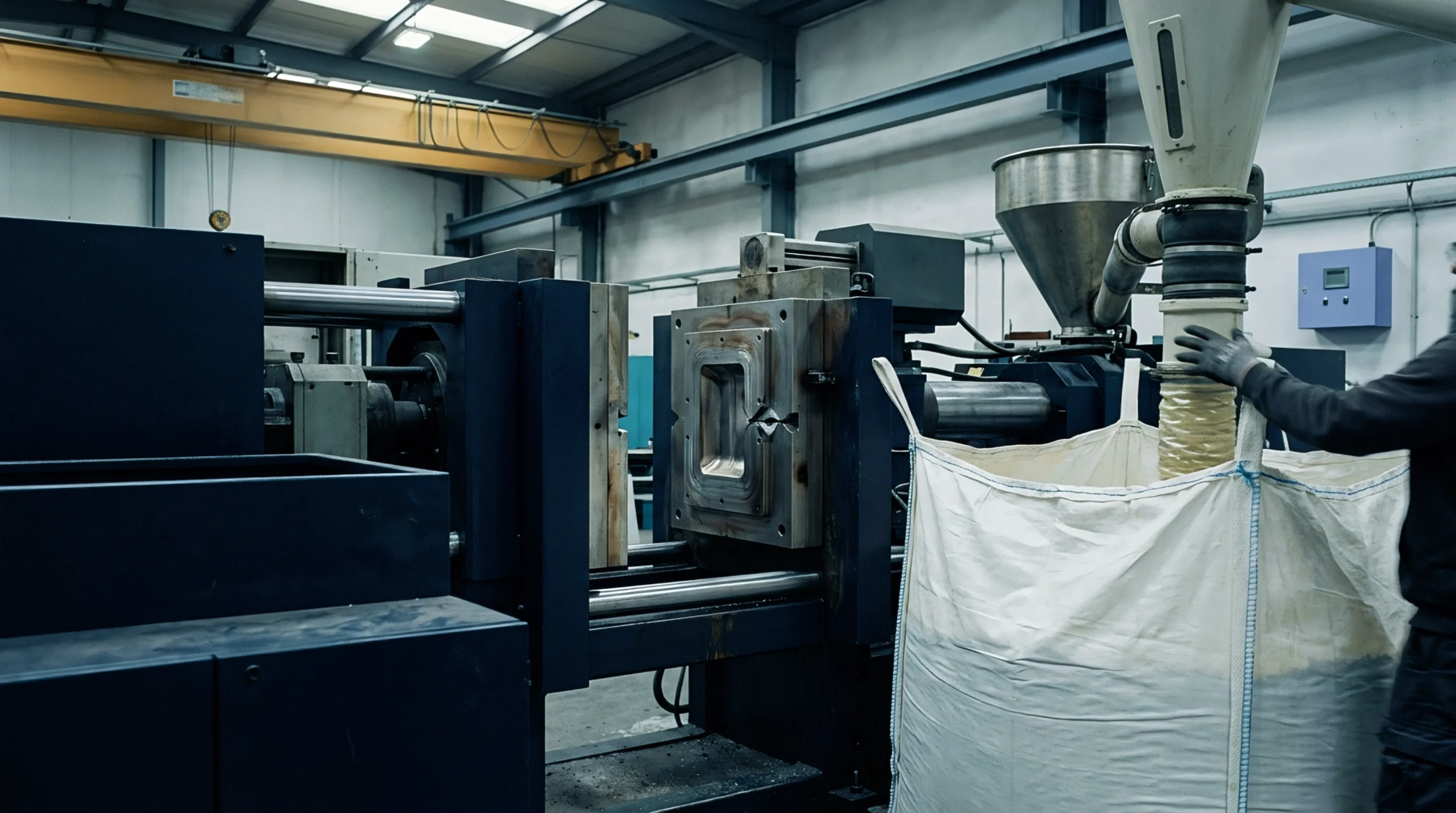
Resistance to thermal fatigue makes this alloy suitable for applications involving high-frequency thermal cycling. Tools made from maraging 300 steel can withstand the repeated stresses of the injection moulding process without the surface checking common in standard hot-work steels. The high nickel content provides a level of corrosion resistance that protects the cooling channels from degradation over time.
This durability supports long production runs with minimal maintenance downtime.
Structural Integrity
High fracture toughness ensures that the material can sustain significant loads even in the presence of small surface defects. Components fabricated from maraging 300 steel maintain their structural reliability under extreme hydraulic pressures. If the material is over-aged, the precipitates coarsen and the strength begins to decline.
Maintaining strict control over the ageing cycle is necessary to ensure the final part meets the required datasheet values.