Meaning
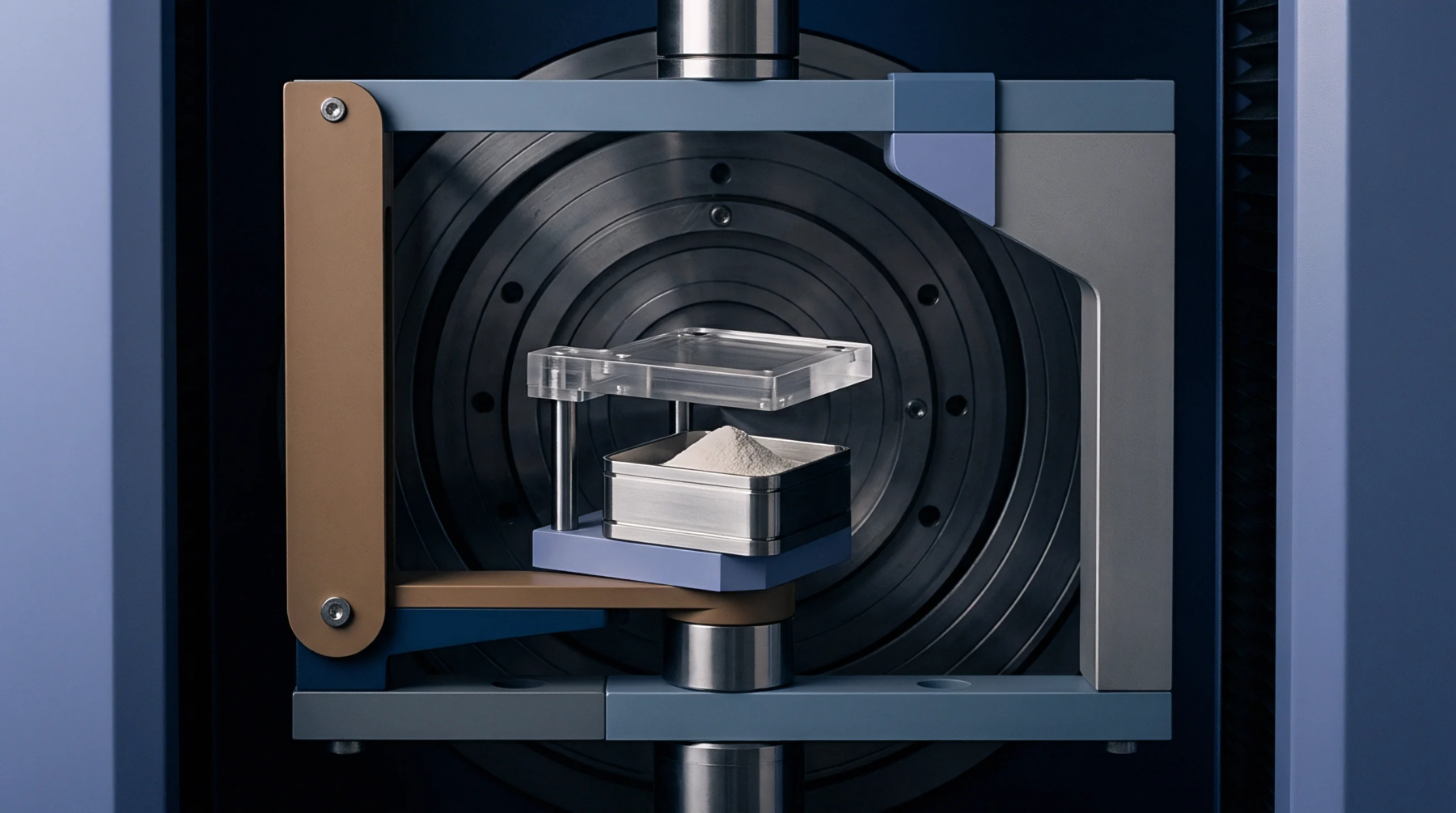
Short polymer chains generated during polymer synthesis or thermal degradation that can migrate to the surface of moulded components. These molecules have lower viscosity and thermal stability than the high-molecular-weight chains in the resin matrix. This difference in properties affects both processing and part appearance.
Surface Deposition
Migration occurs when the low molecular weight oligomers diffuse through the polymer matrix to the exterior surface of the part. This migration creates a white, powdery residue or a sticky layer that degrades the aesthetic and functional properties of the product. In optical or food packaging applications, this residue is a major defect that can lead to batch rejection.
Degradation Pathway
The formation of these short chains is often accelerated by high melt temperatures or excessive shear in the injection moulding barrel. When the resin is exposed to thermal stress, the long polymer backbones undergo chain scission, yielding shorter fragments. Controlling the melt temperature and residence time in the screw is necessary to prevent this degradation.
Mechanical Loss
High concentrations of these short chains can act as internal plasticizers, which reduces the overall tensile strength and heat deflection temperature of the moulded component. This loss of mechanical performance can cause parts to fail prematurely under load. Moulders must monitor incoming resin batches to ensure the concentration of these volatile components is within specification.