Meaning
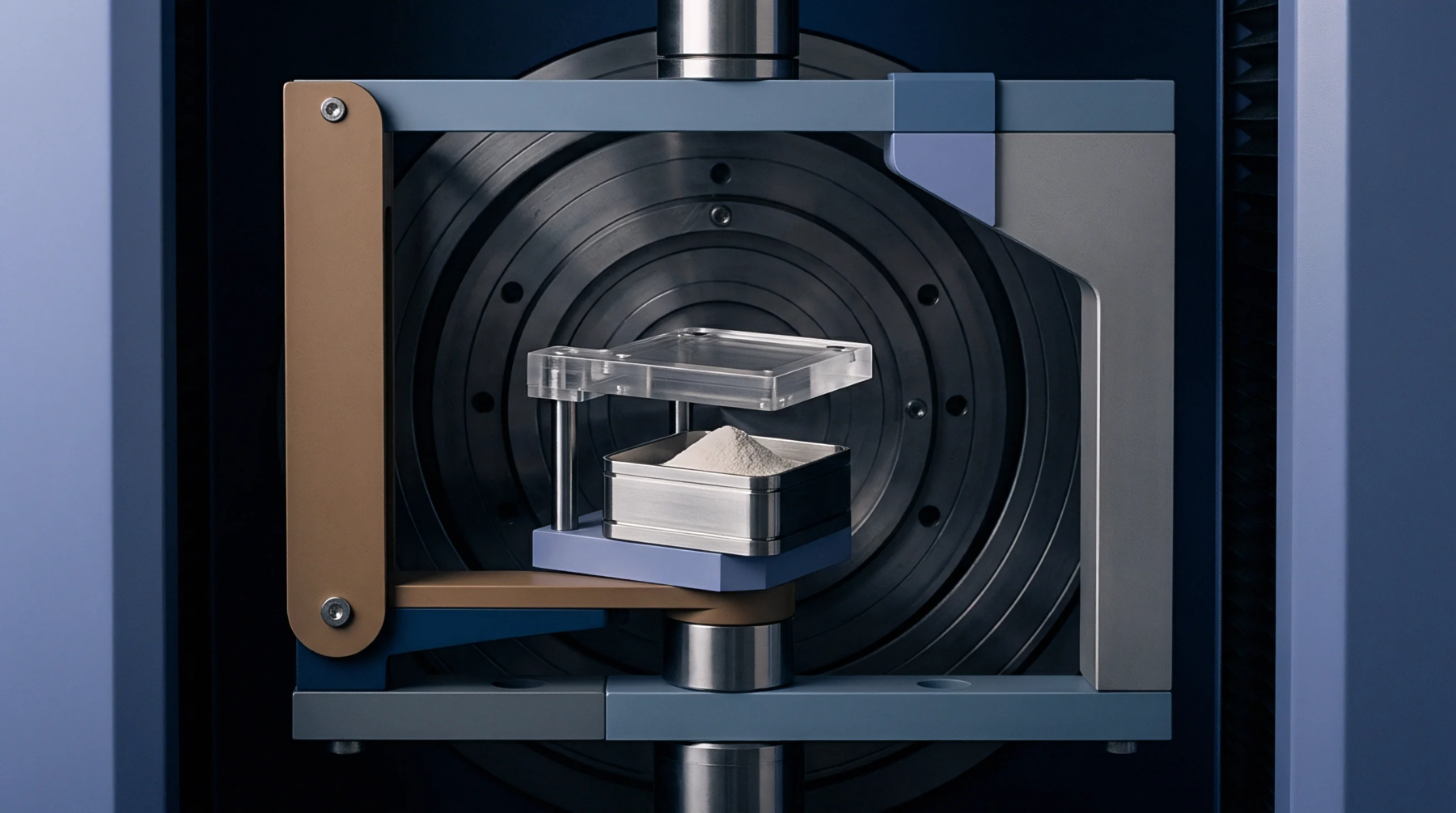
Real-time rheological measurement techniques monitor polymer melt flow within the production stream. During extrusion or injection moulding, inline viscometry utilizes sensors embedded in the nozzle or die to continuously measure viscosity without diverting the polymer. This immediate measurement eliminates the need to collect physical samples for offline laboratory testing.
Sensor Function
Capillary or slit die sensors measure the pressure drop at a known flow rate to calculate the viscosity. Because the measurement occurs directly within the melt stream, inline viscometry captures the effects of process variables such as temperature, pressure and shear rate. This direct feedback allows operators to detect material changes instantly, such as variations in recycled regrind content.
It also accounts for the non-newtonian behavior of the polymer by measuring at shear rates that match the actual moulding conditions in the gate.
Flow Detection
Shift in the polymer’s molecular weight or moisture content changes the viscosity and is captured by the sensor. When moisture degrades a polyester melt, the viscosity drops, which triggers an alarm in the monitoring system. This capability prevents the moulding of defective parts by catching material issues before the plastic enters the cavities.
System Control
Output from the viscometer can be linked to the machine controller to make automatic adjustments to the heating zones. If the viscosity rises above the tolerance limit, the controller increases the barrel temperature to restore the correct flow behavior. This automated feedback loop maintains consistent part quality despite differences in the raw resin batches.