Meaning
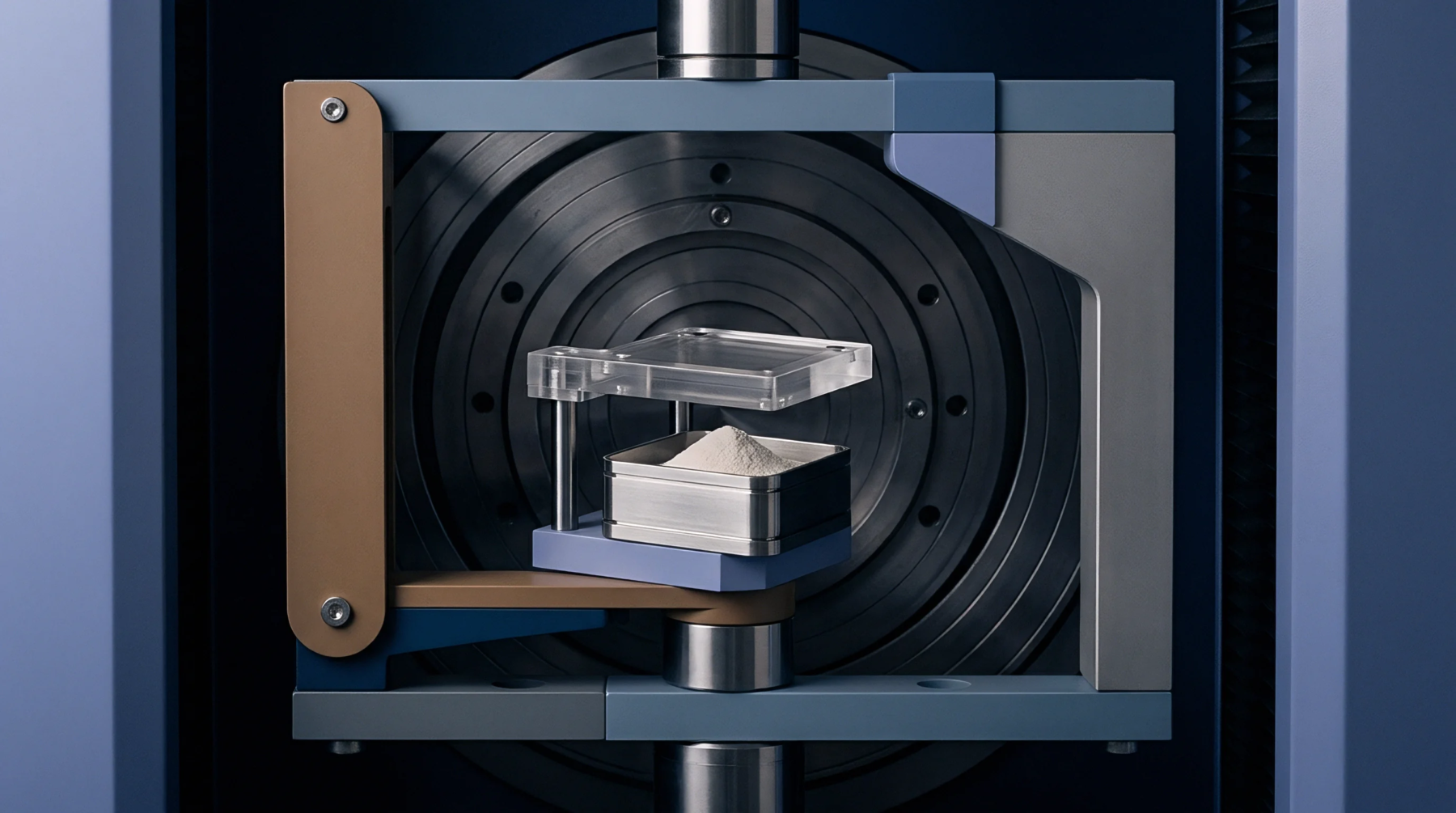
Quality assurance process that evaluates raw materials and components upon arrival at a manufacturing facility ensures that only conforming items enter production. This incoming quality control protects the molding process from variations in resin moisture, pellet size, or regrind ratio. This step establishes a critical baseline for downstream production consistency.
Material Verification
Standard testing procedures include measuring the melt flow index, moisture content, and density of each incoming polymer lot. If a resin batch fails to meet the specified melt flow rate, it can cause processing instabilities such as short shots or flash. Discrepancy checks must be completed before any material is transferred to the dryer or the feed hoppers.
Defect Prevention
Early identification of out-of-specification materials prevents costly downtime and scrap generation during the production run. When contaminated or off-grade resins are caught before they reach the molding machines, the risk of tool damage from foreign matter is eliminated. This preventive measure saves energy and processing time by keeping the production line focused on conforming material.
Supplier Evaluation
Documented test results over time provide objective data for assessing the reliability of polymer suppliers. When a supplier consistently delivers resin within tight tolerance bands, the inspection frequency may be reduced through a certified supplier program. This systematic tracking supports the procurement process in making informed purchasing decisions and drives continuous quality improvement across the supply chain.
The resulting data stream also serves to defend the molding operation against disputes regarding material defects when issues arise in the field.