Meaning
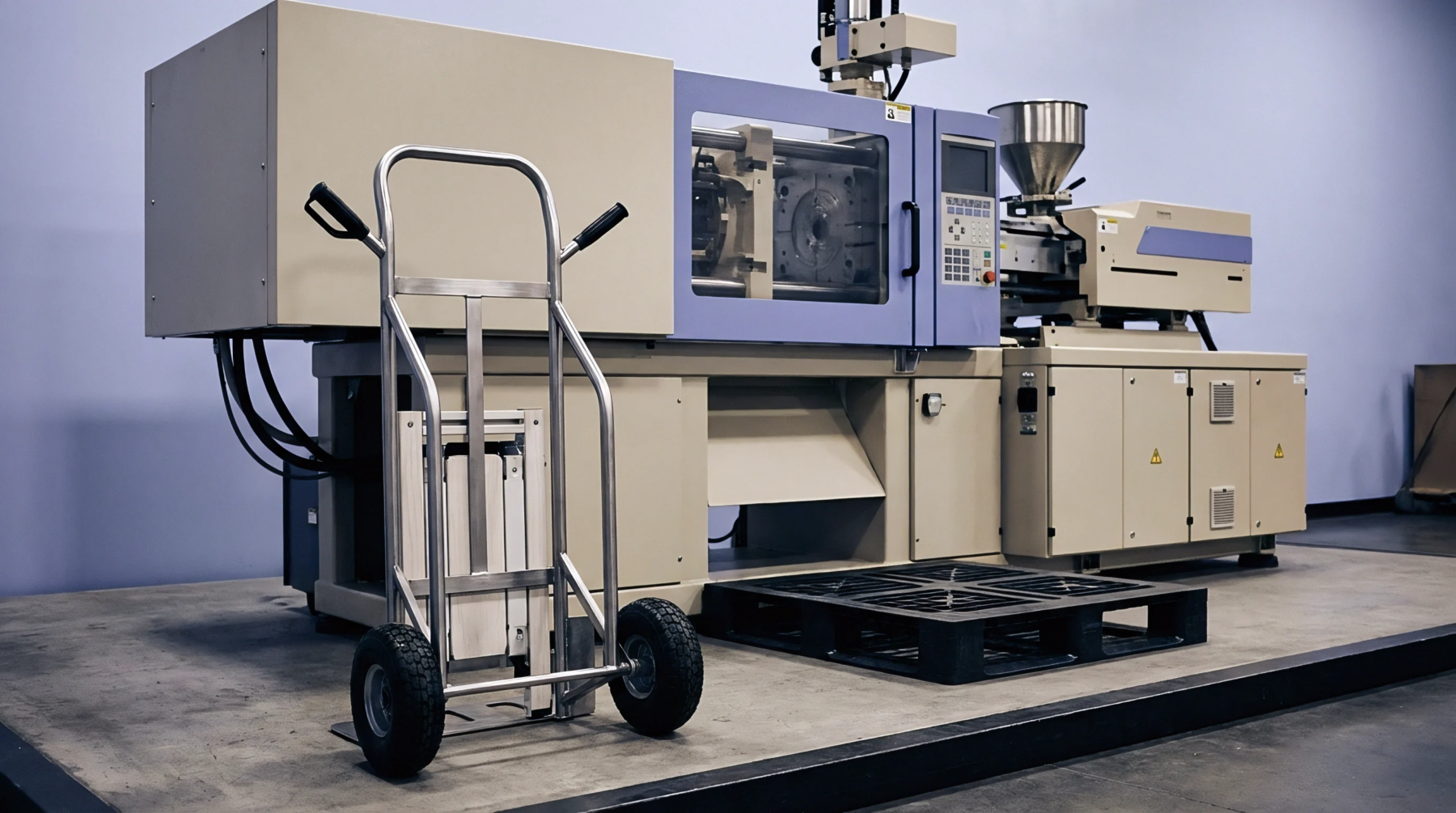
Mechanical response times measure the delay between the electronic actuation signal and the physical movement of a machine valve spool. Minimizing hydraulic valve latency is necessary for maintaining precise pressure and flow transitions during the injection cycle. This parameter determines how accurately an injection molding machine can execute the transition from filling to packing.
Transition Precision
Electronic signals trigger the valve to change the direction or volume of hydraulic fluid flow. If the response of the valve is delayed or inconsistent, the cavity pressure profile shifts, causing part weight variations. Precise control of this response time prevents overfilling and minimizes the risk of flashing the mold.
Machine Maintenance
Wear on the valve spool and degradation of the hydraulic oil alter the mechanical response over time. Accumulation of fine particulate matter or varnish on internal valve surfaces increases friction and introduces variability in the response. Regularly scheduled filtration and fluid testing are necessary to prevent these operational drift issues.
Controller Compensation
Modern high-speed injection molding controllers utilize advanced closed-loop algorithms to compensate for these inherent hydraulic system delays. By predicting the behavior of the hydraulic valve latency under varying oil temperatures, the machine adjusts the electronic signal timing to achieve the target screw velocity profile. This proactive compensation allows processors to maintain extremely tight dimensional tolerances and consistent part weights on high-speed molding runs.