Meaning
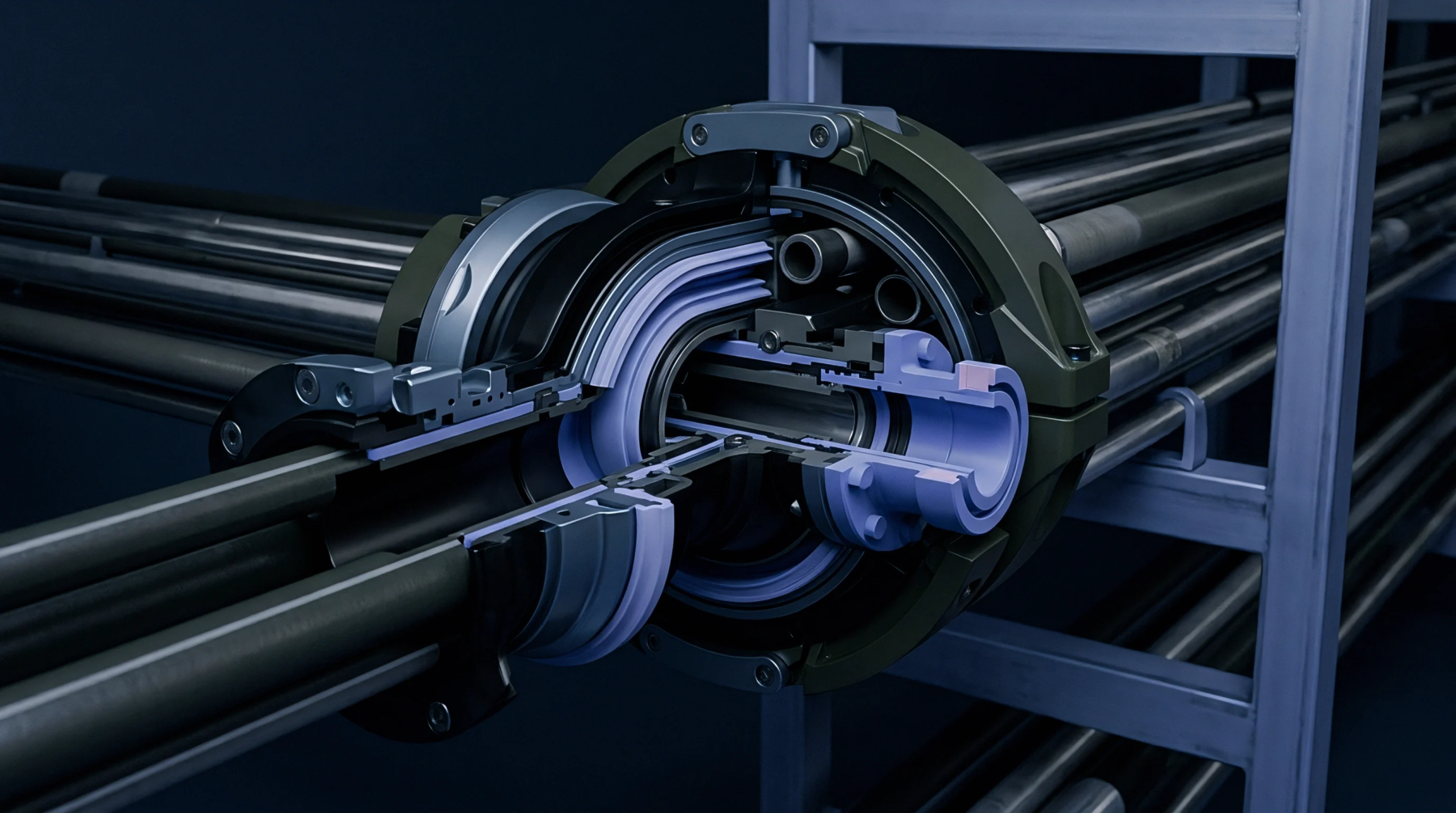
Documentation sequences record the thermal profile and dimensional tolerances required to remove hot runner manifolds from an injection mould base without inducing mechanical strain. These hot runner extraction dossiers provide the baseline reference for maintenance technicians to ensure that electrical heating elements and thermocouple leads remain protected during tool disassembly. A failure to follow the defined torque sequences listed in such records results in sheared fastening bolts or broken ceramic insulation within the heater bands.
Thermal Geometry
The registered values govern the heating element contact pressure necessary to maintain viscosity stability across multi-cavity gate locations. Engineers specify these parameters during the initial tool validation phase to prevent cold slugs or gate vestige variation during high-speed production cycles. Excessive tightening of retention bolts during reassembly creates localised stress risers in the steel manifold, which creates premature fatigue cracking under the cyclic load of resin injection.
Regrind Economics
Variability in the material feed introduces direct friction costs when extraction records lack precise thermal compensation data for non-virgin feedstock. Moulders working with high percentages of regrind require documented manifold settings to adjust the heat soak duration before the first shot is cleared. Precise logs prevent the destruction of expensive internal probe assemblies during the shift from virgin materials to secondary, fibre-filled resins.
Operational Drift
Records function as the audit trail for every maintenance interval performed on the hot runner assembly throughout the lifecycle of the mould. When technicians neglect the steps dictated by the dossier, the resulting misalignment of the hot tip relative to the cavity gate causes flashing or severe erosion of the gate steel. Accurate adherence to these specifications maintains the dimensional integrity of the final part by ensuring that the gate seal remains consistent regardless of the number of maintenance cycles conducted on the tooling.