Meaning
Resistance to flow exhibited by a polymer melt when subjected to the extreme velocities typical of injection gates or thin-wall sections.
Technical Measurement
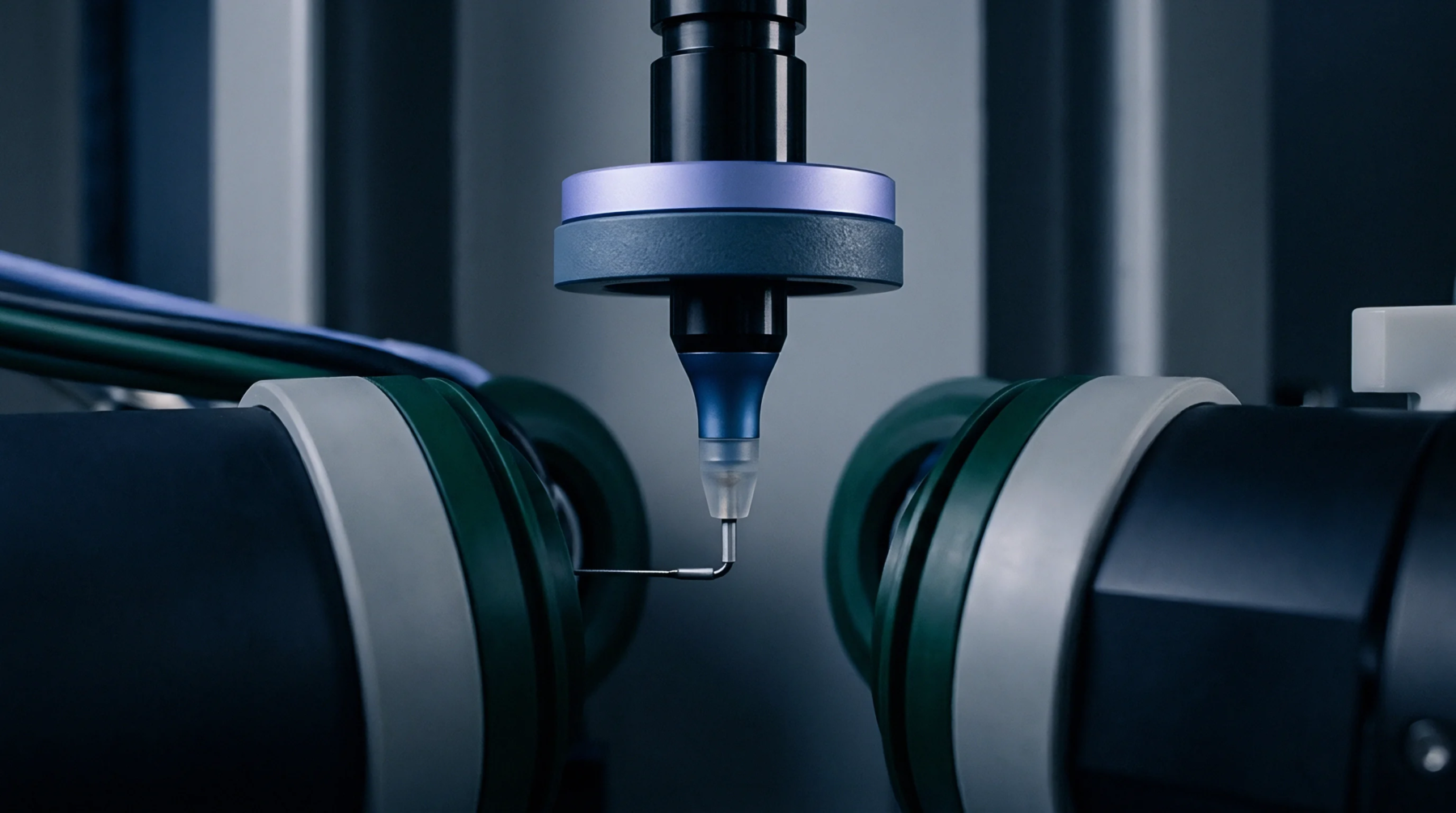
Standard laboratory tests quantify this value at rates between 1000 and 100000 reciprocal seconds to reflect actual manufacturing conditions. While melt flow rate provides a single point of data, high shear rate viscosity shows how the material performs under pressure. Capillary rheometers are the primary tool for extracting these data points.
The resulting curves help engineers identify the shear-thinning threshold of a specific resin grade.
Production Stability
Operators monitor this property to ensure that the cavity fills before the material begins to solidify. High shear rate viscosity determines the heat generated by internal friction as the plastic passes through narrow orifices. Excessive viscous heating can lead to material degradation or discoloration in the finished part.
Proper thermal management relies on knowing these values for every grade in the silo.
Defect Prevention
Accurate profiling of this variable prevents the occurrence of burn marks caused by compressed air or over-sheared resin. Fluctuations in high shear rate viscosity lead to inconsistent part weights and dimensional instability. Recycled content often changes this value, necessitating adjustments to the injection profile to maintain quality.