Meaning
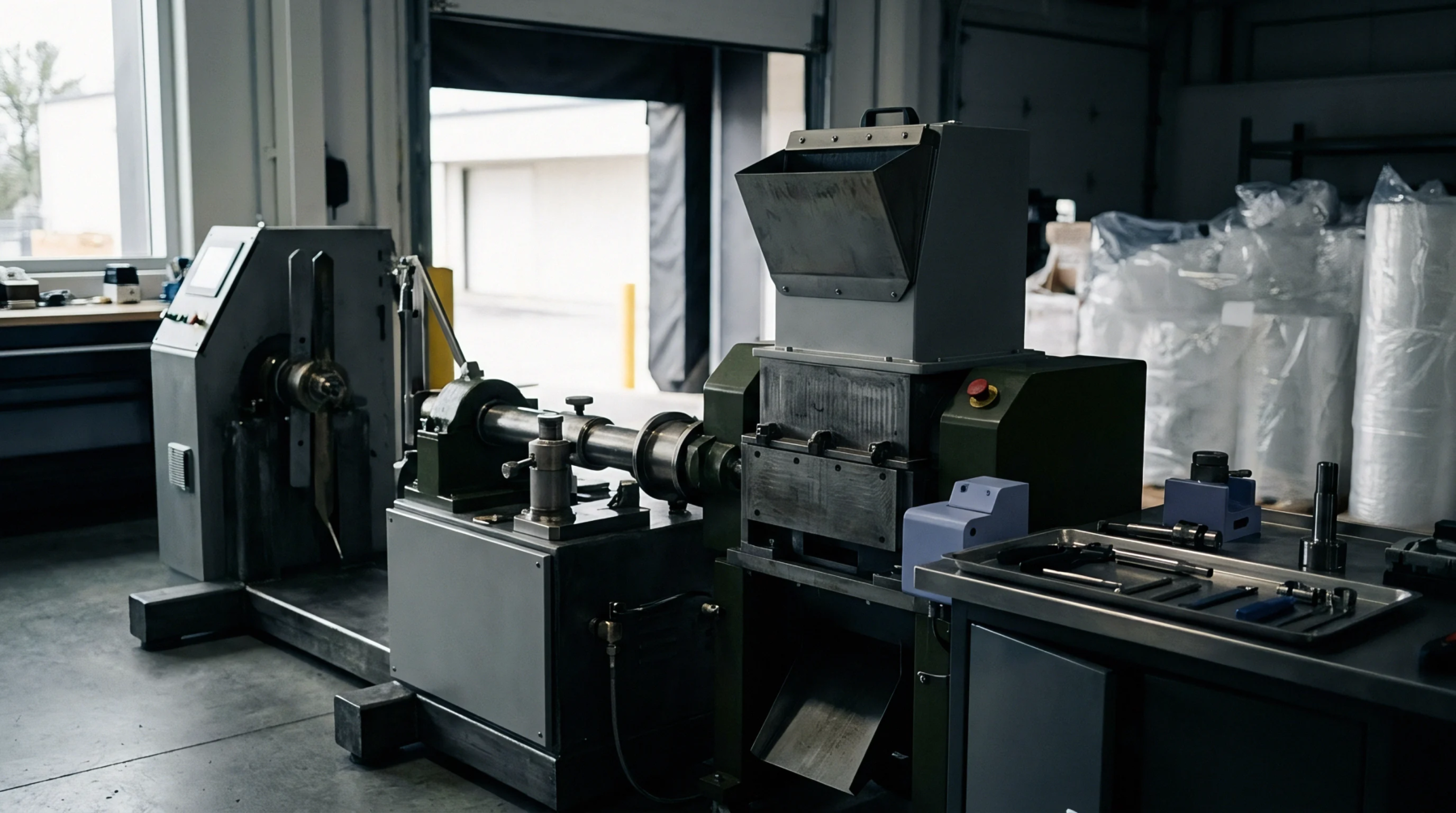
The rapid, unplanned removal of a customer-owned injection mould or extrusion die from a failing supplier’s factory occurs to prevent supply chain disruption. This emergency tool extraction is executed when a moulder faces imminent closure, bankruptcy, or lock-out by its landlord or secured creditors. It requires legal authorization, physical access to the facility, and coordinated logistics to transport the heavy tooling to a safe location or a new supplier.
Retrieval Protocol
Coordinating the physical retrieval of a tool requires careful planning and specialized equipment. A multi-cavity injection mould can weigh several tons, requiring a heavy-duty gantry crane, flatbed trucks, and skilled technicians to safely dismount it from the press. During an emergency tool extraction, the team must also locate and retrieve the corresponding tool drawings, maintenance records, and hot runner controllers.
Without these accessories, running the tool at a new facility will be delayed.
Legal Execution
Legal authority is necessary before entering the supplier’s premises to retrieve assets. Entering without a signed release or a court order can lead to charges of trespassing or theft.
Risk Mitigation
Proactive monitoring of supplier financial health helps avoid the need for sudden recovery operations. When signs of distress appear, such as missed delivery dates or unpaid resin bills, a customer should plan the relocation of the tooling early. Executing an emergency tool extraction is always a last resort because it carries high risks of physical damage to the mould and legal complications.