Meaning
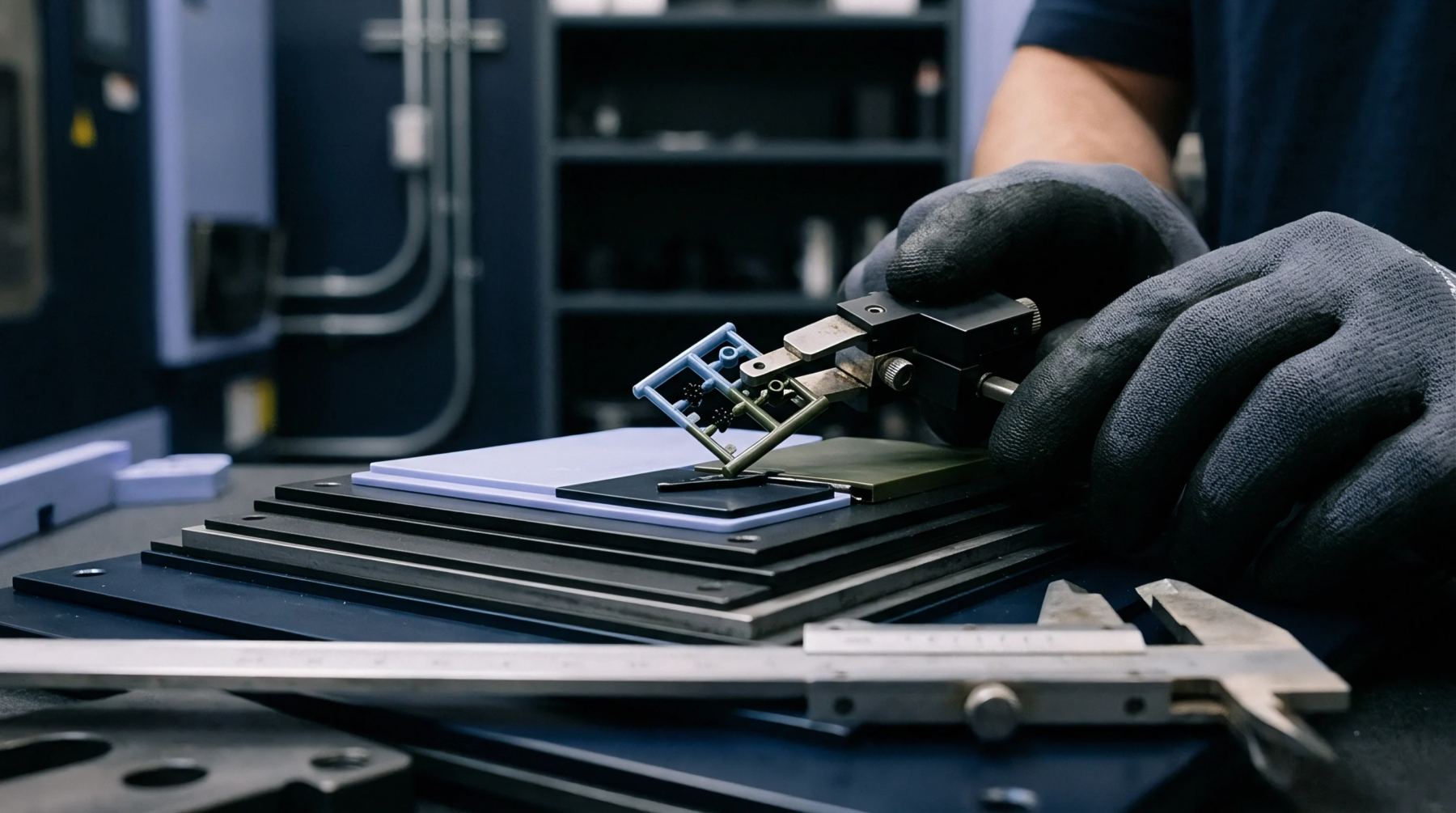
Statistical metrics derived from coordinate measurements determine the structural capacity of an injection mould to consistently yield parts within specified drawing tolerances. Assessing dimensional capability involves calculating process capability indices, such as Cpk and Ppk, across production runs under steady thermal conditions. The measurement governs part fit, snap latch engagement and seal compression in finished assemblies.
It no longer applies when tool wear, cavity steel deformation or severe mechanical damage alters the physical mold geometry.
Statistical Baseline
Moulding machines produce plastic components subject to minor hydraulic pressure swings and barrel heating fluctuations. Establishing dimensional capability requires collecting sample parts across multiple production hours and measuring critical feature dimensions with automated optical instruments. Virgin resins show consistent shrinkage behavior, whereas variable regrind blends cause dimension drift that lowers process capability indices.
Datasheet nominal shrinkage rates provide an initial tool design estimate, but shop floor statistical capability reflects actual machine performance.
Cavity Imbalance
Multi cavity tools frequently suffer from uneven fill rates due to shear thinning differences inside runner branches.
Thermal Contraction
Semi crystalline polymers experience substantial volume reductions during cooling as molecular chains pack into organized crystalline structures. Lowering mold wall temperatures increases cooling rates, which arrests crystallization and increases final part dimensions relative to slower cooling cycles. Adjusting hold time and packing pressure allows operators to fine tune dimensional capability without altering tool cavity steel dimensions.
Tight process windows ensure that critical wall thicknesses remain stable throughout long production runs.