Meaning
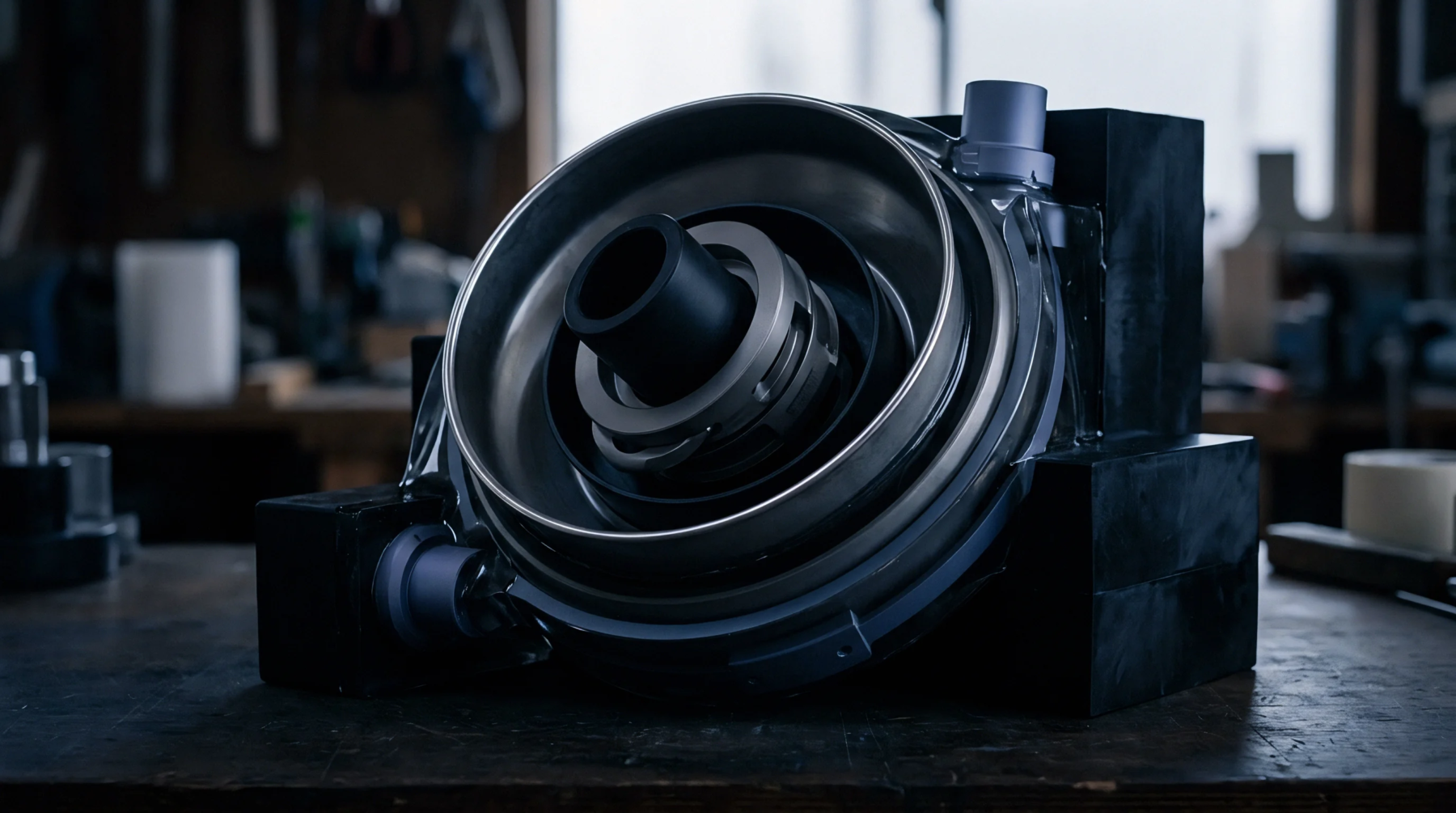
An analytical vessel configuration eliminates the physical barrier between the anode and cathode compartments in a coulometric system. The diaphragmless titration cell relies on a specific electrode geometry to prevent the iodine generated at the anode from being reduced back to iodide at the cathode. Modern karl fischer units for plastic analysis often use this design to simplify maintenance and reduce cleaning requirements.
It permits the use of a single reagent solution.
Cathode Design
Small surface areas on the cathode help maintain the necessary electrochemical environment without a ceramic frit. A diaphragmless titration cell avoids the common problem of salt buildup within the pores of a separator. Clogging in traditional cells leads to increased electrical resistance and slower titration speeds.
This open design allows for rapid equilibration when the system is first started.
Measurement Boundary
Performance at very low moisture levels is comparable to traditional cells while offering superior ease of use. The diaphragmless titration cell is particularly effective for testing the moisture content of dried pellets prior to injection molding. Because there is no diaphragm to trap moisture, the drift rate stays lower and more consistent over long shifts.
High drift rates complicate the measurement of samples with less than fifty parts per million of water.
Operational Maintenance
Ease of cleaning makes this setup preferable for labs. A diaphragmless titration cell reduces the risk of contamination. The absence of a glass frit makes the vessel more durable.