Meaning
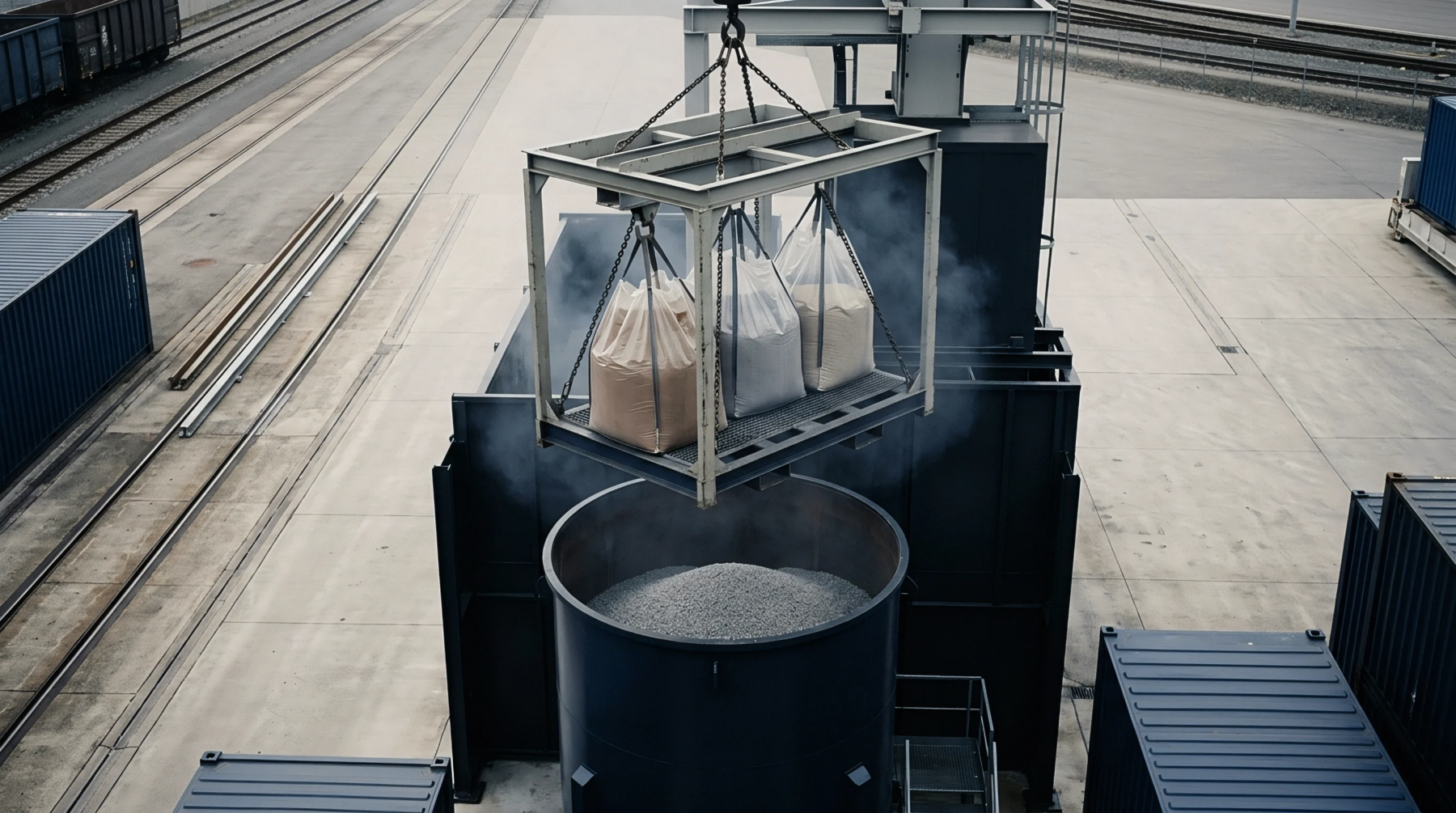
Regulatory intervention by border authorities represents a formal suspension of cargo release during international transit. Moulding plants sourcing specialty engineering polymers from overseas suppliers encounter a customs hold when documentation does not match the actual polymer classification. This administrative delay halts the entry of resin containers until inspectors verify chemical compliance.
Supply Consequence
Material shortages occur when raw polymer shipments remain trapped at the port of entry. Without the expected delivery of resin, injection moulding machines run dry and production schedules fail. Such stoppages trigger delivery penalties from automotive or medical customers who require consistent component supply.
Financial Burden
Demurrage fees and container storage costs accumulate daily while shipping containers sit on the port dock awaiting inspection. These added expenses increase the net raw material cost per kilogram of resin for the moulding facility. Secondary expenses also accumulate from emergency shipping of alternative polymer batches to keep assembly lines running.
When a mould must be transferred to an alternative facility to avoid production downtime, the shipping and recalibration costs compound the initial loss. Extended delays can lead to the cancellation of entire purchase orders by high-volume buyers.
Risk Mitigation
Thorough pre-clearance auditing of polymer safety datasheets and trade certificates prevents border delays. Importers avoid a customs hold by working with trusted customs brokers who understand the international classification codes for compound formulations. Verifying chemical compliance documentation prior to departure protects the supply continuity.