Meaning
Standardized supplier verification protocols evaluate the technical capability, process controls and quality systems of custom resin blenders. Executing compounder qualification establishes whether a custom material vendor maintains tight control over dispersion, filler loading and melt viscosity across consecutive production lots. The protocol sets boundary limits for physical testing and raw material traceability before virgin or recycled feedstocks enter commercial injection operations.
Compliance terminates at the delivery point, shifting responsibility to internal moulding controls once the seals break on container shipments.
Audit Scope
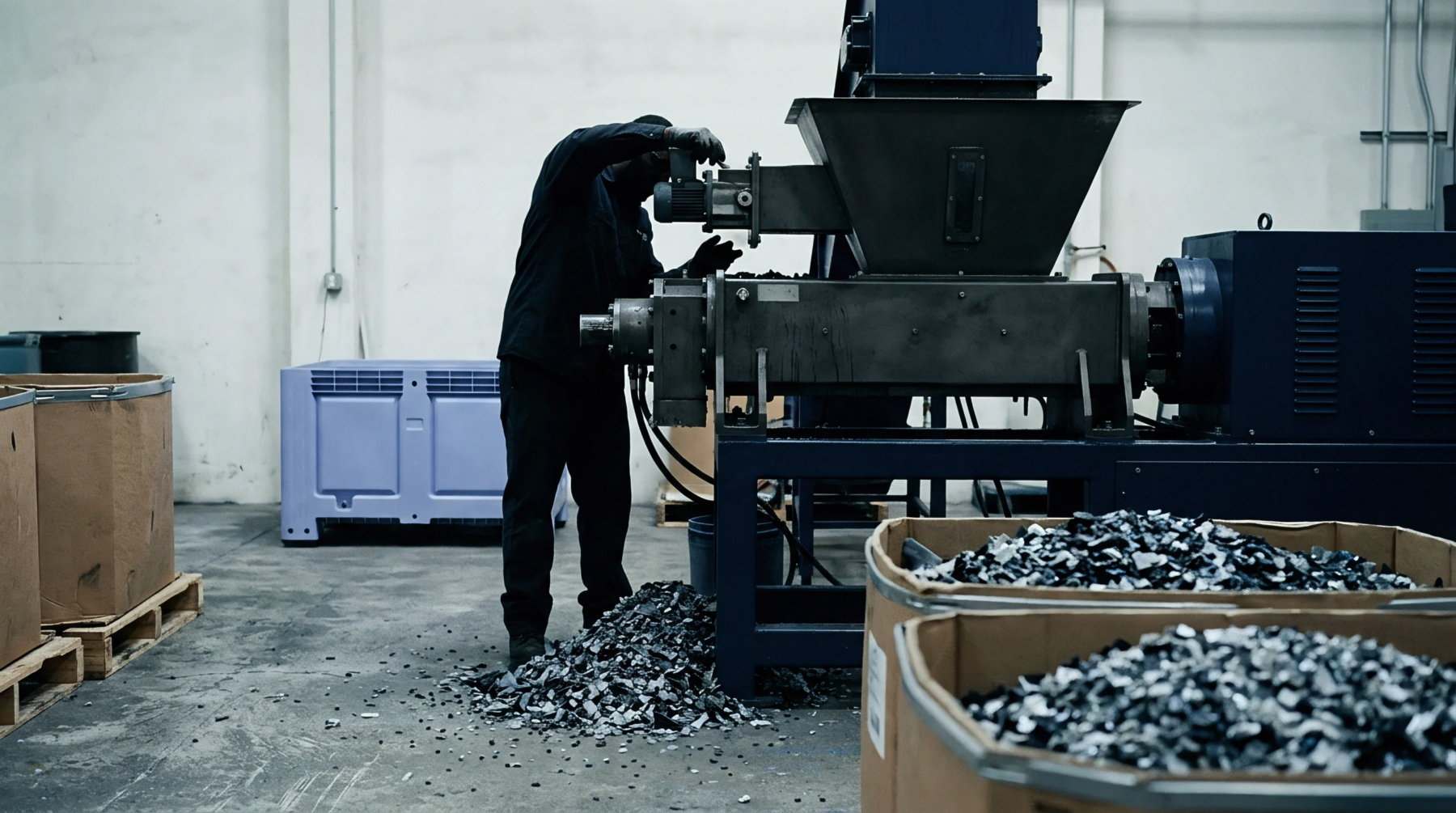
Industrial audits assess equipment capabilities alongside batch weighing accuracy and downstream twin-screw extruder mixing profiles. Performing compounder qualification requires empirical verification of gravimetric feeder calibration curves and vacuum degassing efficiency during masterbatch production. Technical auditors evaluate raw material acceptance testing for base polymers, impact modifiers and mineral fillers to prevent contamination risks.
Documented statistical process control charts must confirm that melt flow rate variations remain within specified engineering tolerances over multi-ton production runs.
Rheological Variance
Thermal stability and shear sensitivity shift substantially when compounding parameters drift from established processing windows. Formal compounder qualification uncovers hidden lot-to-lot inconsistencies in melt viscosity that cause flash or sink marks during part moulding. When filler dispersion degrades, mechanical tensile strength drops while tool wear accelerates from un-dispersed agglomerates.
Moulders track shear rate sensitivity to ensure that virgin resin blends perform identically to formulations containing approved regrind fractions.
Economic Exposure
Unverified resin suppliers introduce financial liabilities through unpredictable scrap rates and unexpected mold damage. Formal compounder qualification isolates unstable resin blends prior to high-volume production launches, protecting margins against unscheduled tooling maintenance.