Meaning
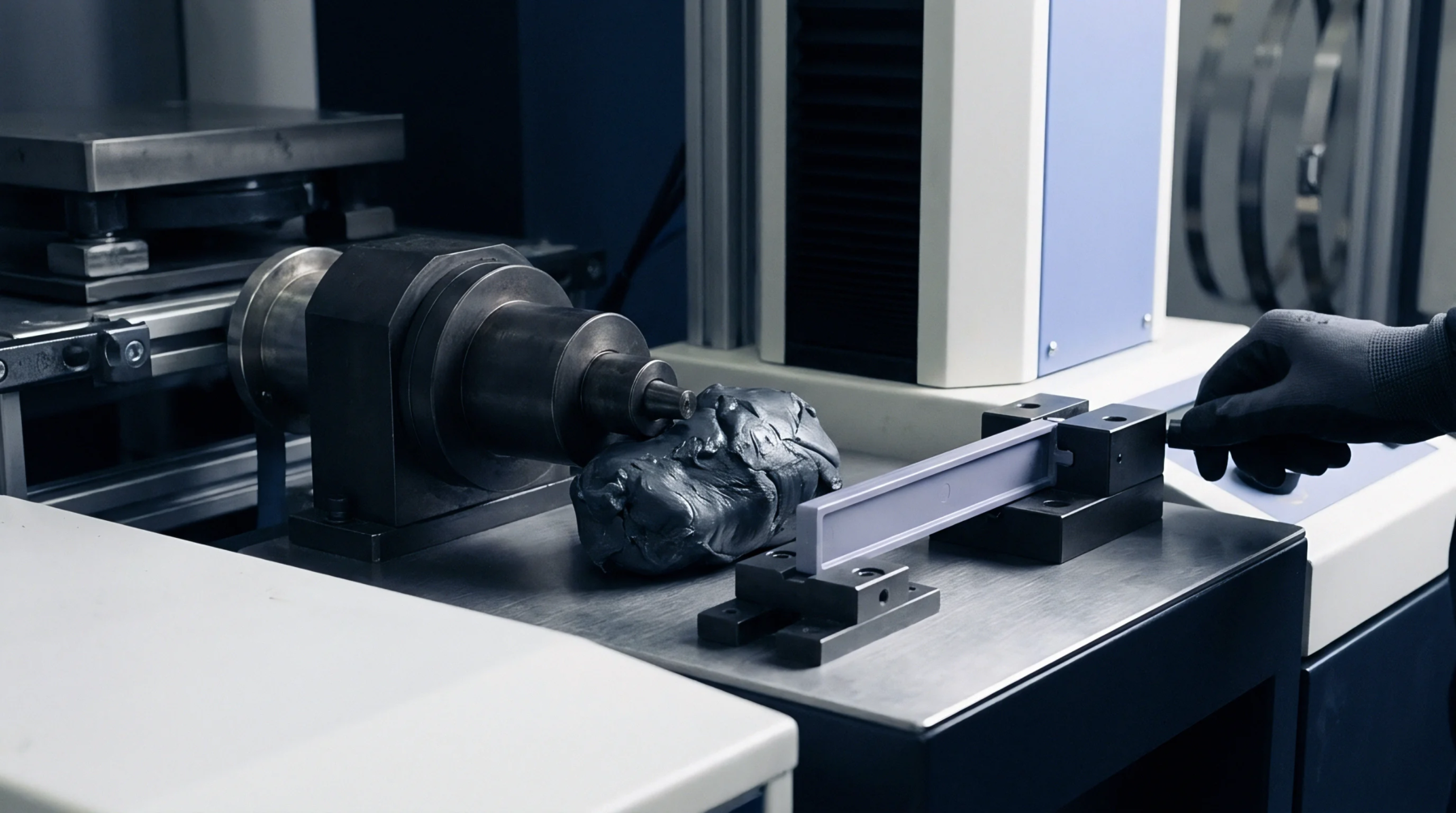
Systematic verification of a supplier’s adherence to technical specifications and regulatory mandates ensures that the resin entering a production line matches the certificate of analysis. A compliance audit identifies discrepancies between the promised polymer grade and the actual material delivered to the silo. It establishes the baseline for risk management in medical or food-contact applications.
This process involves reviewing batch records and chain of custody documentation.
Documentation Review
Examination of the material safety data sheets and reach declarations confirms that the supplier manages hazardous substances correctly. Auditors look for consistency in laboratory testing methods across different production lots. Inconsistency here suggests that the reported melt flow index or tensile strength might not represent the whole batch.
Site Inspection
Physical checks of the storage and handling areas reveal potential sources of cross-contamination. Poor housekeeping often leads to the inclusion of foreign polymers or moisture in the virgin feedstock. A failure in this area forces the moulder to deal with visual defects like splay or structural weaknesses in the final part.
Supplier Reliability
Supplier performance directly influences the scrap rate and the frequency of production stoppages. Regular audits reduce the cost of quality by preventing the processing of sub-standard resin.