Meaning
The self-accelerating reaction of polymers with atmospheric oxygen occurs through a free-radical chain mechanism during processing and long-term service. This chemical pathway, known as auto-oxidation, breaks down molecular weight and leads to premature mechanical failure in finished parts. The reaction proceeds through initiation, propagation, and chain termination steps.
Degradation Pathway
Exposure of the polymer melt to high temperatures and mechanical shear generates alkyl radicals that react rapidly with oxygen to form hydroperoxides. These intermediate species subsequently split to form further radicals, accelerating the degradation cycle. In polypropylene, this cycle leads to chain scission, reducing the average molecular weight and increasing the melt flow rate.
The physical properties of the moulded part, particularly impact strength, degrade when this reaction occurs unchecked.
Process Consequence
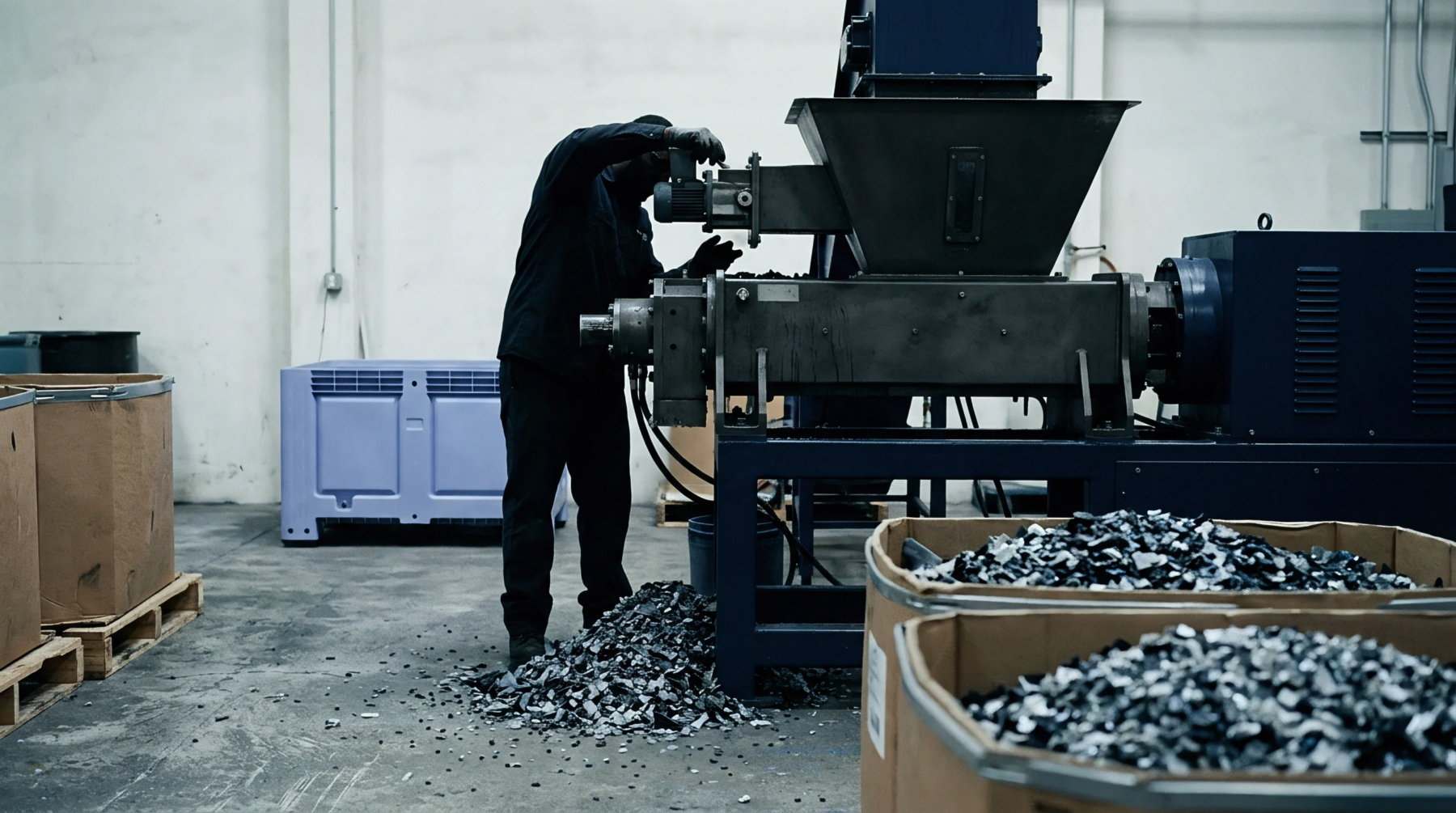
Regrind material undergoes repeated thermal cycles that deplete the natural resistance of the resin to this chemical breakdown. Each heating pass increases the concentration of peroxides, which then lowers the processing window of the material. Moulded components produced from highly oxidized recycled resin often show surface defects and brittle behavior under low stress.
Stabilization Strategy
Primary antioxidants terminate the radical cycle by donating hydrogen atoms to the propagating peroxy radicals. This intervention halts the degradation loop and preserves the mechanical integrity of the polymer during its useful lifetime.