Meaning
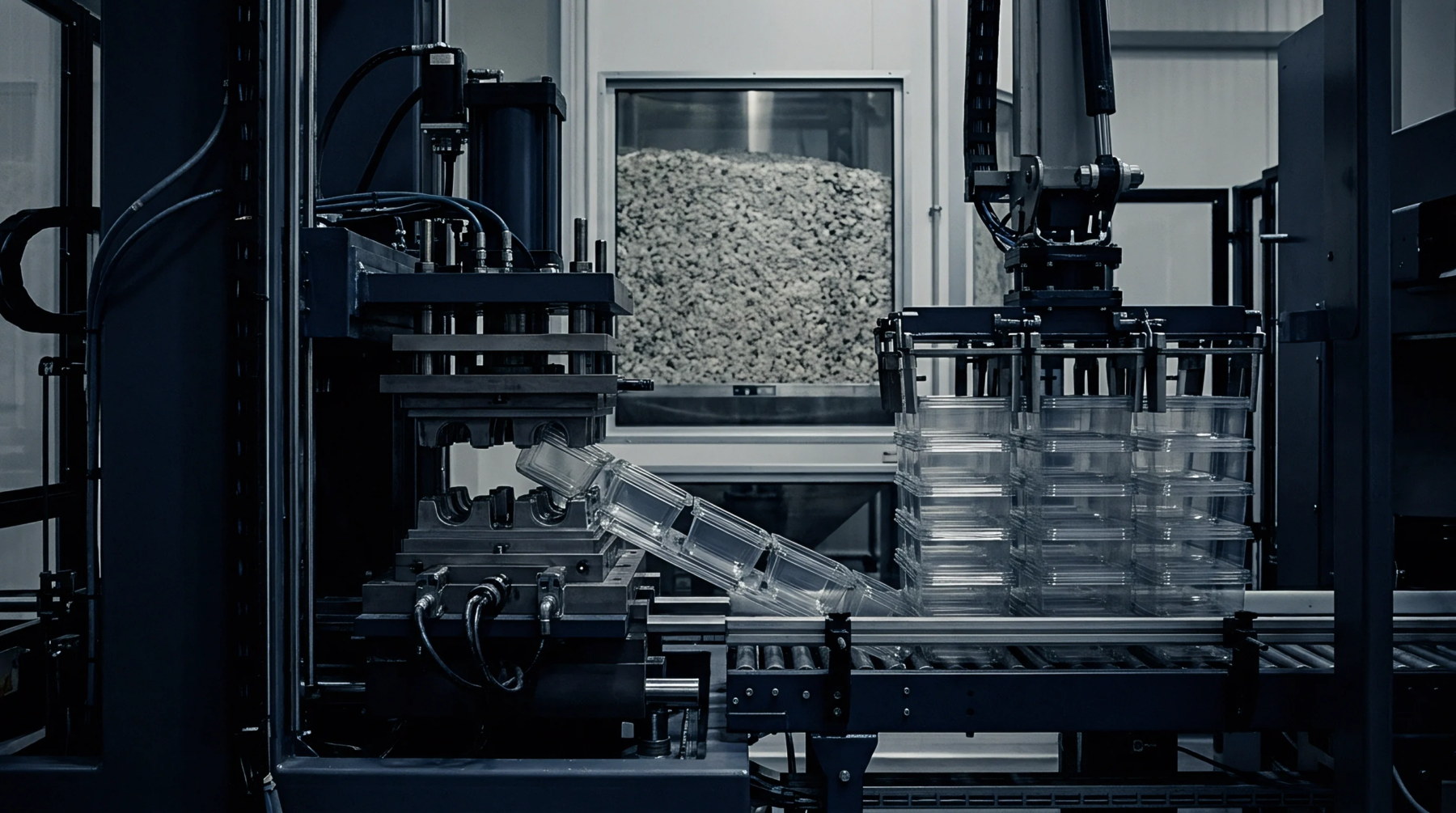
Surface degradation in injection moulding occurs when high pressure and heat cause localized bonding between the polymer melt and the metallic tool wall. Friction usually causes heat, but adhesive wear specifically describes the mechanism where material from the softer surface attaches to the harder surface during relative motion. In the context of polymer processing, this usually involves resin additives or the polymer chain itself sticking to the cavity surface.
Such transfer creates a build up that alters part dimensions and ruins the intended surface finish of the moulded product. The process stops when the surfaces are separated or when a lubricant layer effectively prevents direct molecular contact between the steel and the melt. High temperatures at the gate often trigger the initial bonding sites.
Bonding Mechanism
Shear forces generate local heat at the interface between the resin and the tool during the injection phase. When the temperature exceeds the thermal stability of the polymer, the chains break and form new chemical bonds with the iron atoms in the steel. Adhesive wear starts as a microscopic layer that thickens with every shot.
Because the metal surface is never perfectly smooth, the polymer anchors into the asperities. Once a layer is established, subsequent melt passes pull on the deposited material. This can eventually pull small fragments of tool steel away from the surface.
Small amounts of moisture in the resin can also trigger chemical reactions that strengthen this bond, making the choice of drying equipment a factor in preventing tool damage. This layer becomes more difficult to remove the longer it is allowed to bake onto the surface during continuous production cycles.
Surface Impact
A sudden increase in ejection force or cloudy patches on a polished part often indicates the results of this phenomenon. Unlike abrasive wear which thins the metal, adhesive wear often adds thickness in unwanted areas. It is particularly common with resins like polycarbonate or certain nylon grades that have high affinity for metal.
Using a physical vapor deposition coating often mitigates the risk by lowering the surface energy of the tool. Without such protection, the frequency of cleaning cycles must increase to maintain part quality. Polishing the steel to a mirror finish can sometimes make the problem worse by increasing the actual contact area between the polymer and the metal.
A matt finish often hides the initial signs of build up until the part starts to stick. This build up can become permanent if it is not removed before the next production run begins.
Production Cost
Choosing the wrong grade of tool steel or failing to specify a low friction coating leads to premature tool failure. The cost is not just in the repair of the cavity but in the lost machine time. When adhesive wear becomes a chronic issue, the scrap rate rises because the parts fail to meet visual specifications.
Regrind material can exacerbate the problem if it contains contaminants that increase the coefficient of friction. A stable process relies on the integrity of the interface between the resin and the steel. Maintenance must be proactive to prevent the initial bonding sites from forming.