Regulatory Status Discrepancies in Polymer Encapsulated Functional Additives
Encapsulated polymer additives require regulatory clearance based on both chemical identity and active release rates to avoid import rejections.
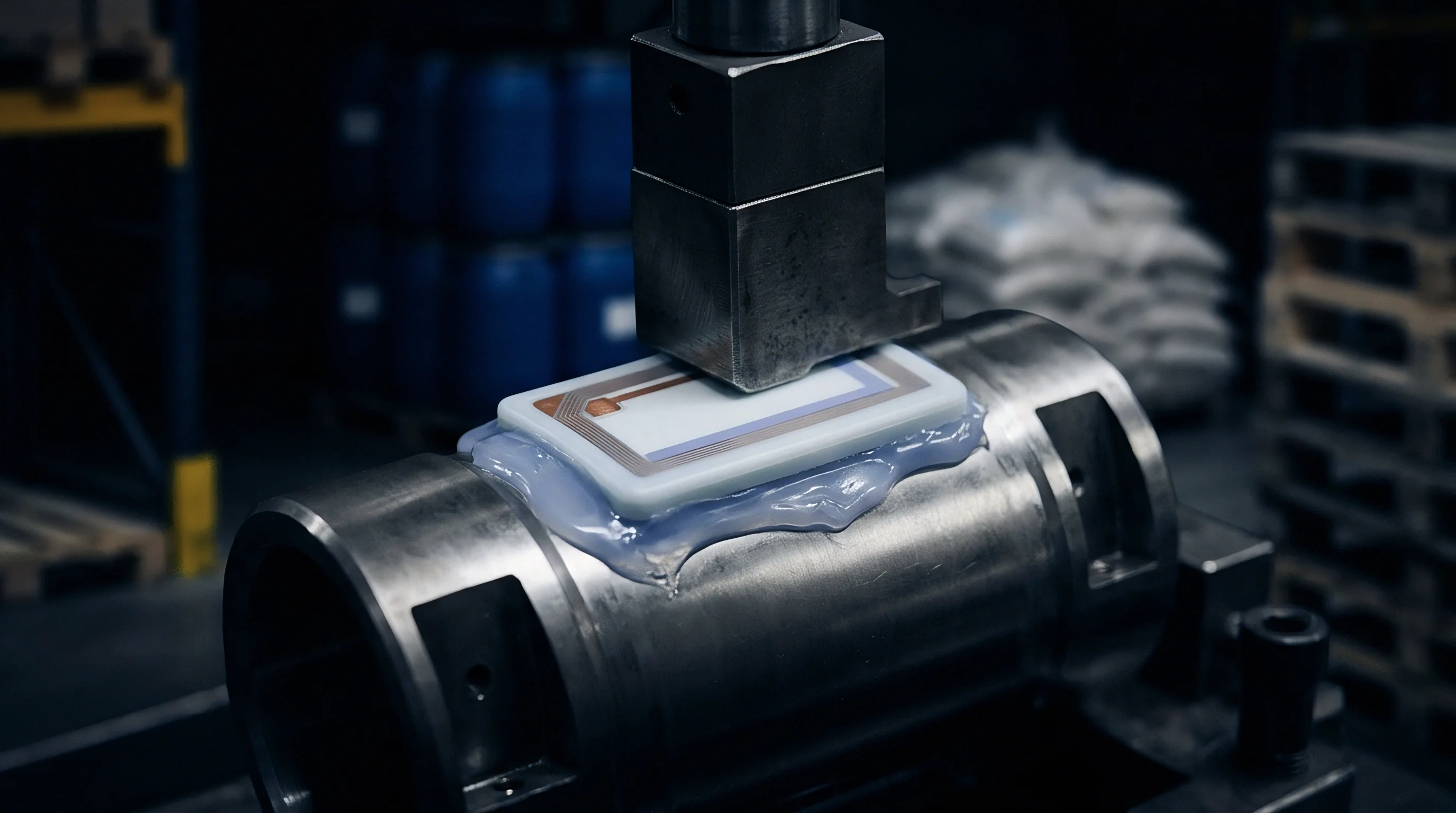

Shell
Functional additive encapsulation isolates reactive chemistries within physical shells to meter release rates, curb volatile organic compound emissions, or protect phase-change cores during high-temperature compounding. In the plant, these additives typically arrive as core-shell microcapsules, liquid-core polymer spheres, or inorganic matrix particles dispersed in carrier resin masterbatches. The working principle is simple: preserve the boundary between the active payload and the surrounding polymer until heat, shear, or moisture triggers release.
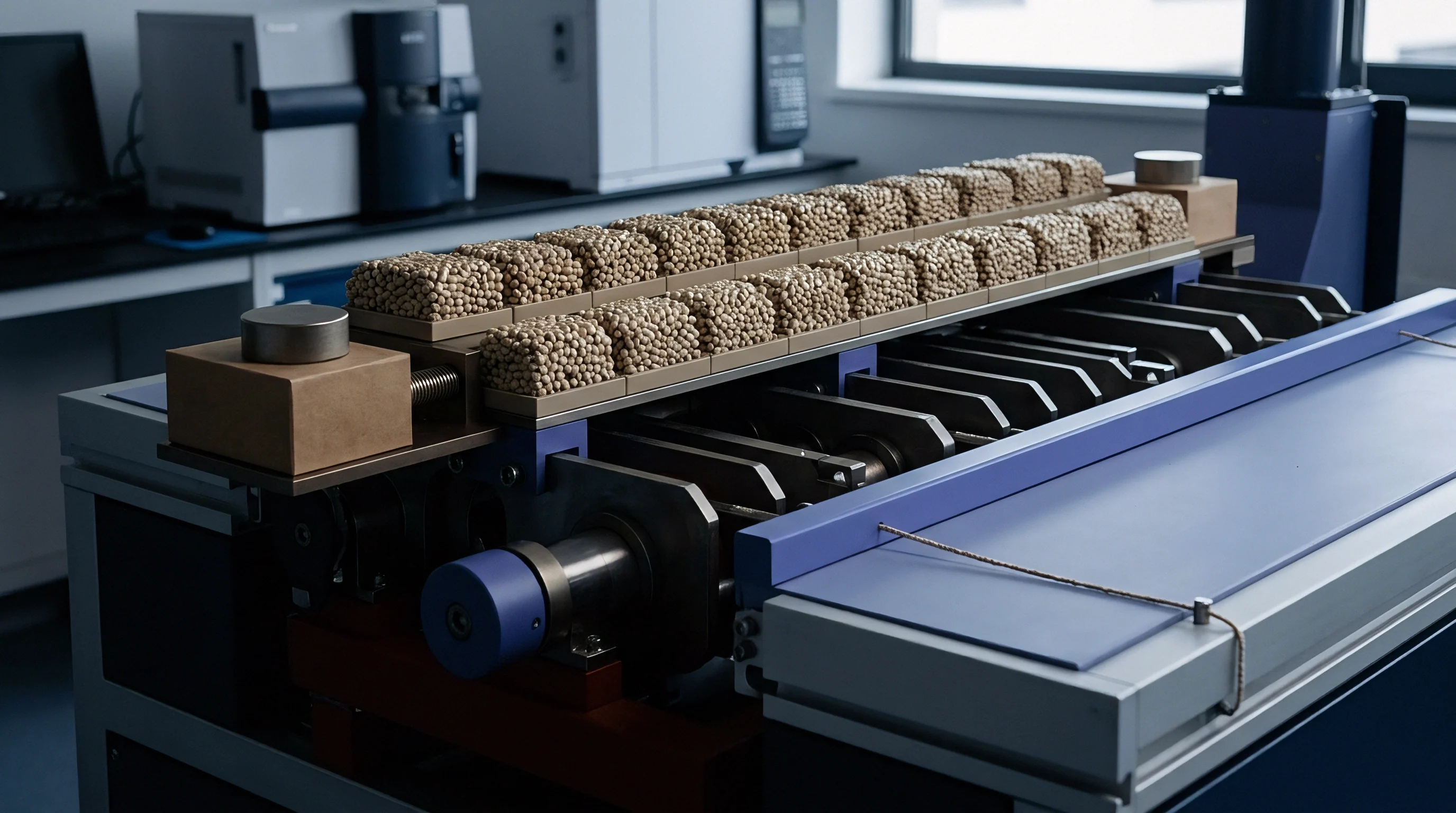
Physical Encapsulation Architectures and Core Payload Ratios
Microcapsule morphology governs both survival on the compounding line and chemical reporting requirements. A standard flame-retardant grade, for instance, encases ammonium polyphosphate cores in crosslinked polyurea or polyurethane shells. In a 40-tonne compounding run using a masterbatch loaded at 20 weight percent with a 70:30 core-to-shell mass ratio, the active core makes up 14 weight percent of the final compound and the synthetic shell accounts for 6 weight percent.
Core diameters average 15 to 25 µm, while shell walls measure between 0.3 and 0.8 µm under ISO 16700 field emission scanning electron microscopy.
A 30 weight percent shell payload of crosslinked polyurea degrades above 240 °C, increasing free core amine extraction by 4.2 percent under ISO 10993 testing.
Volumetric payload ratios hinge on the density difference between core and shell. When encapsulating paraffin wax (true density 0.88 g/cm³) within a melamine-formaldehyde shell (true density 1.50 g/cm³), the protective shell occupies more than 40 percent of capsule volume despite representing only 30 percent of total mass. That divergence shifts the specific gravity of the overall additive package and disrupts volumetric dosing during compounding.
When feeder calibrations fail to account for true density, let-down ratios drift and pull active chemical concentrations out of specification.

Polymer Outer Wall Integrity during Compound Masterbatch Pelleting
Pelletizing microencapsulated masterbatches into carrier resins demands tight temperature control to prevent premature wall fracture. During strand pelleting or underwater hot-face cutting, thermal gradients across the die face generate localized shear and thermal stress within the capsule walls. If melt temperatures rise above the glass transition of an acrylic wall or near the breakdown threshold of a urea-formaldehyde shell, the payload bleeds into the molten carrier before the pellet solidifies.
Capsules have to withstand both this initial pelleting step and subsequent injection molding or sheet extrusion.
Complete physical containment during pellet production is sometimes treated as grounds for regulatory exemption on the theory that the payload avoids exposure to air or extraction solvents, but physical containment alone does not change a substance’s underlying chemical classification.


Dualism
Chemical control regimes evaluate particulate materials under differing statutory definitions, creating persistent compliance friction for importers and compounders. Regulatory bodies classify chemicals by molecular structure, particle dimensions, physical state, and potential release pathways. Once an active substance sits inside a synthetic polymer envelope, agencies differ on whether to treat the finished capsule as a chemical mixture, an article, a polymer, or a restricted microplastic.

Registry Classification Friction across Major Regulatory Regimes
Under the United States Toxic Substances Control Act, the Environmental Protection Agency treats microencapsulated additives as chemical mixtures of core and shell polymers, provided no covalent bonds link the two. Both materials must be listed on the TSCA Inventory or covered by valid Pre-Manufacture Notifications. By contrast, the European Chemicals Agency evaluates capsules under REACH Regulation (EC) No 1907/2006 as either preparations or articles with intended release.
Under REACH Article 6, if the shell traps the payload completely with no intended release, registration requirements apply individually to the unreacted shell monomers and the core substance above the one-tonne annual threshold.
| Regulatory Jurisdiction | Statutory Classification Model | Registration Trigger Threshold | Microplastic Restriction Status | Substance Declaration Requirement |
|---|---|---|---|---|
| European Union (REACH / ECHA) | Chemical Mixture or Microplastic | 1.0 Tonne / Year per Component | Restricted under Annex XVII (EU 2023/2055) | Full listing of core substance, shell monomers, and residual catalysts |
| United States (US EPA TSCA) | Chemical Mixture | Any Commercial Import Volume | Exempt from microplastic definitions | TSCA Active Inventory status for both core chemical and shell polymer |
| China (MEE IECSC) | New Chemical Substance / Mixture | 1.0 Tonne / Year Threshold | Under Evaluation for Environmental Watchlist | IECSC inventory notification for core payload and polymer wall material |
| EU Food Contact (EC 10/2011) | Additive / Specific Migration Limit | 0.01 mg/kg Absolute Migration Limit | Regulated under functional barrier provisions | Positive List inclusion for core chemical and specific migration compliance |
The divide widened with the European Union’s REACH Annex XVII restriction on intentionally added synthetic polymer microparticles under Regulation (EU) 2023/2055. This rule covers synthetic particles under 5 mm used to encapsulate active substances unless the capsules are permanently bound into a solid polymer matrix during industrial end-use or pass OECD 301 biodegradability tests. Importers bringing encapsulated masterbatches into the EU must demonstrate that downstream compounding permanently locks the particles into the resin matrix; failure to document containment can halt commercial distribution.
Verifying compliance requires proving no loose particles are released during secondary cutting, trimming, or machining.

Intentionally Added Microplastics Restrictions under European REACH
Food contact uses face further constraints under Commission Regulation (EU) No 10/2011. Active packaging containing encapsulated antimicrobials or oxygen scavengers cannot rely on an outer polymer shell to bypass specific migration testing. If capsule walls rupture or show slight permeability, core constituents migrate into food simulants (3% acetic acid, 10% ethanol, or rectified olive oil) during standard 10-day tests at 40 °C under EN 1186.
If the active core is absent from the Annex I Positive List of authorized additives, the final packaging fails compliance even when the outer shell polymer holds full approval.
Substance registration under REACH Article 6 applies to the unencapsulated core compound whenever microcapsule wall permeability exceeds 0.1 percent by weight per year.
- Confirm inventory registration of the pure core compound across target country databases, including TSCA, IECSC, and REACH registries.
- Analyze the chemical composition of the encapsulating wall material to ensure all constituent monomers are listed on relevant regional inventory positive lists.
- Calculate total annual tonnage imports for both core chemical mass and shell polymer mass independently to determine regulatory registration trigger compliance.
- Perform analytical verification to demonstrate whether the product meets regional statutory definitions for microplastics, chemical mixtures, or finished articles.
Substance registration oversights between jurisdictions lead to port holds, mandatory destruction orders, and fines that often exceed the landed value of the resin shipment itself.


Migration
Processing heat and mechanical shear degrade microcapsule walls, often altering the finished compound’s regulatory standing. When compounding an encapsulated masterbatch into bulk polypropylene or high-density polyethylene, the physical survival of the shell decides whether the active payload remains contained or migrates into the host resin. Extruder shear that ruptures microcapsule walls releases core chemicals straight into the melt stream.
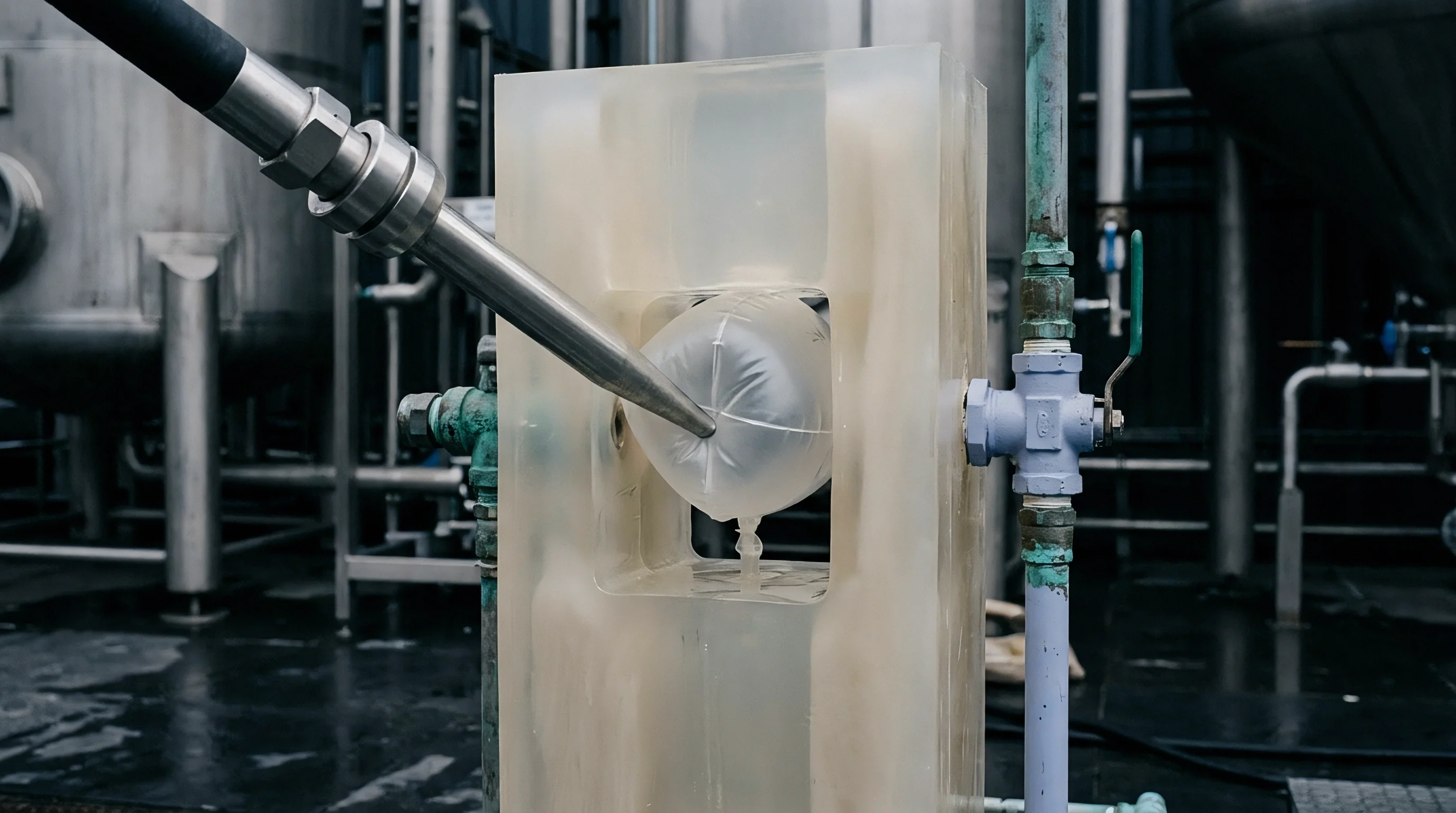
When Does Microencapsulation Alter Polymer Regulatory Identity?
Shifting from an intact core-shell morphology to a dispersed chemical system alters VOC profiles, extractables data, and the technical file of the molded part. In co-rotating twin-screw extruders operating at 40:1 L/D and screw speeds between 300 and 500 rpm, shear stress in the melting zone frequently exceeds 60 kPa. Under those loads, brittle crosslinked shells collapse and discharge liquid or low-melting payloads into the resin.
The liberated core acts as a plasticizer, shifting melt flow rates under ISO 1133 (for example, moving a PP matrix from 12 g/10 min to 18 g/10 min at 230 °C under a 2.16 kg load) and generating unreacted fragments that leach out over the part’s service life.
| Matrix Resin | Melt Processing Temp (°C) | Screw Shear Rate (s⁻¹) | Average Microcapsule Survival (%) | Free Payload Concentration (wt%) |
|---|---|---|---|---|
| Polypropylene Homopolymer (PP) | 200 – 230 | 350 – 450 | 94.5 | 0.55 |
| High Density Polyethylene (HDPE) | 190 – 210 | 300 – 400 | 96.8 | 0.32 |
| Polyamide 6 (PA6) | 240 – 270 | 500 – 650 | 72.1 | 2.79 |
| Polyethylene Terephthalate (PET) | 265 – 290 | 550 – 700 | 58.4 | 4.16 |
Diffusion kinetics dictate how rapidly freed core molecules migrate to the part surface. An intact capsule with an impermeable wall maintains an effective diffusion coefficient D of zero within the matrix. Once shear breaks the shell, the liberated payload diffuses according to Fickian principles.
A released organophosphate flame retardant in polyolefin resin typically displays a diffusion coefficient near 10⁻¹⁰ cm²/s at 23 °C. At that rate, the chemical migrates outward, causing surface blooming, fogging failures under ISO 6452 automotive criteria, and specific migration overruns in food contact testing.

Shear Stress and Thermal Degradation during Twin Screw Compounding
Thermal breakdown provides another route to non-compliance. Formulations designed for polyolefins often fail when run in engineering resins like Polyamide 6 or PET, where barrel temperatures run higher. Above 260 °C, polyurea shells undergo thermal depolymerization that liberates free aromatic or aliphatic isocyanates.
These degradation products cause VOC off-gassing and introduce unlisted chemical species into the polymer, voiding the safety declaration furnished with the masterbatch.
- Shear Induced Fracture occurs when extruder screw clearance generates local shear stresses exceeding the structural yield strength of the crosslinked microcapsule outer wall.
- Thermal Depolymerization breaks down protective polymeric walls when barrel temperature profiles exceed the ceiling thermal stability threshold of the shell formulation.
- Solvent Dissolution takes place when aggressive base resin additives or carrier waxes soften the microcapsule shell during early-stage melting zones in the extruder barrel.
- Interfacial Pinning Failure occurs when extreme surface tension mismatches between the shell polymer and the host matrix tear microcapsules during high-draw-down film blowing.
Analytical methods currently lack standardized reference protocols to distinguish whether trace payloads detected in finished parts stem from processing shear or gradual matrix aging.


Screening
Screening incoming microencapsulated masterbatch lots requires multi-step laboratory testing before material reaches compounding hoppers. Routine checks like melt flow rate or ISO 1183 density testing miss capsule rupture, core leakage, and off-ratio loadings. Compounders handling these systems rely instead on paired spectroscopic, thermal, and chromatographic methods to verify shell integrity lot by lot.

Spectroscopic and Thermal Analytical Protocols for Incoming Lots
Thermogravimetric Analysis coupled with Fourier Transform Infrared Spectroscopy (TGA-FTIR) serves as the primary check on capsule containment and thermal stability. Masterbatch pellets (20 mg) are heated under nitrogen at 10 °C/min from 30 °C to 600 °C under ISO 11357. Sound microcapsules display a two-step weight loss profile: a flat baseline up to shell degradation, followed by rapid volatilization of the core payload.
Any mass loss before that breakdown point indicates free, unencapsulated core chemical in the lot.
Differential Scanning Calorimetry provides quantitative checks for phase-change materials such as paraffin waxes. By recording latent heat of fusion (J/g) through heating and cooling cycles between -20 °C and 80 °C per ISO 11357-3, analysts verify active core content in delivered pellets. Enthalpy variations wider than 5 percent from specification flag wax degradation or dosing errors during masterbatch compounding.
Incoming batch acceptance relies on solvent extraction chromatograms matching baseline spectra before pellets pass into processing hoppers.

Quantitative Extraction and Chromatography Protocols
Solvent extraction paired with Gas Chromatography-Mass Spectrometry (GC-MS) isolates unencapsulated core from intact capsules. Pellets are washed in a non-swelling solvent, such as cold n-hexane or isopropanol, for 15 minutes at 20 °C. The wash is filtered through a 0.2 µm PTFE membrane and analyzed by GC-MS under EPA Method 8270. Intact microcapsules remain on the filter, while surface-accessible free core dissolves in the wash solvent.
Comparing peak areas against calibration curves yields the precise percentage of free payload across the pellet batch.
- Thermogravimetric Mass Loss Threshold requires that initial mass loss below 200 °C remains under 0.25 weight percent during TGA screening.
- Solvent Extractable Free Payload Fraction limits the unencapsulated core chemical extracted via cold solvent wash to a maximum of 1.0 percent of total payload mass.
- Laser Diffraction Particle Size Envelope specifies that 95 percent of recovered microcapsules fall within a tight 10 to 30 µm diameter distribution window.
- Differential Scanning Enthalpy Signature mandates that total latent heat capacity remains within plus or minus 3.0 Joules per gram of the reference target baseline.
Inserting standard quality specification clause ASTM D4703 Section 8 into the raw material purchase agreement legally shifts the financial burden of extractable free payload compliance verification onto the masterbatch compounder.


Clearance
Importing masterbatches with active chemical payloads exposes shipments to scrutiny under Harmonized System tariff schedules. Customs authorities audit polymer entries to establish whether declarations reflect raw plastics, prepared additives, or specialty chemical mixtures. Attempting to enter an encapsulated masterbatch under a lower-rate resin classification risks cargo holds, back duties, and antidumping assessments.

Customs Tariff Classification and Essential Character Valuation
Under the General Rules for Interpretation (GRI) of the Harmonized Tariff Schedule, composite goods containing two or more distinct components are classified by the element that confers their essential character. Importers often enter encapsulated masterbatches under HS Chapter 39 (such as HS 3901.20 for polyethylene or HS 3902.10 for polypropylene), where base duties run between 0 and 6.5 percent. Customs laboratories routinely reclassify these materials into HS Chapter 38 (specifically HS 3824.99), treating them as prepared chemical additives because the active core dictates the compound’s end-use function.
| Export Tariff Heading | Declared Product Description | Applied Customs Duty Rate (%) | Antidumping Risk Level | Landed Cost Impact per 10 Tonnes ($) |
|---|---|---|---|---|
| HS 3902.10.00 | Polypropylene Carrier Masterbatch | 6.5 | Low Risk | 47,925 |
| HS 3824.99.93 | Prepared Chemical Flame Retardant | 6.5 + 12.0 Supplemental Duty | Moderate Risk | 53,325 |
| HS 3824.99.97 | Microencapsulated Phase Change System | 6.5 + 48.2 Antidumping Duty | High Exposure | 69,615 |
| HS 3911.90.90 | Specialty Synthetic Polymer Shell Matrix | 6.5 | Under Audit Review | 47,925 |
| Calculations based on a 10-tonne reference lot at a baseline declared value of $4,500 per tonne delivered CIF port of entry. | ||||
The financial impact is substantial on a 10-tonne shipment of flame-retardant masterbatch billed at a CIF value of $4,500 per tonne ($45,000 total entry value). Entered under HS 3902.10 as polypropylene compound at a 6.5 percent tariff, duty totals $2,925, resulting in a landed cost of $47,925. If customs reclassifies the cargo under HS 3824.99.97 based on the active core, and that chemical falls under an active antidumping order carrying a 48.2 percent supplemental duty, the tariff liability climbs to $24,615.
Landed cost jumps from $47,925 to $69,615 for the 10-tonne lot, erasing operating margin on the project.

Landed Cost Impact of Anti Dumping Duty Lines
Defending essential character determinations requires granular cost and volume documentation. Clearance filings should detail the relative manufacturing expenses, volume shares, and mass fractions of the carrier resin, shell polymer, and active core substance. Omitting encapsulation specifics on entry summaries constitutes material misstatement under trade compliance rules, exposing the importer of record to penalties under US 19 USC 1592 or European Customs Code Article 198.
Customs authorities classify composite additives by their essential character rather than their external polymer shell material.
- Safety Data Sheet Component Breakdown requires complete chemical disclosure of active core CAS numbers, shell polymer composition, and carrier resin identity.
- Certificate of Analysis Core Payload Metric provides quantitative TGA and GC-MS test results verifying the exact core-to-shell ratio for the specific shipment lot.
- Substance Inventory Registration Proof confirms valid TSCA, REACH, or IECSC registration numbers for all declared core and shell constituents.
- Customs Tariff Classification Ruling Dossier contains binding advance tariff classification rulings issued by target country customs authorities for the exact compound formulation.
Compound buyers who classify microencapsulated additives under standard polyolefin resin tariff lines face eventual retroactive duty reclassifications upon customs analytical audit.


Dossier
Managing liability on encapsulated additives requires embedding chemical compliance terms directly into procurement contracts and material specifications. Relying on basic commercial invoices or generic certificates of analysis leaves resin buyers exposed to fines, customs detentions, and recall costs. A structured procurement package defines testing protocols, sets analytical thresholds, and assigns financial responsibility for undisclosed regulatory exposure.
Contractual Allocation of Chemical Compliance Risk
Raw material specifications (RMS) for microencapsulated masterbatches must demand full transparency regarding formulation and manufacturing consistency. Supply contracts should include explicit representations that all core materials and shell polymers comply with relevant national inventories, including TSCA, REACH, and IECSC. Agreements ought to require at least 180 days advance notice before a supplier modifies shell chemistry, core synthesis, particle size distribution, or carrier resin grade.
Unannounced shifts in crosslinking density or monomer balance compromise compounding performance and void existing food contact or microplastic exemptions.

Raw Material Specification Architecture
Purchase contracts should incorporate clear indemnity and hold-harmless provisions for regulatory failure. If delivered masterbatch lots trigger enforcement actions, border holds, or product recalls due to uncontained core chemicals, unregistered components, or microplastic violations, the terms should require the supplier to cover all direct and consequential damages. Recoverable costs should include landed inventory, ocean or air freight, outside laboratory fees, customs penalties, and plant downtime.
Requiring lot-level Certificates of Analysis with TGA curves, GC-MS extractable figures, and ISO 1133 melt flow data ensures verification occurs before material is tipped into production hoppers.