Analytical Detection Thresholds for Post Consumer Secondary Polyethylene Contaminants
Analytical verification of post-consumer polyethylene requires GC-MS screening down to 0.01 mg/kg polymer to ensure food-contact migration stays below 10 ppb.


Flake
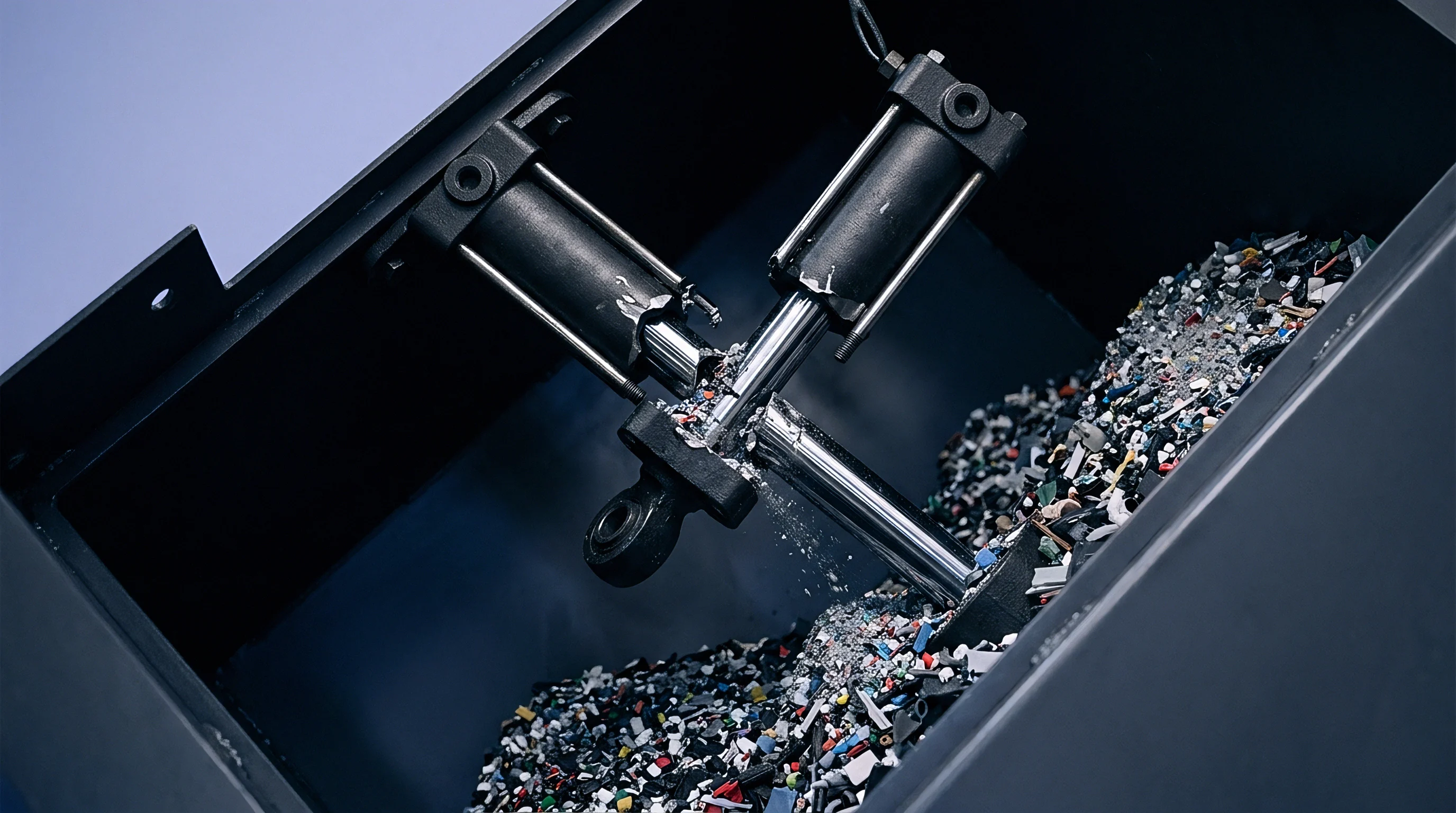
Secondary high-density polyethylene from consumer waste carries far more complex contamination than virgin polyolefins. In their first life, these containers hold agrochemicals, household detergents, fragrances, automotive fluids, and food. Because polyethylene has a relatively open amorphous structure and a low glass transition temperature (-120 °C), low-molecular-weight organic compounds diffuse deep into the bulk polymer instead of staying on the surface.
Secondary polyolefins retain heavy sorbate loads, with dissolved contaminants reaching equilibrium between the polymer matrix and external media according to their partition coefficients. Shredding post-consumer containers into small flakes expands the surface area available for hot aqueous washing with caustic detergents, which strips surface labels, adhesives, and water-soluble fats. Diffusivity in polyethylene is faster than in polypropylene.
As a result, absorbed hydrophobic molecules ~ including limonene, pinene, fragrance esters, synthetic antioxidant degradation products, and legacy additives like halogenated flame retardants ~ remain inside the bulk flake matrix even after thorough washing.
Post-consumer polyethylene absorbs organic volatile compounds deeper into its crystalline amorphous matrix than rigid polyamides or polyesters.
High chain mobility speeds up migrant transport. During melt reprocessing at 190 °C to 240 °C, thermal and oxidative stress degrades both the base polymer and its residual additives, generating aliphatic aldehydes, ketones, carboxylic acids, and unsaturated hydrocarbons ~ collectively classified as non-intentionally added substances. Vacuum devolatilization during compounding removes low-boiling species, but medium- and high-molecular-weight compounds remain trapped inside the pelletized resin, leaving downstream converters exposed to regulatory liability.
Washing steps remove surface contaminants while thermal extrusion vacuums strip internal volatiles down to non-detectable levels, even without third-party spectral validation.

Screening
Analytical workflows for post-consumer polyolefins divide volatile organic compounds, semi-volatile substances, and non-volatile residues into separate testing channels. Evaluating secondary polyethylene requires a tiered strategy that can tell intentional polymer additives apart from environmental pollutants and degradation fragments over wide concentration ranges.

Targeted Volatiles and Non-Targeted Screening
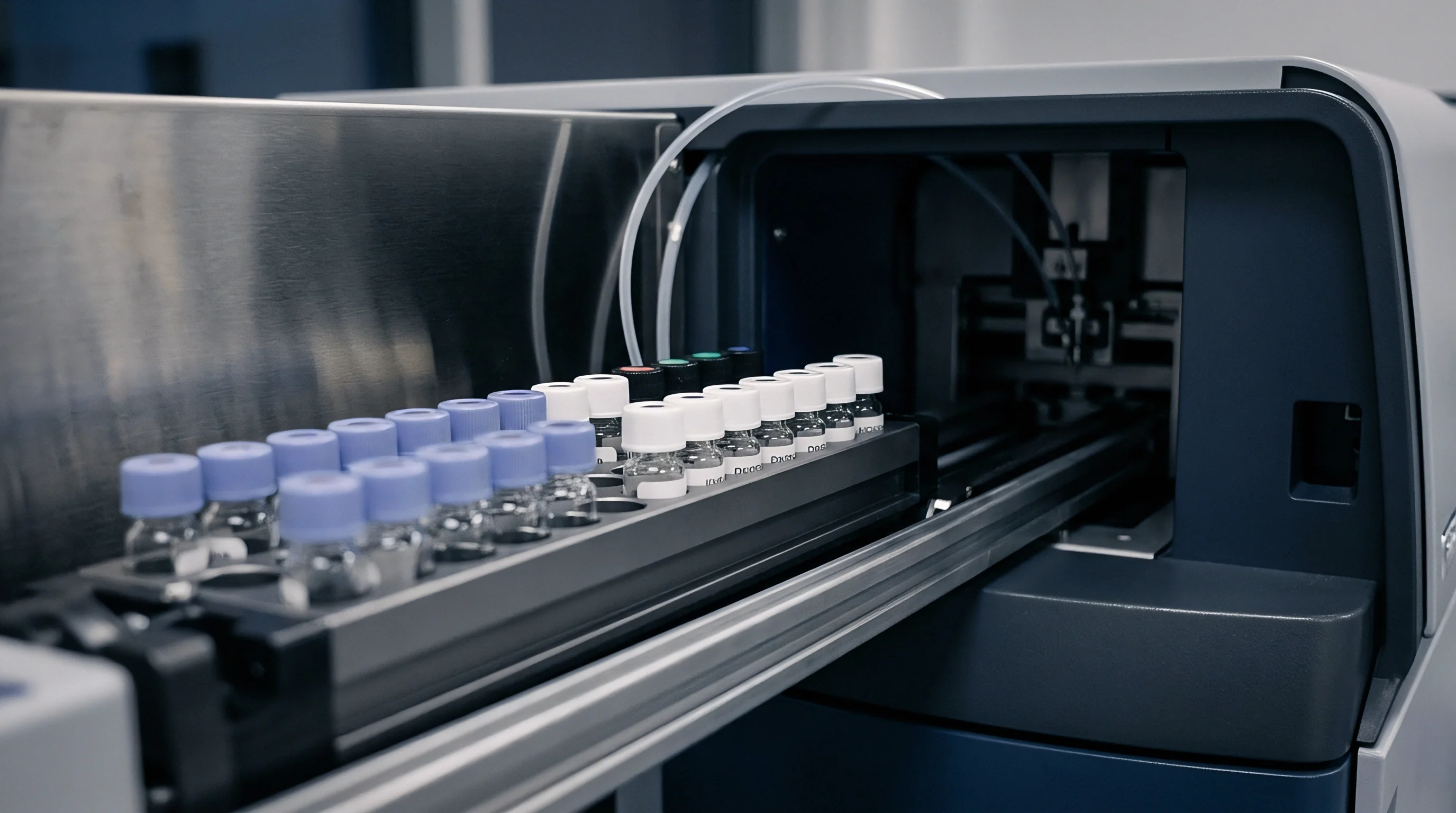
Gas-phase extraction isolates low-molecular-weight sorbates from the polyolefin matrix before chromatographic separation. Static headspace gas chromatography ~ mass spectrometry isolates volatile flavors, solvents, and light oxidation products. Dynamic headspace and thermal desorption methods concentrate trace migrants onto sorbent traps, driving detection limits for target compounds like limonene, alpha-pinene, and residual polymerization solvents down below one part per million.
Identifying unknown organic fragments relies on mass spectrometry. For semi-volatiles like plasticizers, UV stabilizers, and slip agents, liquid extraction with dichloromethane, hexane, or ethanol precedes gas or liquid chromatography. High-resolution accurate mass spectrometry with quadrupole time-of-flight analyzers allows non-targeted screening by matching exact molecular masses against chemical structure databases, though background oligomers can degrade signal clarity.
Headspace gas chromatography isolates light volatiles.
Headspace gas chromatography coupled with mass spectrometry achieves a limit of detection of 0.01 milligrams per kilogram for volatile aromatics in polyolefins at 120 degrees Celsius.

Limit of Detection Benchmarks across Instrumentation
Quantification limits vary sharply with mass analyzer resolution and sample injection temperatures. Each chemical class requires tailored preparation to avoid analyte loss or thermal degradation during injection. For heavy metals like lead, cadmium, mercury, and chromium, inductively coupled plasma mass spectrometry requires closed-vessel microwave acid digestion to measure residues at sub-milligram-per-kilogram levels.
| Analytical Technique | Target Contaminant Class | Preparation Protocol | Limit of Detection (mg/kg) | Limit of Quantification (mg/kg) |
|---|---|---|---|---|
| Headspace GC-MS (HS-GC-MS) | Volatile Aromatics, Monoterpenes, Solvents | Thermal equilibration at 120 °C for 45 min | 0.005 | 0.015 |
| Thermal Desorption GC-MS (TD-GC-MS) | Light Aldehydes, Alkanes (C6-C12) | Direct thermal desorption at 200 °C | 0.001 | 0.003 |
| Solvent Extraction GC-QTOF-MS | Organophosphates, Synthetic Antioxidants | Dichloromethane total immersion extraction (60 °C, 6 h) | 0.010 | 0.030 |
| Solvent Extraction LC-HRMS | Hindered Amine Light Stabilizers, Non-Volatile NIAS | Isopropanol/DCM extraction, reverse-phase LC | 0.020 | 0.050 |
| ICP-MS | Heavy Metals (Pb, Cd, Hg, Cr, As) | Closed-vessel microwave nitric acid digestion | 0.0005 | 0.001 |
Quantifying non-intentionally added substances requires surrogate standards when authentic standards are missing. Peak areas are evaluated against toluene, hexadecane, or dibutyl phthalate under the assumption of equal detector response factors ~ an assumption that can introduce up to a fourfold uncertainty for highly polar or easily ionized compounds in complex matrices.
- Volatile Sorbates ~ Flavor molecules like limonene and terpenes absorbed from food packaging cause organoleptic defects in secondary resins above 0.05 mg/kg.
- Industrial Contaminants ~ Solvents, lubricants, and cleaning agents from industrial use leave toxic volatile organic compounds that degrade resin purity.
- Legacy Additives ~ Restricted additives, including specific phthalate plasticizers and brominated flame retardants from earlier production cycles, trigger non-compliance under REACH Annex XVII.
- Polymer Degradation Products ~ Thermo-oxidative stress generates branched aliphatic aldehydes, ketones, and cyclic oligomers, creating baseline chromatographic humps that obscure trace analyte peaks.
Analytical laboratories still debate whether total ion chromatograms can accurately quantify unidentified branched alkanes against toluene response factors without underestimating toxicity.


Validation
Proving that recycled polyolefins are safe for food packaging requires challenge tests and mathematical diffusion modeling. Frameworks like EU Regulation 2022/1616 and US FDA guidelines set strict qualification pathways for processes handling post-consumer feedstocks.

Decontamination Efficiency and Challenge Test Protocols
Supercritical carbon dioxide extraction and high-vacuum thermal stripping are the main cleaning operations for recycled resin. Standard challenge tests spike virgin polyethylene flake with model surrogates covering a range of physicochemical properties before processing. Standard surrogates for polyolefin validation include toluene (volatile polar), chlorobenzene (volatile non-polar), phenylcyclohexane (non-volatile non-polar), methyl salicylate (polar ester), and benzophenone (non-volatile polar).
Supercritical carbon dioxide strips residual solutes.
Cleaning efficiency is measured by the logarithmic reduction factor achieved during processing. Surrogates are spiked into resin at concentrations between 100 mg/kg and 1000 mg/kg. After treatment, analytical testing measures residual surrogate levels to confirm the process hits regulatory performance thresholds.
- Surrogate Inoculation ~ Polyethylene flakes are immersed in a solvent mixture of five surrogates to distribute them evenly through the polymer matrix.
- Drying and Conditioning ~ The spiked flake dries under controlled ambient conditions to flash off surface solvent while keeping the absorbed surrogates inside the bulk polymer.
- Decontamination Processing ~ The material runs through the commercial recycling line at standard operating temperatures, vacuum pressures, and residence times.
- Residual Extraction Quantification ~ Treated pellets undergo total solvent extraction or dissolution followed by GC-MS analysis to measure remaining surrogate levels.
- Decontamination Efficiency Calculation ~ Testing labs calculate the logarithmic reduction for each surrogate to confirm compliance with EFSA or FDA safety criteria.

Migration Modeling and Toxicological Evaluation
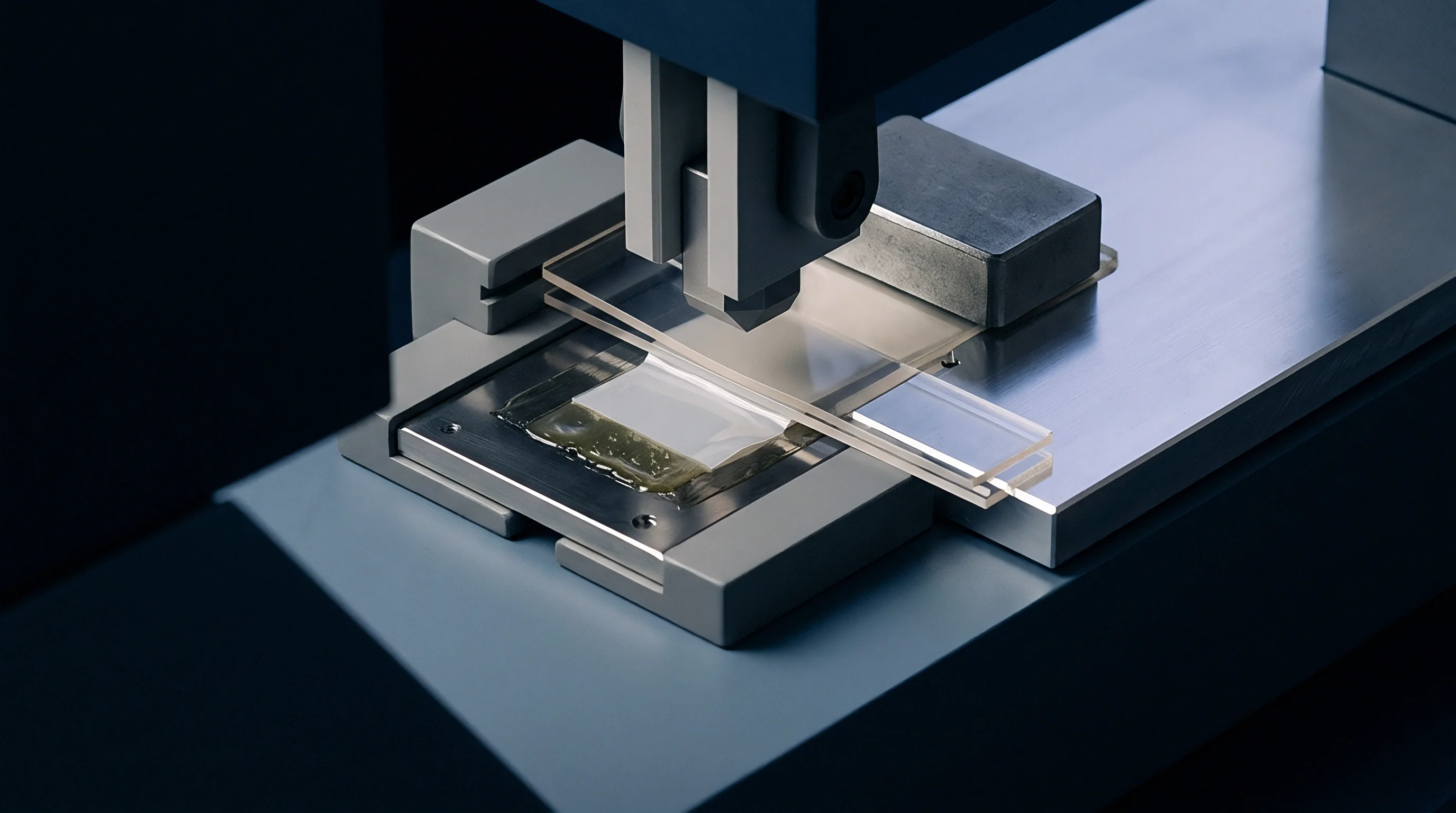
Fickian diffusion modeling estimates how residual contaminants migrate from container walls into liquid food simulants over shelf life. The model uses polymer-specific diffusion values, or AP parameters, to calculate conservative migration figures. Because polyethylene diffuses faster than polyethylene terephthalate, standard conservative models set the AP parameter at 14.5 for high-density polyethylene and 11.5 for low-density polyethylene.
Migration modeling assumes worst-case boundary conditions.
Take a typical packaging scenario: a high-density polyethylene container filled with an aqueous food simulant (10 percent ethanol), with a wall thickness of 0.5 millimeters and a surface-to-volume ratio of 6 square decimeters per kilogram of food. For 10 days of storage at 40 °C, the Piringer equation determines the maximum residual concentration of an unknown non-intentionally added substance allowed in the polymer matrix to keep migration below the 0.01 mg/kg (10 ppb) regulatory threshold.
Under these conditions, a contaminant with a molecular weight of 200 Daltons and an AP parameter of 14.5 at 40 °C gives a calculated diffusion coefficient of 1.2 x 10^-10 square centimeters per second. Solving the Fickian transport equation under total mass transfer assumptions caps the allowable residual concentration of that uncharacterized compound at 0.0025 mg/kg in the secondary polyethylene matrix. If lab testing finds an unknown compound above this level, high-resolution mass spectrometry is required to identify the structure and rule out mutagenic or carcinogenic alerts.
Standard supply agreements referencing EU Regulation 2022/1616 Annex II require reprocessors to guarantee surrogate reduction factors above 99.9 percent on every batch.
Uncertainty
Laboratory reports often present concentration values without explaining the statistical variance introduced during sample preparation. Measuring trace contaminants in post-consumer polyolefins involves multiple error sources that affect data reliability near enforcement limits.
Which Detection Limits Bind Decontamination Verification?
European regulators cap uncharacterized non-intentionally added substances in food at ten parts per billion. Standard calibration curves require matrix matching.
Translating this migration limit back into matrix concentrations for secondary polyethylene depends on polymer density, migrant molecular weight, and contact temperature. For high-diffusivity low-density polyethylene, the limit of quantification must reach sub-part-per-billion levels (0.001 mg/kg resin) to confirm compliance, pushing commercial screening methods to their operational limits.
Solvent choice determines extractable oligomer background interference during mass spectrometry calibration.

Matrix Suppression and Recovery Variances
High-density polyethylene oligomers co-extract alongside target analytes during liquid solvent extraction. Low-molecular-weight waxes from C12 to C35 dissolve easily in hexane, dichloromethane, or toluene. Injection into gas chromatography inlets causes these non-volatile oligomers to accumulate on liner surfaces, creating active sites that lead to peak tailing and signal drift.
In liquid chromatography ~ electrospray ionization mass spectrometry, co-eluting polyolefin oligomers cause matrix suppression, reducing the ionization efficiency of polar target migrants by up to 60 percent. Correcting for this requires adding isotopically labeled internal standards for every analyte class, which adds substantial cost to testing.
Extraction recoveries drop below sixty percent.
| Solvent System | Extraction Conditions | Polyethylene Oligomer Co-Extraction (mg/g) | Surrogate Recovery Range (%) | Measurement Uncertainty Factor |
|---|---|---|---|---|
| Dichloromethane (DCM) | Reflux, 40 °C, 6 h | 14.2 | 85 – 115 | 1.15 |
| Hexane / Acetone (1:1) | Sonication, 50 °C, 2 h | 8.6 | 72 – 108 | 1.22 |
| Ethanol (95 v/v%) | Total immersion, 60 °C, 24 h | 1.4 | 45 – 82 | 1.38 |
| Supercritical CO2 | 150 bar, 50 °C, 45 min | 0.3 | 90 – 105 | 1.08 |
Sampling methods introduce further variance when assessing commercial pellet lots. Post-consumer polyethylene varies from lot to lot and pellet to pellet depending on feedstock source. Taking a single 20-gram composite sample from a 20-tonne gaylord container without multi-point sampling risks misrepresenting contamination across the batch.
Improper sampling invalidates the migration model.
- Representative Sampling Protocol ~ Primary sampling requires taking increments from the top, middle, and bottom of multiple containers across a production batch.
- Cryogenic Cryo-Milling ~ Cryogenic grinding under liquid nitrogen turns composite pellet samples into fine powder, homogenizing particle size before solvent extraction.
- Solvent Selection Optimization ~ Solvent mixtures must balance high recovery of target migrants against minimal extraction of interfering matrix oligomers.
- Internal Standard Compensation ~ Adding isotopically labeled internal standards before extraction corrects for volumetric losses and ion suppression during mass spectrometry.
Analytical measurements that fail to correct for oligomer background interference produce falsely elevated baseline recovery estimates.
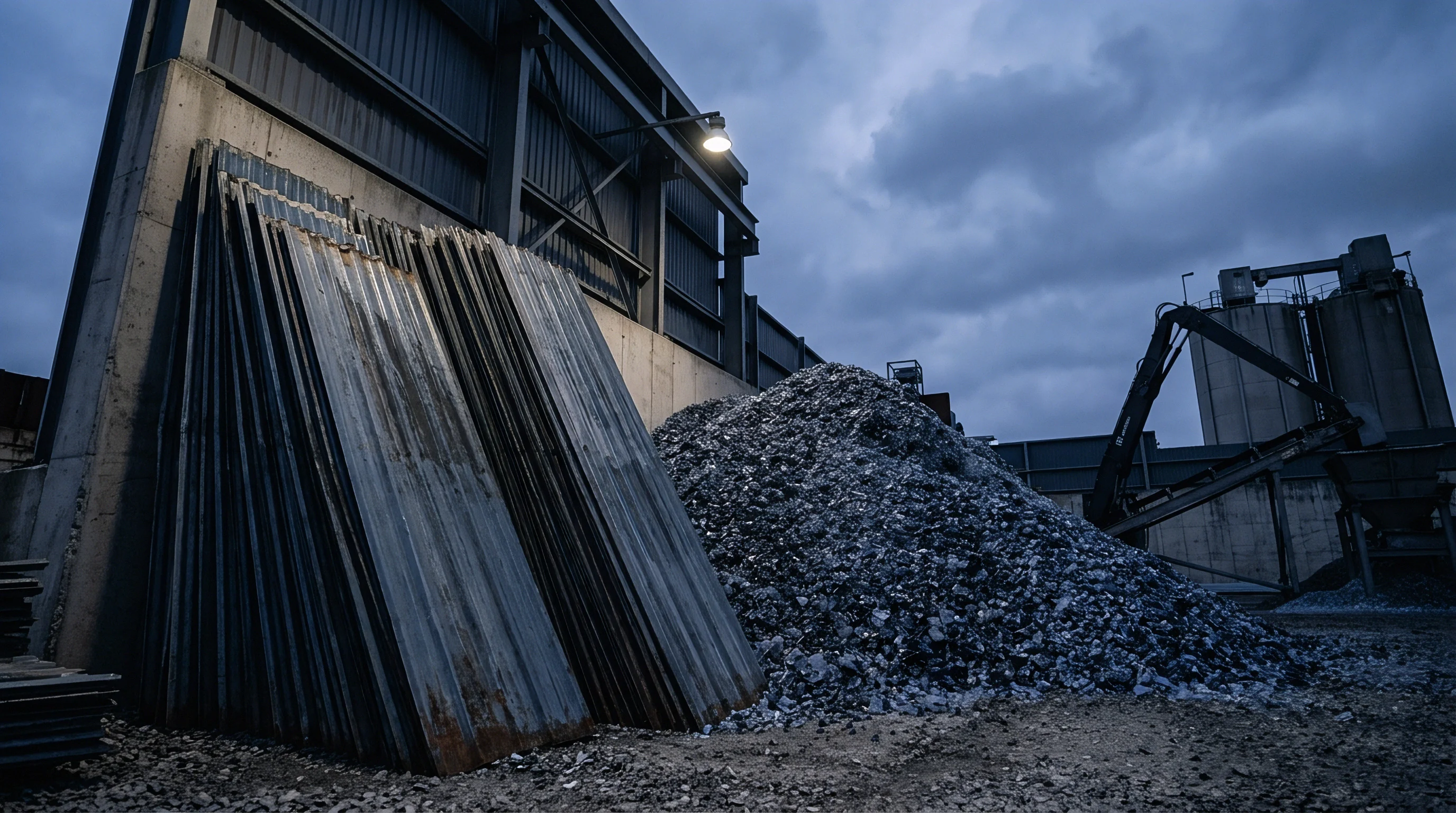

Sanction
Commercial contracts for recycled packaging resins assign strict financial liabilities when delivered lots fail destination food-contact testing. Converters incorporating secondary polyolefins into direct-contact packaging bear the full compliance burden under market surveillance enforcement.

Customs Rejection and Non-Compliance Penalties
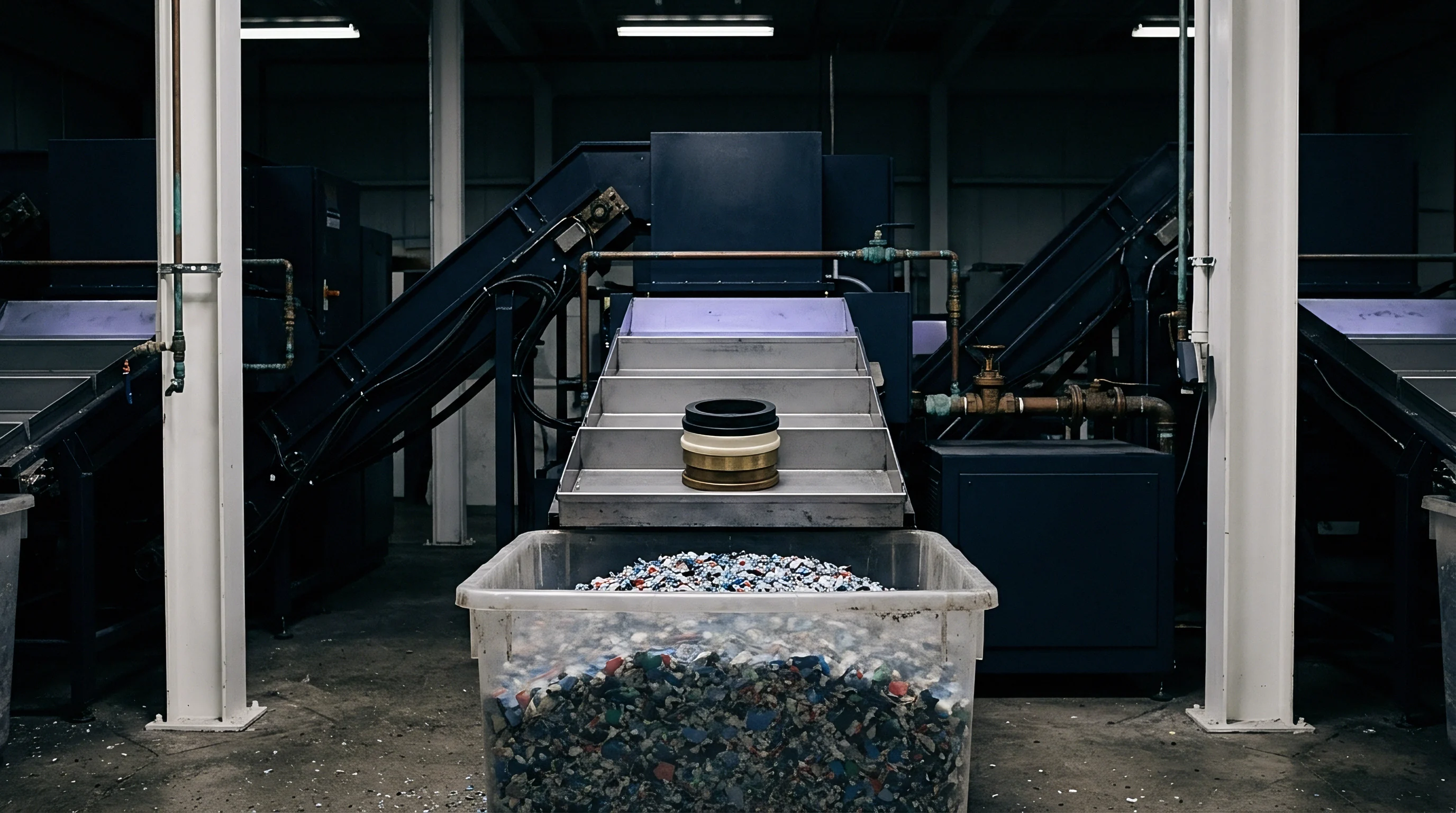
Border enforcement agencies run random compliance checks on imported polyolefin pellets destined for food contact. Testing screens for REACH substances of very high concern, restricted plasticizers, and heavy metal limits. If customs lab testing finds restricted substances above threshold levels, authorities flag the entire consignment for rejection.
Audit failures trigger immediate batch holds.
Importers face substantial immediate costs, including demurrage charges, laboratory re-testing fees, container re-export costs, or mandatory hazardous waste incineration. Reprocessors that issue flawed declarations of conformity face contractual default claims from converters whose production lines were halted by non-compliant resin.

Declaration Dossier Deficits at Import Audit
Compliance auditors reject documentation that relies on generic material safety data sheets rather than batch-specific migration data. EU rules require an unbroken chain of documentation tracing recycled materials back to a qualified decontamination process.
A compliant declaration of conformity for secondary polyethylene must detail the exact processing parameters used, verified decontamination reduction factors, and clear instructions on permitted end-use contact conditions ~ such as temperature limits, food types, and maximum shelf life. If an import audit reveals missing batch chromatography records or invalid migration modeling assumptions, authorities revoke market authorization for the packaging line.
Importers absorb full container rejection costs.
Placing non-compliant recycled polyethylene packaging on the European market triggers immediate product withdrawals, mandatory destruction of customs inventory, and administrative fines scaled to batch volume.