Meaning
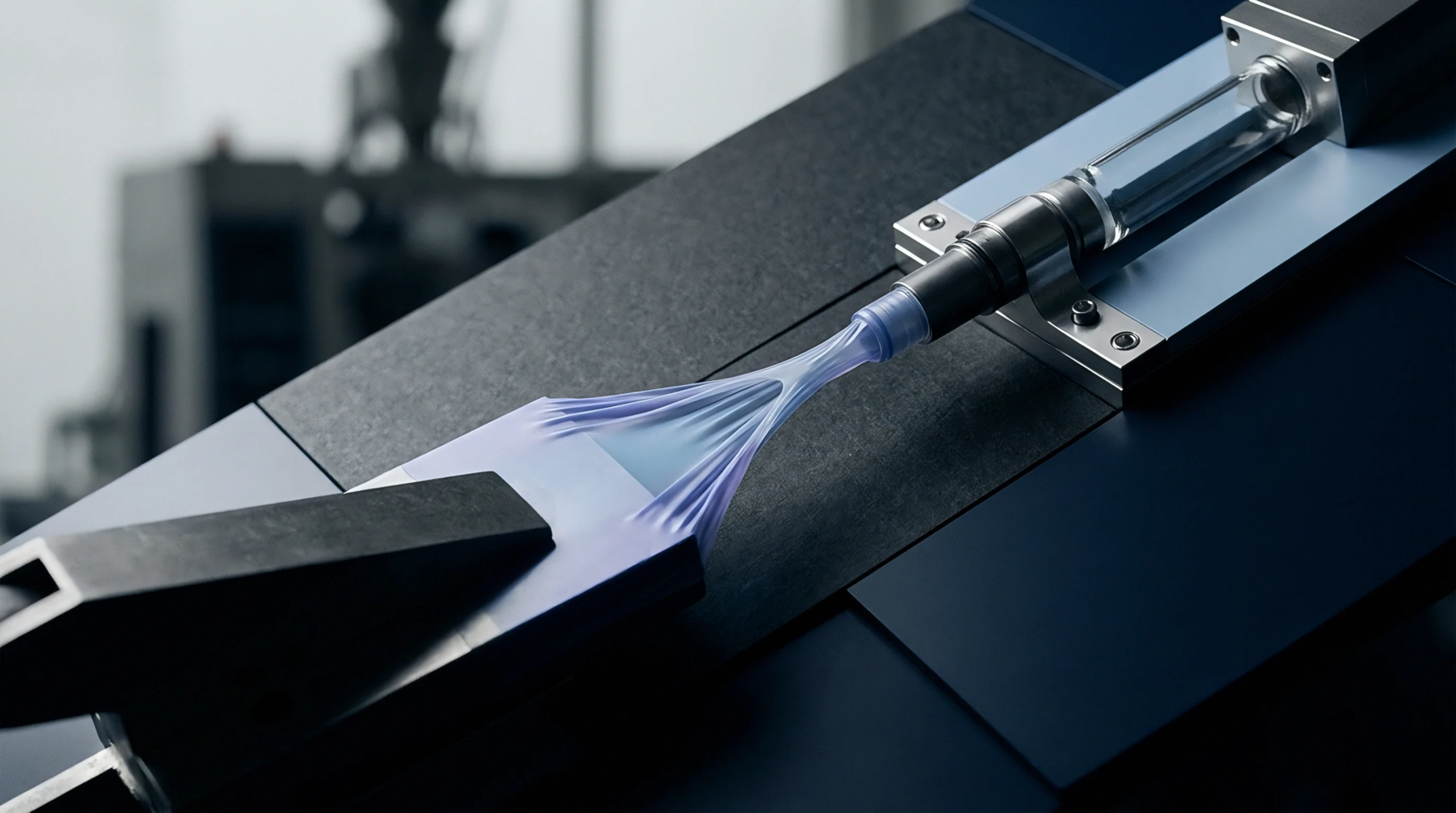
Suction force applied beneath a heated polymer sheet pulls the material into close contact with the mould surface during sheet forming. This pneumatically driven process, termed vacuum draw, relies on a pressure differential to shape the soft plastic sheet into the contours of the tool. It governs the replication of fine surface details and is limited by the maximum atmospheric pressure available.
Pressure Differential
Atmospheric pressure acts as the driving force that pushes the softened resin sheet against the mould. When the vacuum draw is activated, the air trapped between the sheet and the mould is evacuated, creating a low-pressure region. The higher atmospheric pressure on the exposed side of the sheet forces the plastic to conform to the mould geometry.
This method requires a well-designed venting system in the tool to ensure that air is removed rapidly and completely.
Processing Stage
Heating and sheet conditioning represent the critical steps before the suction phase can begin. The polymer sheet must be heated uniformly to its optimal forming temperature, where it is soft enough to stretch but retains enough melt strength to prevent sagging. Once the sheet is clamped over the mould, the vacuum draw is applied swiftly to shape the material before it cools against the metal.
This quick forming action is essential for maintaining uniform wall thickness across the entire part.
Moulding Challenge
Thinning and webbing often occur in deep-draw moulds where the plastic sheet must stretch over long distances. As the sheet is pulled into deep cavities, the material that touches the mould first cools and stops stretching, which forces the remaining warm areas to thin out. This unequal stretching can be mitigated by using a pneumatic helper plug to pre-stretch the sheet before applying the vacuum draw.
Ensuring that the mould temperature is controlled also prevents the plastic from cooling too quickly, which reduces the occurrence of thin corners and structural weak points in the formed tray.