Meaning
Environmental taxes applied to plastic packaging manufactured in or imported into the United Kingdom penalize items containing less than thirty percent recycled content. This uk ppt was introduced to encourage the use of recycled materials and to reduce the amount of virgin plastic entering the waste stream. The tax is charged at a flat rate per tonne of plastic packaging that does not meet the recycled content threshold.
It applies to all businesses that produce or import more than ten tonnes of packaging in a twelve month period. This include both empty packaging and packaging that is already filled with goods. Companies must register with the tax authorities and maintain detailed records to prove the recycled content of their products.
This fiscal measure is a key part of the national strategy for a circular economy.
Tax Liability
The responsibility for paying the uk ppt lies with the manufacturer for goods produced in the United Kingdom or with the importer for goods brought into the country. To calculate the tax, a company must determine the total weight of all plastic packaging components and subtract the weight of those containing at least thirty percent recycled material. Recycled plastic can be either post consumer or industrial scrap, provided it meets the definition set out in the law.
Bio based plastics and compostable plastics are still subject to the tax unless they contain the required amount of recycled content. Exported packaging can be exempt from the tax, provided the correct documentation is maintained. The tax represents a direct increase in the cost of using virgin plastic for packaging.
Documentation Duty
Proving that a packaging component meets the recycled content threshold requires a robust system of record keeping and evidence. The uk ppt rules demand that businesses hold product specifications and invoices that clearly state the amount of recycled plastic used. This evidence often comes from the resin supplier in the form of a certificate or a declaration of compliance.
For imported goods, the importer must obtain this information from their foreign suppliers, which can be a significant administrative challenge. Authorities may conduct audits to verify the accuracy of the tax returns and the validity of the recycled content claims. If a company cannot provide sufficient evidence, the packaging is assumed to be made of virgin plastic and the tax is applied.
This places a high burden of proof on the business.
Sourcing Impact
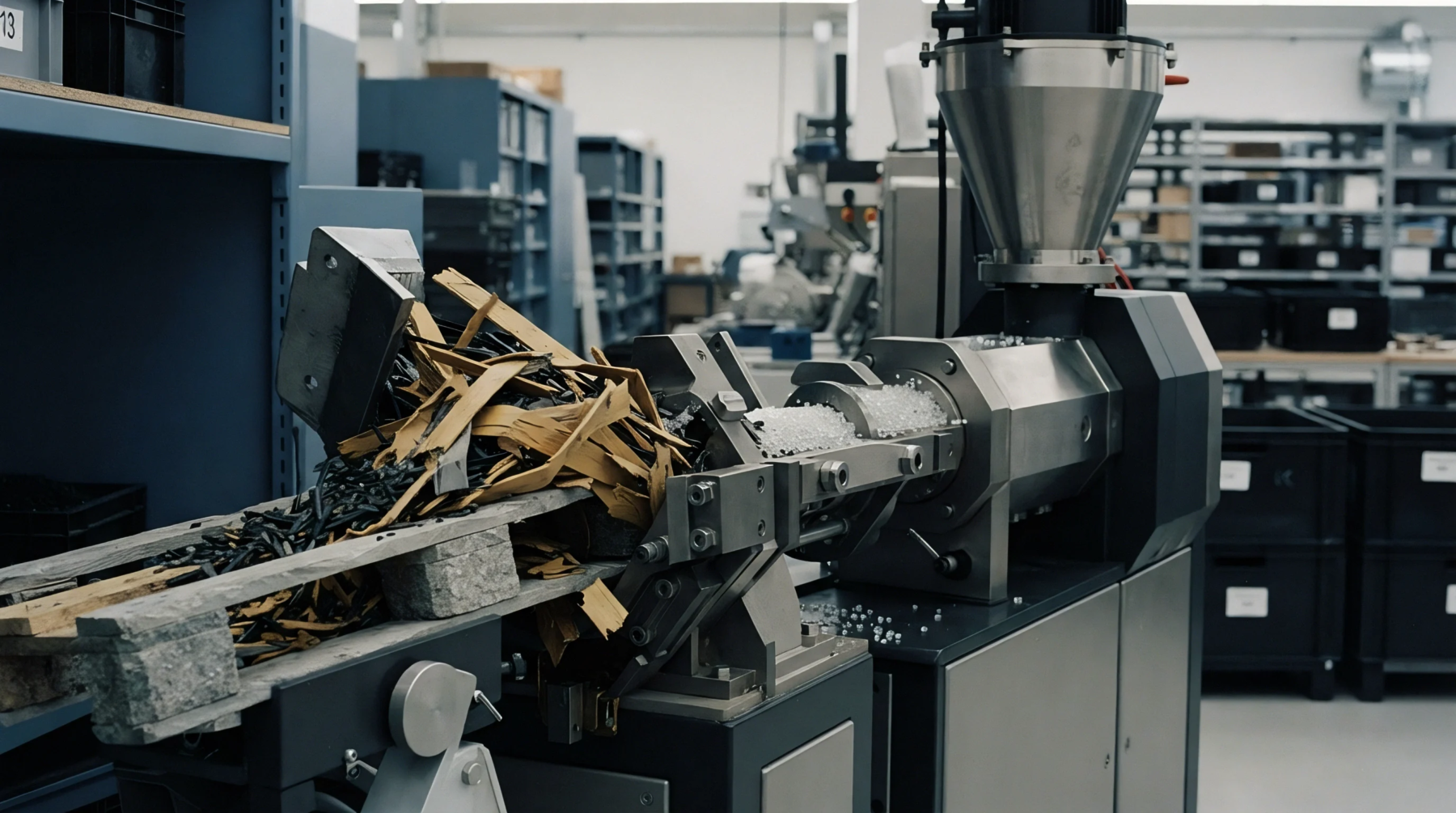
The introduction of the tax has shifted the sourcing strategies of many packaging producers and brand owners. There is now a strong financial incentive to find reliable sources of recycled resin that can be easily verified. This has increased the competition for high quality recycled material, leading to higher prices in the recycling market.
Some moulders are also looking for ways to redesign their products to use less plastic or to switch to non plastic alternatives. The uk ppt has also encouraged investment in new recycling technologies, such as chemical recycling, which can produce high purity resin from difficult waste streams. As the tax rate is expected to increase over time, the pressure to use recycled content will only grow.
This policy is successfully driving a change in the way plastic is viewed and managed in the packaging industry.