Meaning
Financial evaluations of the cost impact of material waste generated during the trimming and die-cutting steps of sheet extrusion or thermoforming affect the overall profitability of the manufacturing run. Trim scrap economics dictating the balance between material utilization and regrind reintroduction are central to competitive product pricing. Scrap rates can exceed thirty percent in complex thermoforming layouts, making efficient recovery essential.
Material Recovery
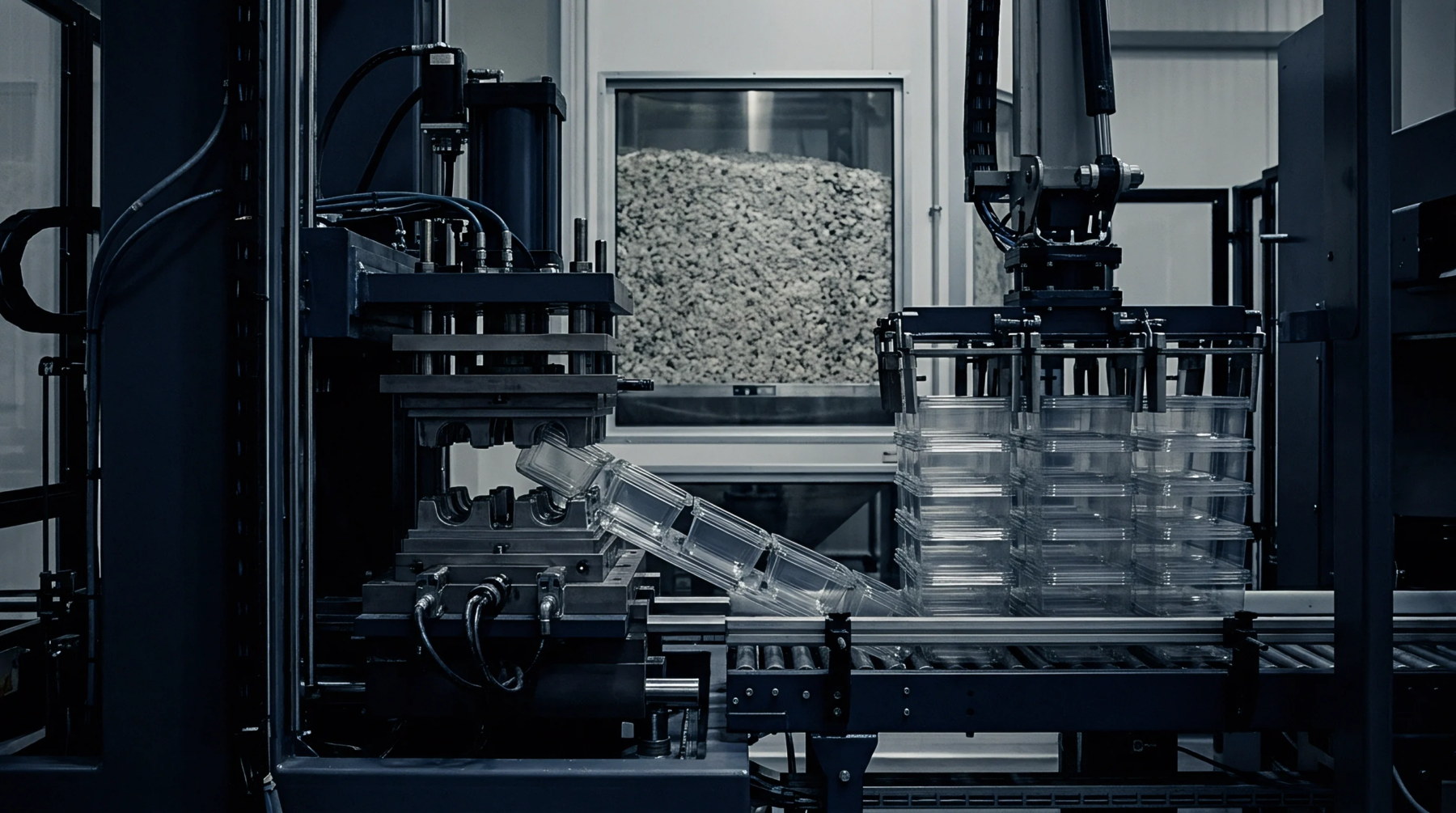
On-line granulators and scrap recovery systems allow the immediate reprocessing of trim scrap back into the extrusion process. This closed-loop recovery reduces the need for virgin resin and lowers the direct material cost per part. However, the ratio of regrind must be controlled to prevent degradation of the mechanical properties.
Process Degrade
Successive heat cycles during reprocessing can cause thermal degradation of the polymer, leading to reduced melt strength and discolouration. Sourcing high-quality thermal stabilizers can help mitigate this effect, but adds to the material formulation cost. Finding the optimal regrind ratio is a continuous challenge for process engineers.
Financial Return
Cost savings from using recycled trim scrap must be balanced against the capital investment required for recycling equipment and the risk of producing non-compliant parts. In high-precision applications, the use of regrind is limited by customer specifications or regulatory restrictions, particularly for food-contact packaging. When regrind cannot be used internally, it must be sold as low-value regrind to external markets, significantly reducing the economic return of the production line.