Meaning
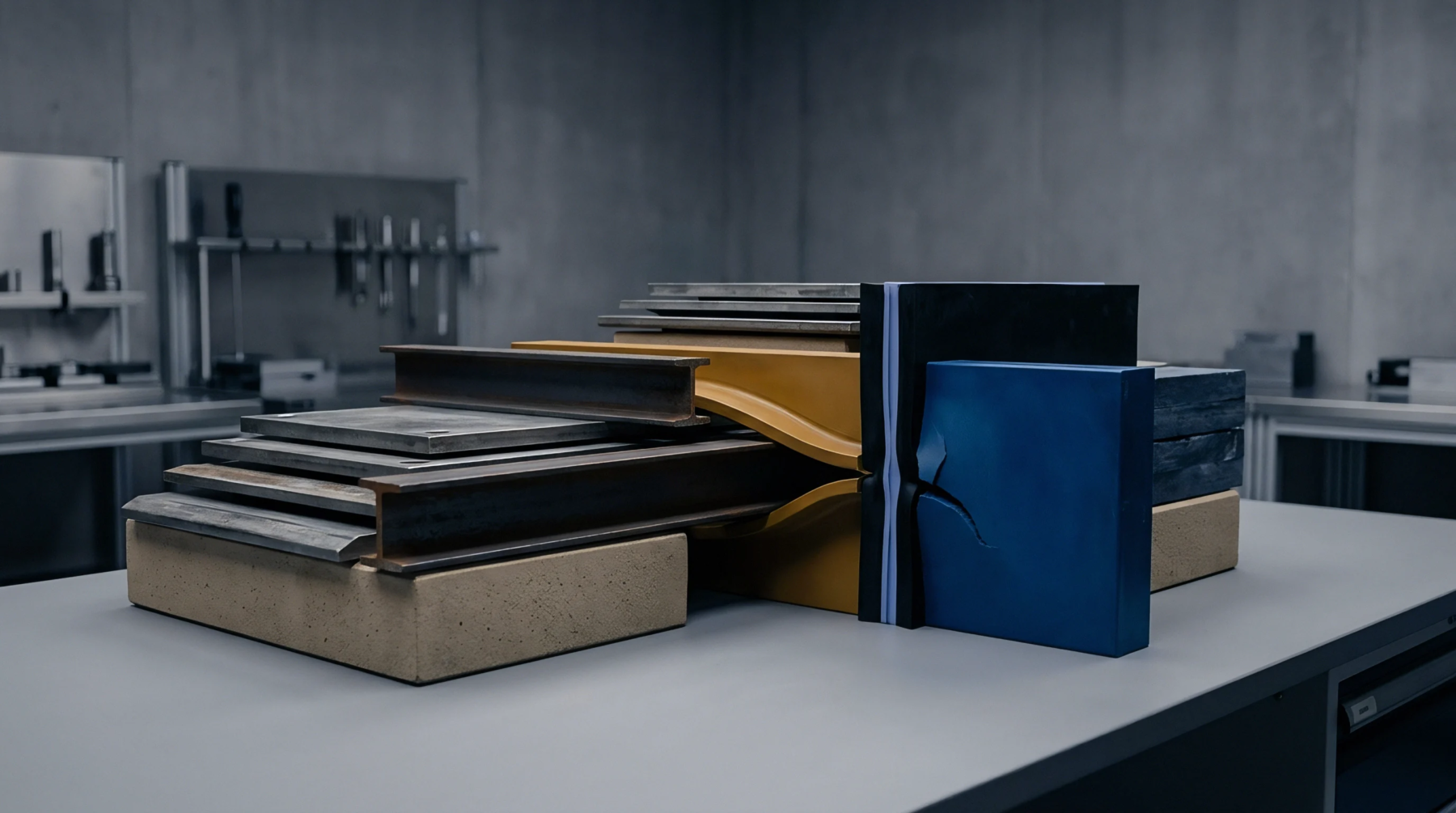
Hardened metal blocks fit into softer mould bases to provide superior wear resistance in high pressure or abrasive environments. The use of tool steel inserts is a standard practice in the construction of moulds for injection and blow moulding. These components are placed in areas that see the most contact with the molten plastic.
Hardness Specification
Steels such as P20 or H13 are selected and heat treated to specific levels on the Rockwell C scale. This hardness allows the tool steel inserts to resist deformation and erosion caused by glass filled resins or high injection speeds. Selecting the right grade of steel is essential for matching the durability of the insert to the expected life of the production program.
Production Longevity
Large scale manufacturing requires tooling that can produce millions of parts without a loss of precision. Because tool steel inserts are much tougher than the surrounding aluminum or prehardened steel mould base, they protect the critical dimensions of the part. They can also be refurbished or replaced when they eventually show signs of wear, preserving the expensive main mould structure.
Machining Precision
Creating these components involves advanced milling and grinding techniques to achieve extremely tight tolerances. The tool steel inserts must fit perfectly into the mould pocket to prevent the plastic from leaking into the gaps and causing flash. High precision fits also ensure that the cooling channels align correctly across the different sections of the tool.
Thermal expansion must be factored into the design, as the insert and the mould base may expand at different rates when they reach operating temperature. Careful calculation of these clearances is necessary to prevent the tool from seizing or developing gaps during the production run.