Meaning
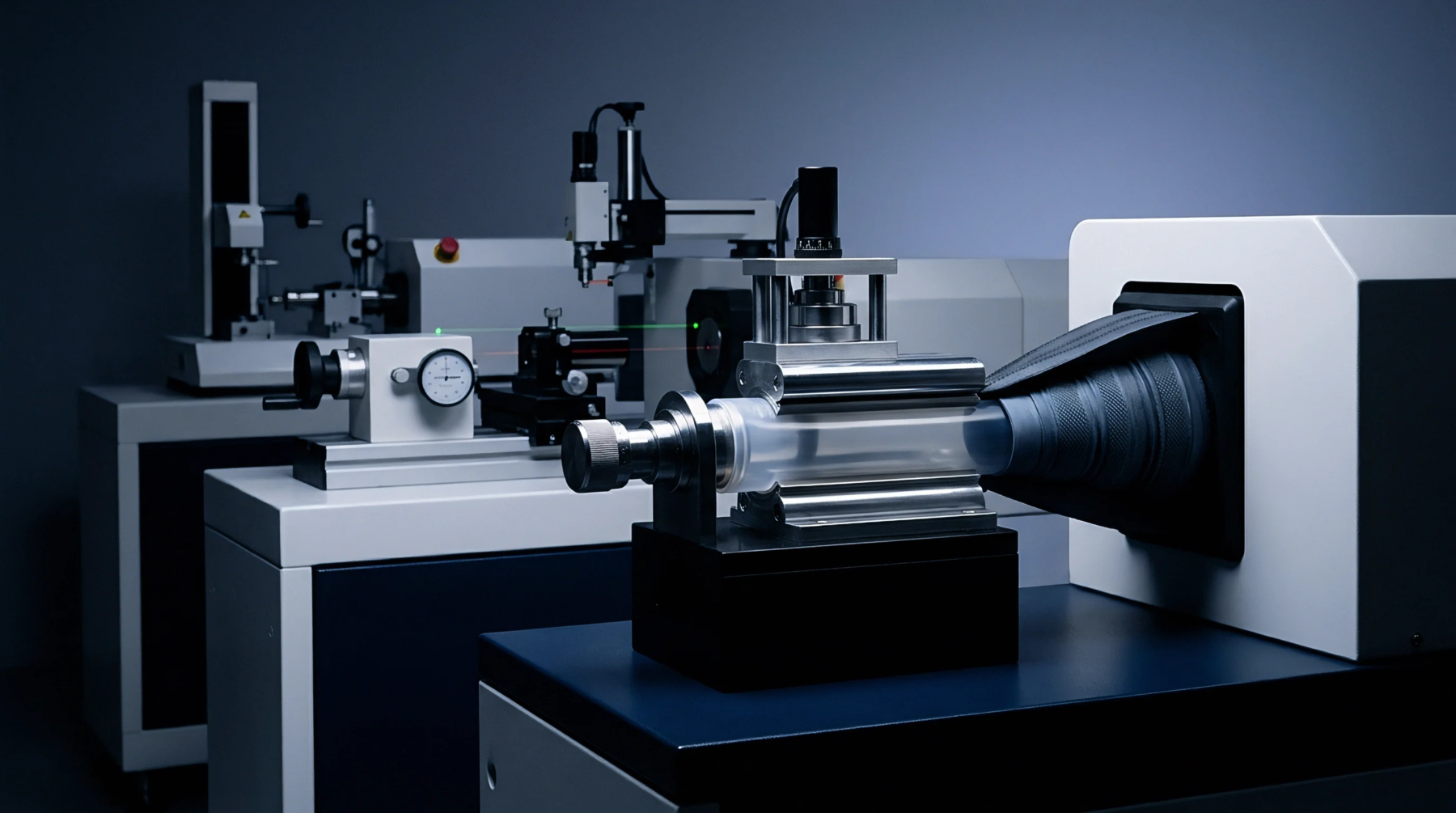
Hard single-crystal corundum components compared to standard hardened tool steels offer exceptional thermal conductivity and optical transparency within injection moulding cavities. A sapphire tooling insert allows direct optical imaging or spectroscopic access into the mould cavity while withstanding extreme cavity pressures and abrasive resin flow. Abrasive glass-filled compounds quickly wear conventional tool steels, whereas monocrystalline sapphire maintains edge sharpness and polished surface finishes over extended production runs.
High material costs and susceptibility to brittle fracture under mechanical shock restrict these inserts to specialized diagnostic or precision micro-moulding applications.
Wear Resistance
Extreme hardness values prevent surface degradation when processing highly filled abrasive resins. Incorporating a sapphire tooling insert extends mould cavity lifespan, maintaining tight part tolerances over long moulding cycles.
Optical Diagnosis
High optical transparency permits laser sensors to monitor melt front velocity and resin solidification inside the mold cavity. Thermal imaging through a sapphire tooling insert provides real-time wall heat transfer measurements during injection phase packing.
Thermal Management
Elevated thermal conductivity facilitates rapid heat extraction from narrow core pins or thin wall sections. Mould designs utilizing sapphire tooling insert components achieve reduced cycle times by eliminating localized thermal hot spots. Mechanical mounting requires careful clamping design to prevent brittle cracking under high injection clamping forces.
Precise seating tolerances protect transparent inserts from bending loads during high-pressure injection cycles.