Meaning
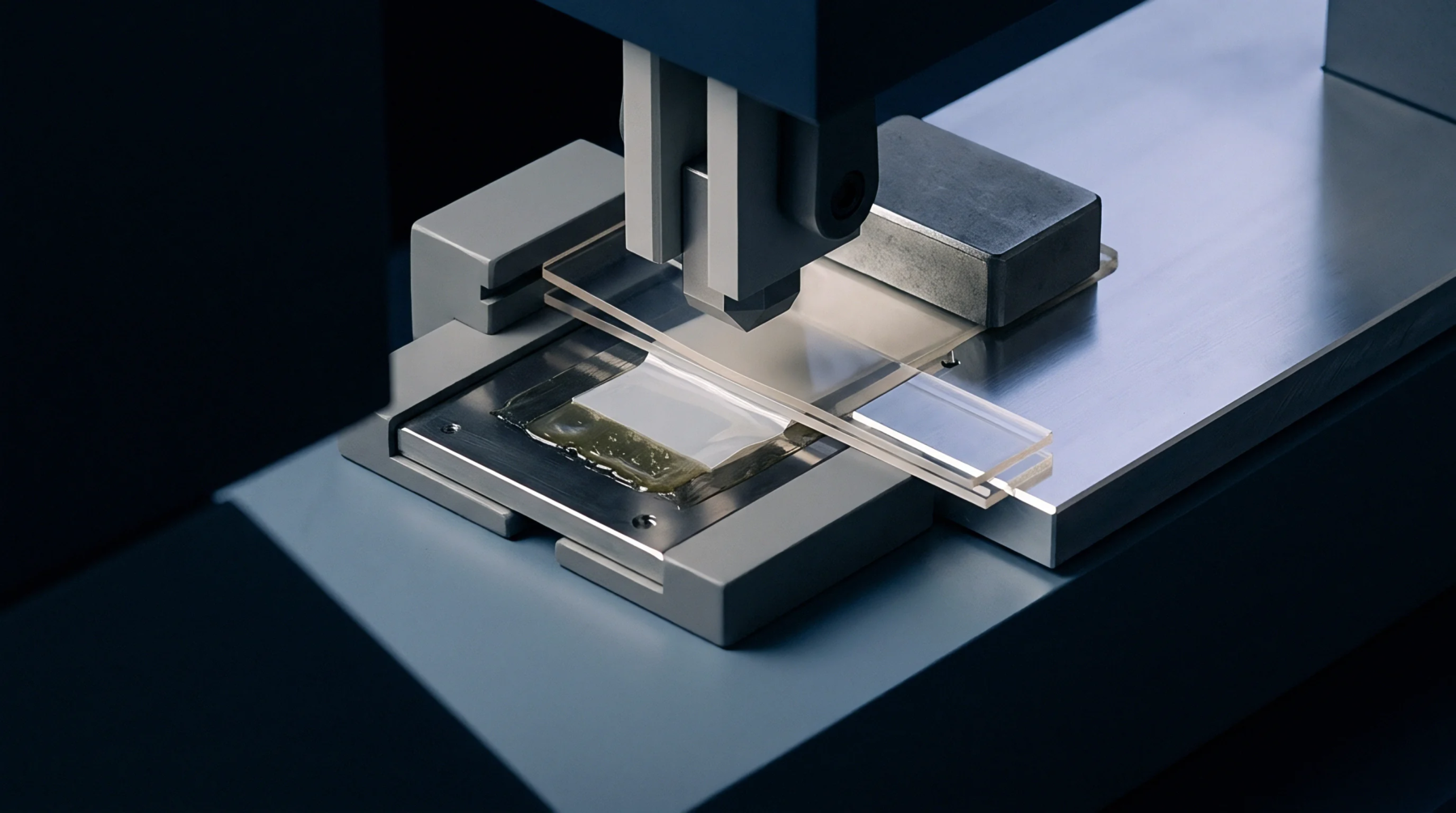
Heated chambers in laboratory characterisation instruments house the polymer sample and maintain it at a precise temperature prior to flow testing. The cylinder known as the rheometer barrel holds the polymer granules or powder while a piston forces the melted material through the die.
Thermal Uniformity
Thermal uniformity within the chamber is critical to ensure that the entire polymer sample reaches a homogeneous molten state before extrusion begins. A high-quality rheometer barrel contains multiple heating zones to prevent thermal gradients along its length. Temperature fluctuations would lead to inconsistent viscosity readings and ruin the test.
Pressure Containment
Pressure containment is a primary requirement when testing high-viscosity resins at high shear rates. The robust construction of the rheometer barrel prevents any expansion under the immense force generated by the piston, which would otherwise introduce volume measurement errors. Furthermore, the inner wall of the barrel must resist wear from abrasive fillers such as glass fibers or mineral powders to ensure long-term precision.
Melt Preparation
Cleaning the internal bore of the cylinder between tests is necessary to prevent contamination and degradation of subsequent samples. A scratched or dirty rheometer barrel increases friction against the piston, leading to artificial pressure spikes. Regular maintenance maintains the accuracy of the instrument.