Meaning
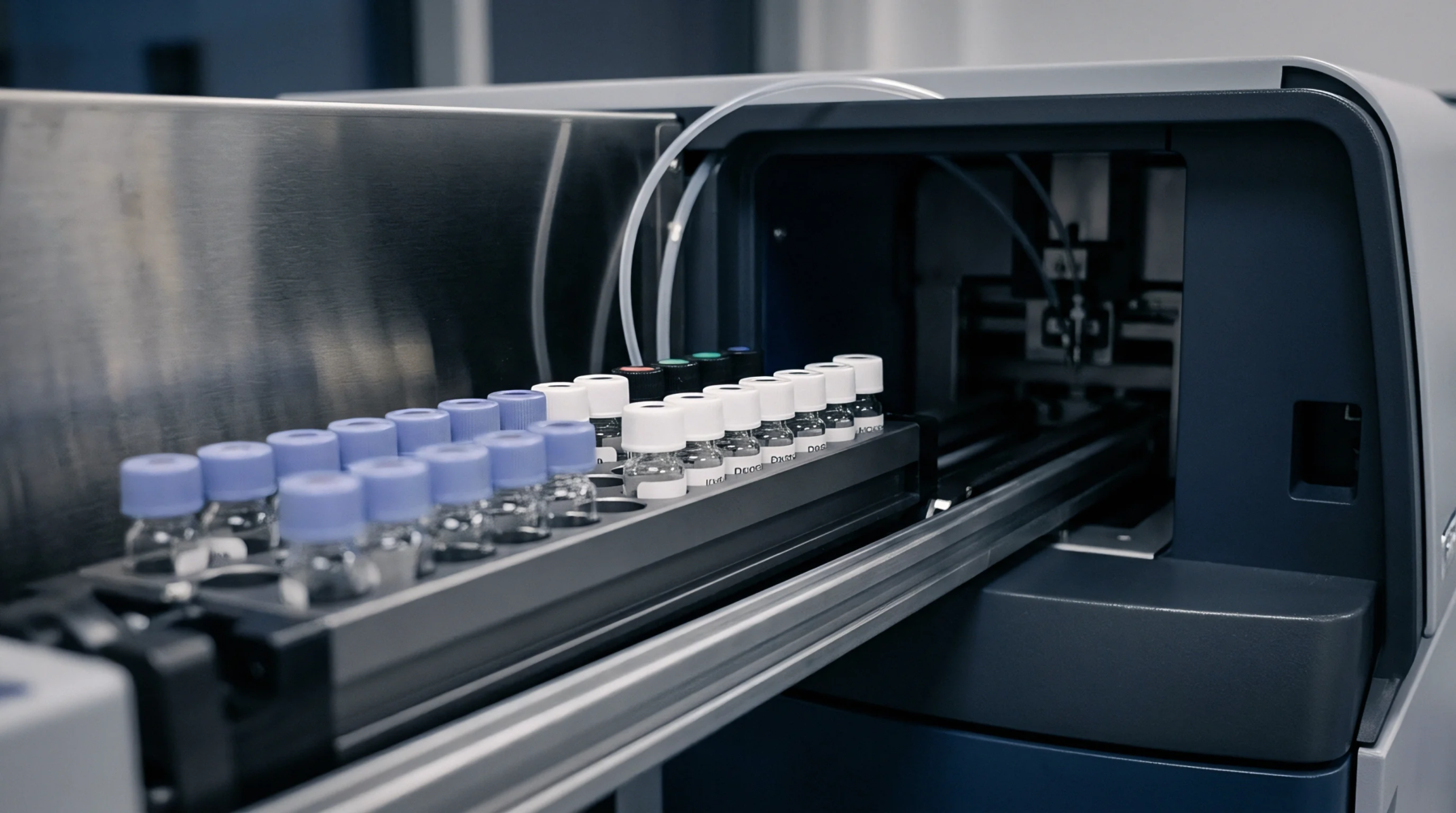
Temperature-controllable sample introduction hardware for gas chromatography regulates the thermal volatilisation and transfer of complex liquid extracts into capillary analytical columns. Gas chromatographic evaluation of polymer extracts and recycled resin volatiles employs a ptv injector to eliminate inlet discrimination caused by wide boiling-point distributions. The module introduces liquid extracts at temperatures below the solvent boiling point before ramping rapidly to transfer analytes without pyrolytic degradation.
Operators program split, splitless, or solvent-vent operational modes to manage sample volume and column loading. Controlling inlet temperature dynamics preserves heavy polymer waxes, flame retardants, and thermal stabilizers for accurate trace quantification.
Inlet Mechanism
Micro-volume heating elements and cryogenic cooling jackets surround the glass liner within the injection chamber to achieve rapid thermal cycling. During liquid introduction, a ptv injector maintains low liner temperatures, allowing gentle solvent evaporation through an open split vent while preserving volatile and semi-volatile analytes. Once the solvent matrix exhausts, the chamber heats at rates exceeding twelve degrees Celsius per second, flash-volatilising concentrated target compounds directly onto the analytical column head.
This programmatic temperature delivery prevents sample boil-over and stops reactive polymer migrants from degrading on hot metal surfaces.
Migration Testing
Packaging laboratories quantify non-intentionally added substances and volatile organic degradation products using large volume injection modes made possible by programmable inlet temperature control. Conventional hot splitless injectors flash-boil solvents violently, limiting injection volumes to a few microliters and causing heavy discrimination against high-boiling polyolefin oligomers. By venting the carrier solvent before thermal desorption, this injector transfers large extraction aliquots, driving detection thresholds into sub-part-per-billion analytical ranges.
Precise migration evaluation for food contact and pharmaceutical barrier compliance relies heavily on this quantitative sensitivity.
Hardware Maintenance
High-boiling polymer fractions, residual pigments, and masterbatch waxes gradually collect inside the inlet liner during continuous production screenings. Deactivated glass liners, quartz wool packing, and silicone septa require periodic inspection to prevent active site formation that catalyses analyte breakdown. If heavy polymer residues build up, column resolution drops and analytical peaks exhibit severe tailing.
Scheduled replacement of contaminated liners alongside regular baseline blank evaluations ensures the long-term quantitative fidelity of the instrument.