Meaning
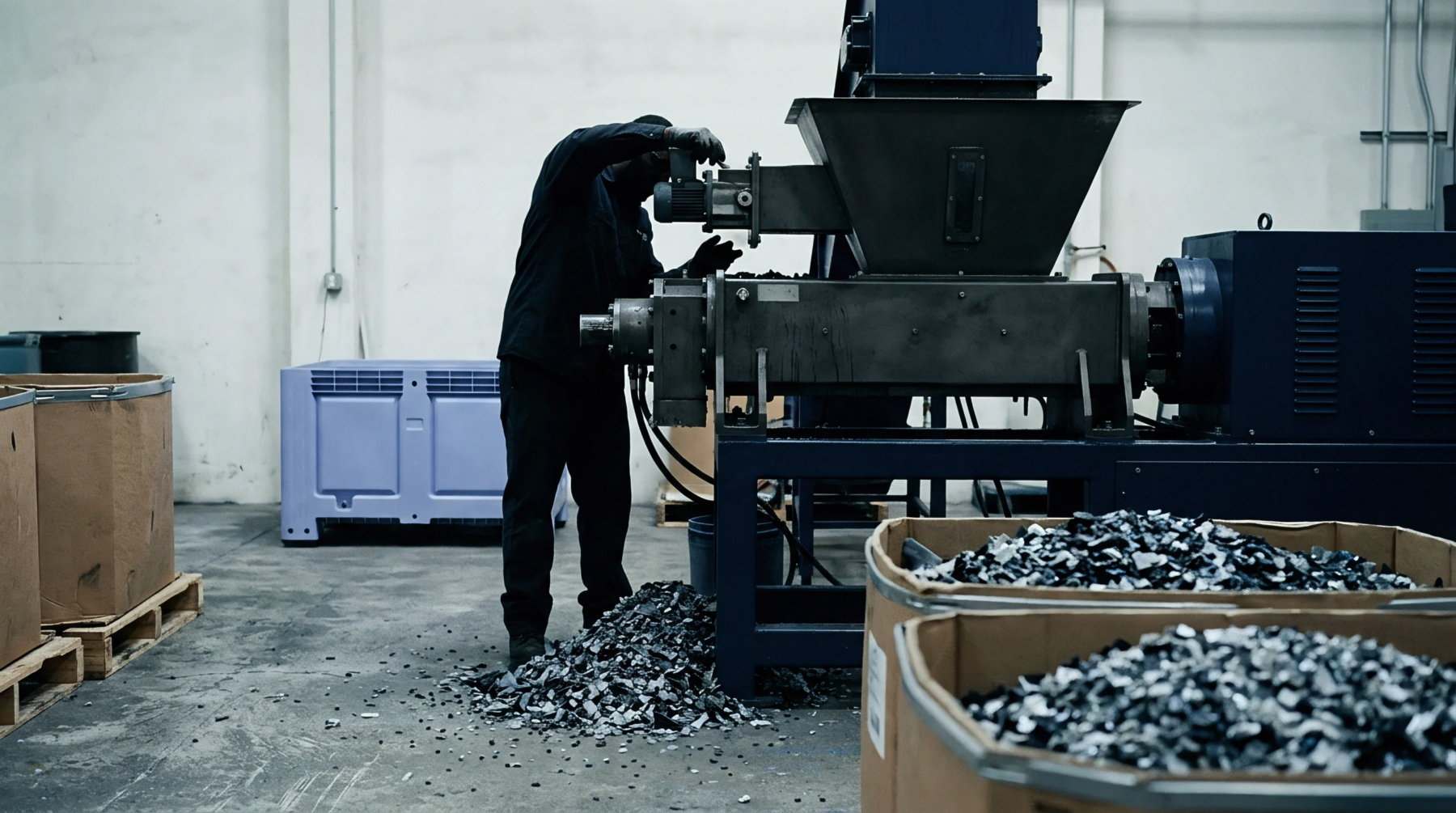
Purification technology combining mechanical washing, thermal drying, high-vacuum treatment, and volatile extraction strips volatile organic compounds and absorbed contaminants from post-consumer polypropylene flakes. Effective polypropylene decontamination converts post-consumer rigid containers and flexible packaging into high-purity recycled resin suitable for high-value applications. The processing scope addresses tertiary odor compounds and absorbed consumer chemicals.
Thermal Desorption
Solid-state stripping reactors heat washed polyolefin flakes below their melting point while operating under deep vacuum or inert gas purging. Achieving targeted polypropylene decontamination requires balancing residence time against polymer thermal degradation risks. Diffusion kinetics dictate that volatile molecules move from the core of the plastic flake to the surface, where vacuum extraction removes them from the system.
Odor Reduction
Short-chain aldehydes, ketones, esters, and terpene compounds absorbed during initial product life impart undesirable smells to recycled polyolefins. Specialized polypropylene decontamination operations lower sensory odor thresholds by stripping terpene residues like limonene to levels undetectable by human olfaction. Measuring volatile organic compounds via headspace gas chromatography verifies the removal of malodorous substances before pelletization.
Sensory panel testing and analytical quantification confirm that residual flavor and odor active compounds remain below organoleptic perception limits. Extrusion degassing systems equipped with multi-vent vacuum zones pull off residual volatile compounds as the polymer melts.
Melt Quality
Purified flakes pass through high-degassing extruders equipped with melt filtration systems to produce clean recycled pellets. Polypropylene decontamination protects melt flow index stability by removing reactive contaminants that trigger chain scission during melt processing.