Meaning
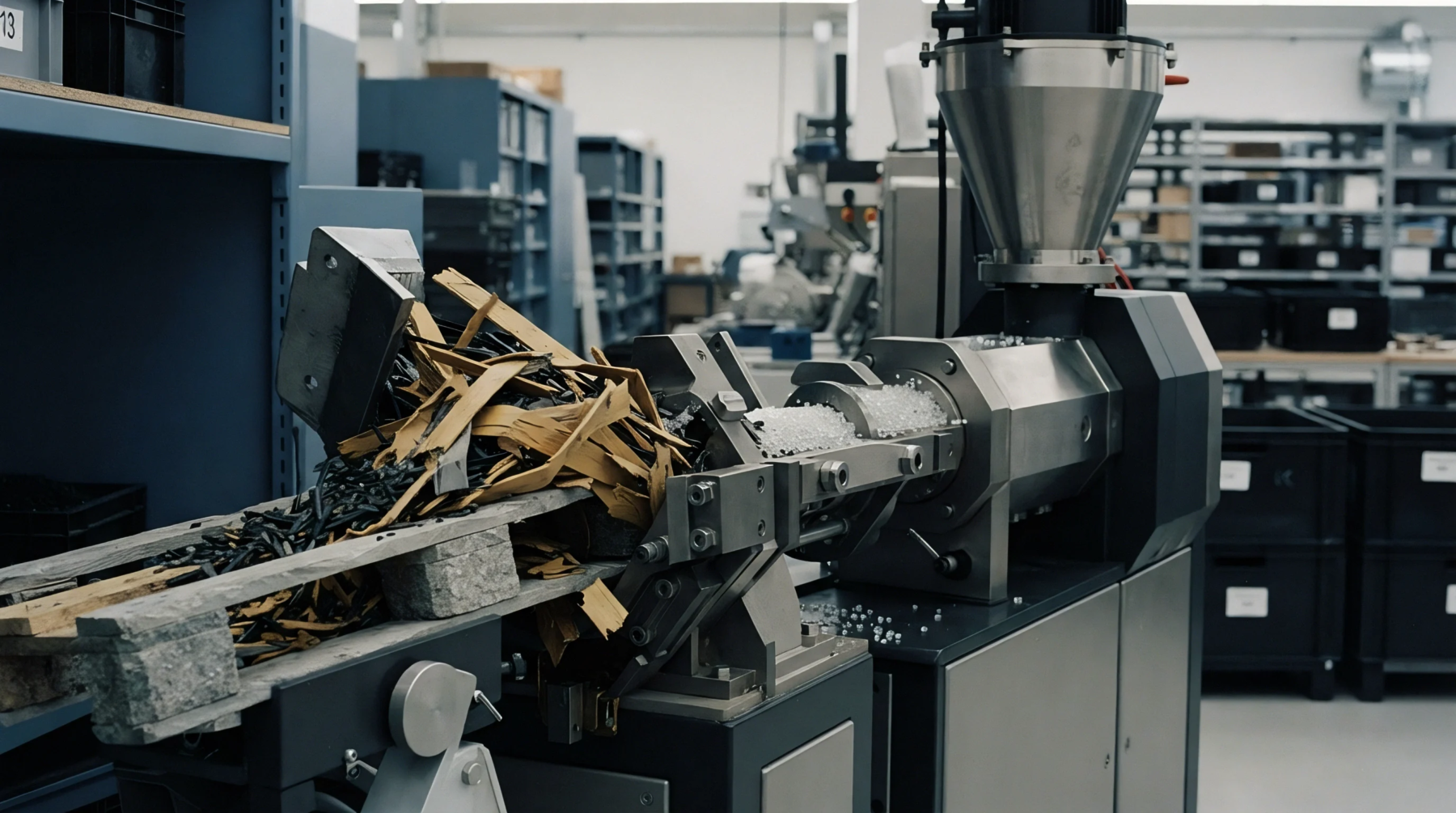
Industrial scrap generated during the manufacturing process can be collected and reprocessed into usable polymer feedstocks. This material, designated as pir, originates from factory waste such as mold runners, trim scrap, and rejected parts that have not reached the consumer. It governs the secondary resin market by providing a clean, single-origin recycled option.
It excludes post-consumer waste which has been exposed to end-user contamination.
Sourcing Quality
Factory waste is usually kept segregated by polymer type and grade, resulting in high consistency and minimal contamination. Resin classified as pir exhibits predictable flow behavior and mechanical properties because it has not been mixed with other plastics. This consistency makes it easier for molders to substitute it for virgin resin than using post-consumer grades.
Material Processing
Regrinding and blending this scrap back into the production line requires careful monitoring of the melt flow index. Because the polymer has undergone a second thermal cycle, some molecular weight reduction occurs during the reprocessing of pir. Molders often blend it with virgin resin at controlled ratios to prevent viscosity loss.
Economic Balance
Utilizing factory scrap reduces the cost of raw materials and minimizes waste disposal fees. This practice improves the sustainability rating of the molding operation without demanding expensive wash lines.