Meaning
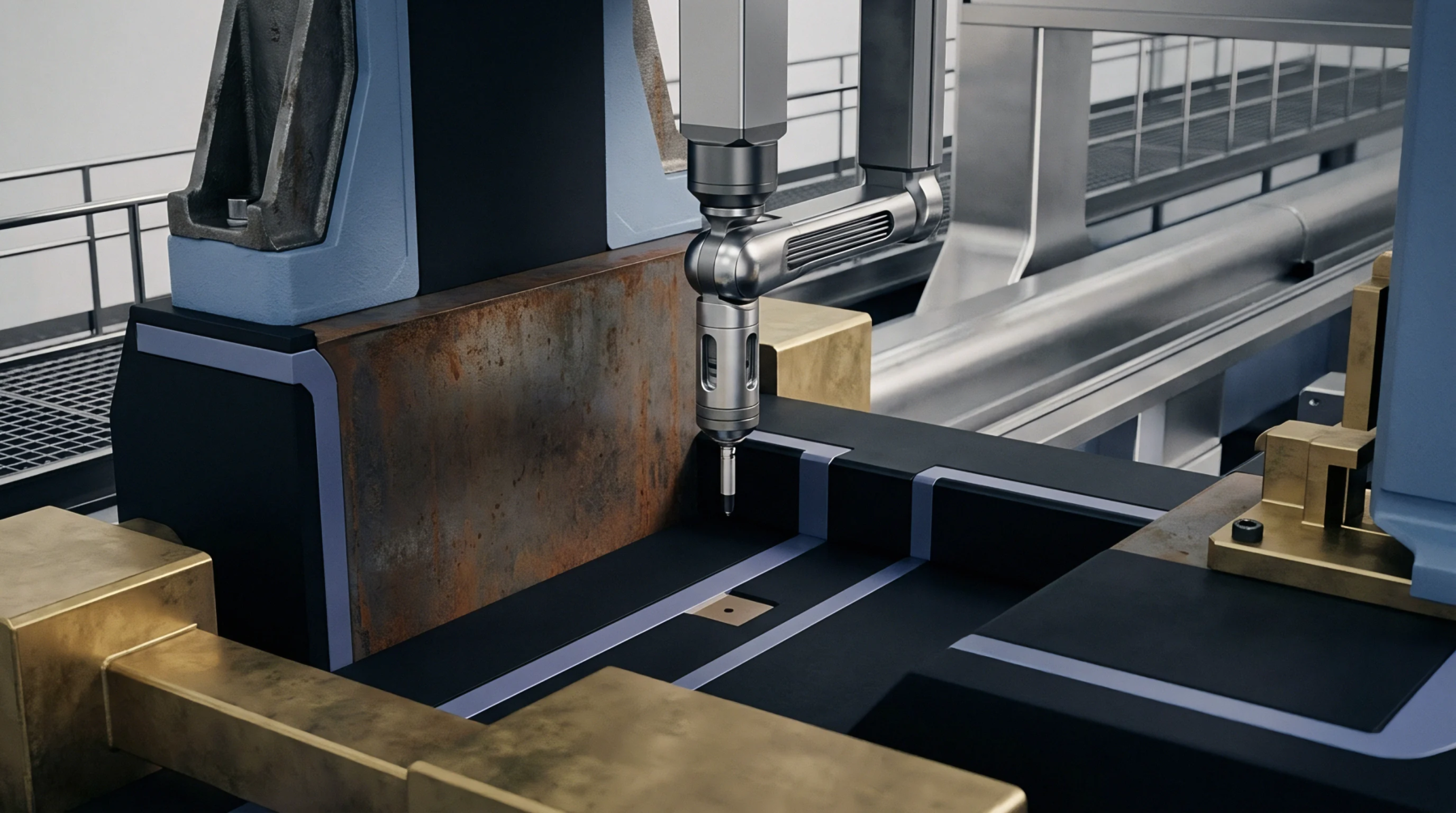
Precision components manufactured from nickel alloys or high grade steel provide the master surface geometry for injection moulding transparent plastic parts. These optical mold inserts dictate the final refractive index and clarity of the finished lens by transferring nanometer scale surface roughness from their polished cavity to the molten resin. Fabrication relies on diamond turning or electrochemical deposition to maintain figure accuracy across the entire active aperture.
Surface irregularities or thermal fluctuations in the insert block introduce wave front errors that prevent the moulded product from meeting transmission requirements.
Production Variables
Surface finish standards determine the light scattering properties observed in finished lenses. If the metal surface exhibits microscopic tool marks, the plastic copies these defects with high fidelity. Moulders hold the cavity temperature within narrow bounds to prevent the insert from undergoing dimensional expansion during the filling cycle.
Regrind material lowers the viscosity of the melt and often fails to capture the precise detail engraved into the steel. Engineers specify inserts when the application demands tight control over focal length and chromatic aberration across large production lots.
Thermal Stability
Dimensional shifts in the tool steel occur whenever the cooling channels fail to maintain uniform heat extraction. Operators monitor the gate pressure to ensure the resin packs the lens geometry against the insert without introducing residual stress. Steel provides the necessary hardness for long cycles but requires careful handling to avoid pitting.
Polymers with high glass transition temperatures exert significant abrasive force on the metal surface over many thousands of cycles.
Material Economics
Virgin resin selection dictates the flow characteristics that interact with the microstructures of the mold. Lower grade plastic produces haze that masks the quality of the polished surface. Costs fluctuate based on the precision of the initial CNC pathing required to cut the geometry into the base material.
Investment in high quality inserts reduces the reject rate by ensuring each part matches the master design intent throughout the service life of the tool.