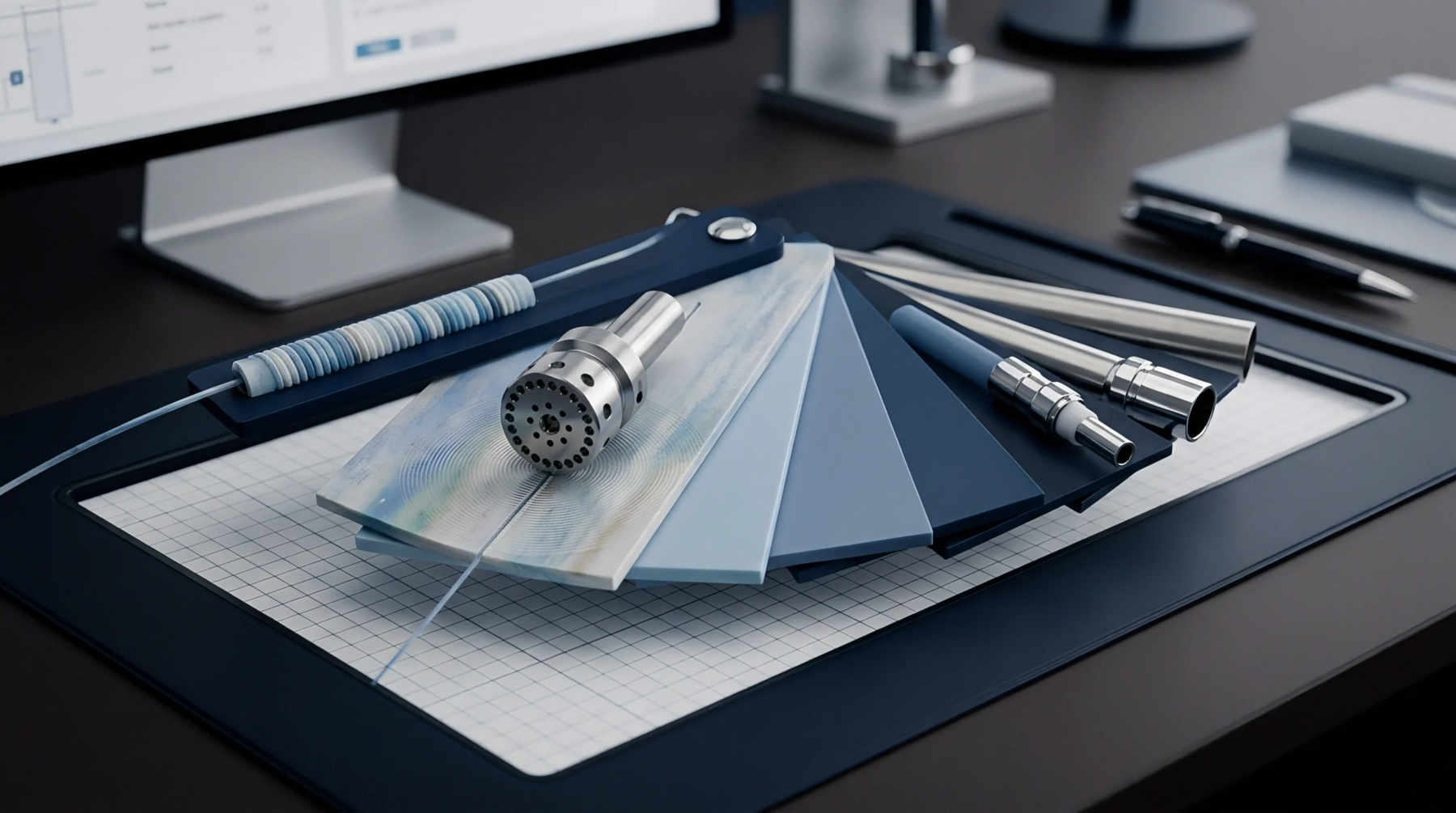
Toolroom Blueing Shut off Verification for Injection Moulding
Toolroom blueing shut-off verification proves metal contact under compression to eliminate plastic flash, protect tool steel, and validate parting line pre-load.
Financial recovery through multi cavity tooling amortization allocates the initial capital expenditure of a high volume mould across a specific production quantity to determine the per unit piece price. Accountants use this practice to bridge the gap between a large upfront cash outflow and the gradual realization of revenue from parts produced during the lifespan of the steel. It functions by dividing the total cost of the mould base, inserts and hot runner systems by the projected volume of plastic components that the tool will reliably produce before retirement.
Mould makers or part manufacturers calculate this figure to ensure that the recovery of the investment matches the actual throughput of the machine rather than an arbitrary timeline. This definition remains valid for both captive production lines and custom moulding contracts where the ownership of the hardware rests with the supplier or the end customer. The process ceases to apply once the target volume reaches completion or the tool reaches its mechanical limit.
Precision in this accounting practice requires a firm grasp of the expected mould life relative to the cavitation count selected during the design phase. Higher cavitation reduces the cycle time for a specific order but increases the entry cost for the metalwork and the complexity of the maintenance schedule. Moulders observe that as the number of cavities grows, the cost per individual part drops while the total depreciation burden on the tool rises.
A mismatch between the tool lifespan and the order volume creates a financial risk where the manufacturer fails to recover the initial investment through the piece price. Virgin resin costs fluctuate while the amortization schedule stays fixed until the target volume shifts.
Maintaining the consistency of the tool relies on the interaction between the injection pressure and the structural integrity of the cavity steel. Heat dissipation rates change when a mould moves from a single cavity to a multi cavity configuration, which alters the cooling requirements of the polymer. Excessive clamping forces often lead to flash or uneven wall thickness when the tool wears beyond its design tolerance.
Such deviations indicate a failure in the maintenance cycle that inevitably shortens the productive life of the hardware. Production delays cause the unit cost to spike because the denominator of the total projected volume no longer reflects the reality of the floor output.
Moulding shops distinguish between a generic parts list and a specific tooling specification because the latter includes the cycle time guarantees and maintenance intervals that underwrite the depreciation model. Regrind percentages influence the part quality and tool wear which eventually changes the cost profile of the entire production run. Datasheet values for polymer viscosity provide a starting point for pressure settings, yet the final hold pressure must account for the actual filling behaviour of the multi cavity layout.
Realized tool life determines the actual unit cost because the amortization schedule rests entirely upon the accuracy of the volume estimate.
Toolroom blueing shut-off verification proves metal contact under compression to eliminate plastic flash, protect tool steel, and validate parting line pre-load.
Expertise is a utility, not a secret. sentiention™ publishes its working knowledge as open reference: intelligence layer covering the materials it sources, the markets it enters, and the reference that serves both.