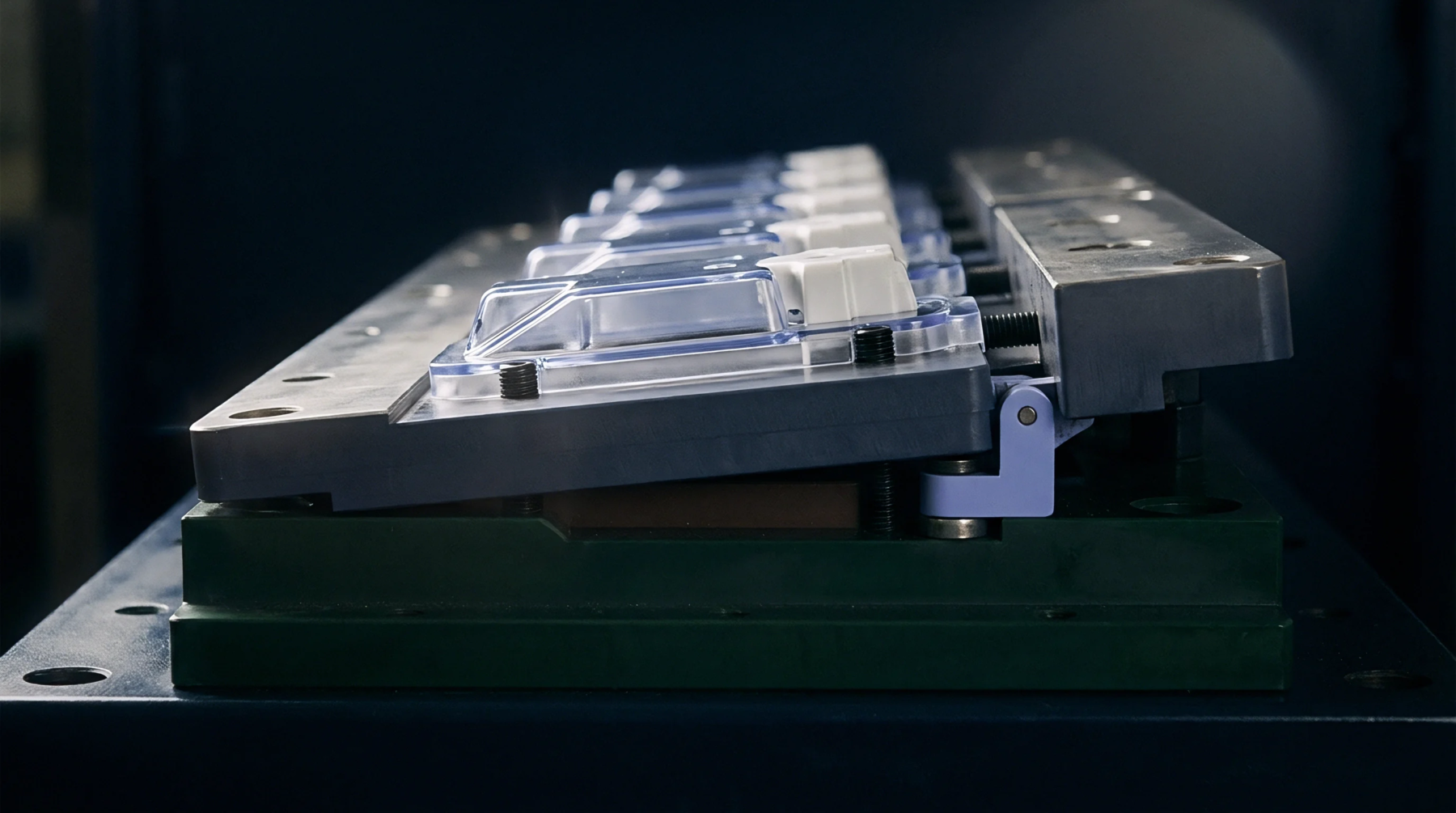
Meaning
Housing and protection technology for integrated circuits operates in the frequency range from 30 to 300 gigahertz. The requirements for millimeter wave packaging differ from standard electronics because the signals are highly sensitive to the dielectric properties of the surrounding plastic. Materials used in these housings must have extremely low loss tangents to prevent the signal from being absorbed as heat.
Plastics for this application include liquid crystal polymers.
Material Selection
Dielectric constant and dissipation factor are the primary variables when choosing a resin for these applications. Standard glass-filled nylons are unsuitable for millimeter wave packaging due to their high moisture absorption and electrical loss. Low-moisture polymers ensure the signal remains clear.
Dimensional Precision
Small wavelengths mean that even minor variations in the wall thickness or part geometry can cause signal interference. The production of millimeter wave packaging requires high-precision tooling and tight control over the moulding parameters. Any shift in the process leads to a failed electrical test.
Signal Integrity
Traditional metallic enclosures are often replaced by plated plastics to reduce weight and cost in automotive radar or 5G infrastructure. If the millimeter wave packaging design includes internal shielding, the adhesion of the metal layer to the polymer must be perfect to prevent leakage. Variations in the resin surface finish or the regrind content can change the way the electromagnetic waves reflect inside the housing.
Consistent material sourcing is therefore a requirement for maintaining the performance of the high-frequency system. This consistency ensures that the devices meet the strict range and resolution standards required for autonomous driving and high-speed data transmission. Signal performance depends on material purity.