Meaning
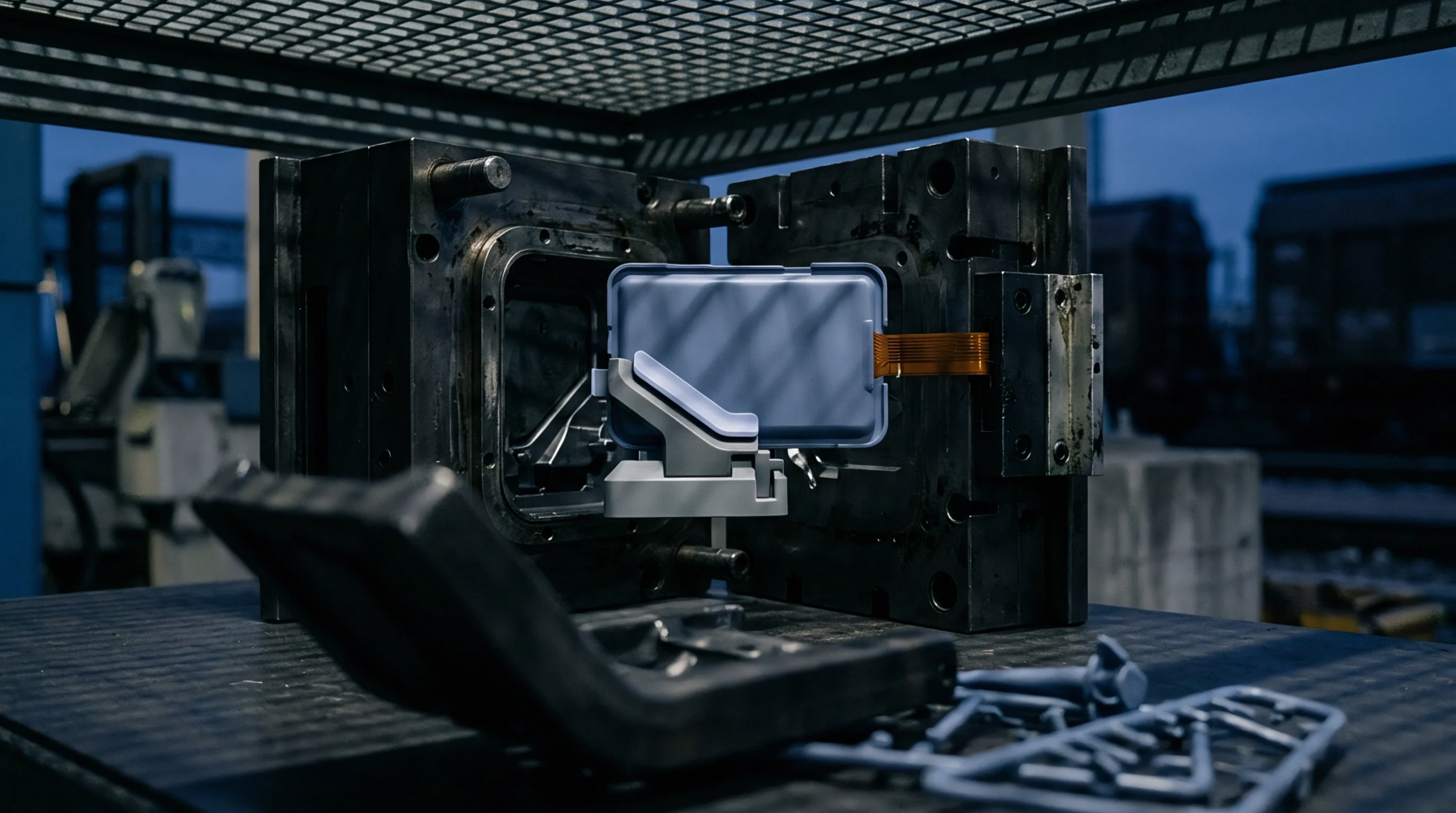
Pressure drop inside a melt delivery system defines the restriction of flow caused by the geometry of a feed path. Hydraulic resistance quantifies the energy loss experienced by a polymer as it transitions from the machine nozzle through the sprue, runners and gates before entering the mould cavity. It depends on the viscosity of the resin, the cross sectional area of the flow channels and the overall length of the path.
When this value increases, the injection unit must apply higher force to maintain the required fill speed.
Flow Dynamics
Injection moulding systems rely on calculated channel dimensions to manage the relationship between fill pressure and shear rate. High levels of hydraulic resistance force the screw to work against backpressure, which generates internal heat through friction within the molten plastic. Engineers adjust runner diameters or gate sizes to ensure the filling front remains uniform.
A restrictive geometry often leads to premature freeze off where the material solidifies before the part reaches the final pack stage.
Polymer Processing
Resin properties dictate the base flow characteristics that interact with the physical layout of the tool. Amorphous materials display a different response to narrowing channels than semi-crystalline polymers, requiring distinct runner configurations to prevent thermal degradation from excessive shear. Virgin pellets exhibit predictable flow profiles, whereas regrind batches contain shorter molecular chains that change the apparent viscosity and alter the pressure requirements for a given machine setting.
Moulding shops monitor these variances to avoid flash or short shots during production cycles.
Economic Consequence
Excessive resistance at the gate adds hidden costs to the manufacturing process by demanding longer cooling times and higher clamping forces. Tooling designers select runner layouts that balance the hydraulic resistance across multi-cavity moulds to ensure every part cools at the same rate. Inefficient flow paths result in inconsistent weight between parts produced in a single shot.
Proper design of the delivery network remains the most effective method for controlling energy consumption during the injection phase.