Meaning
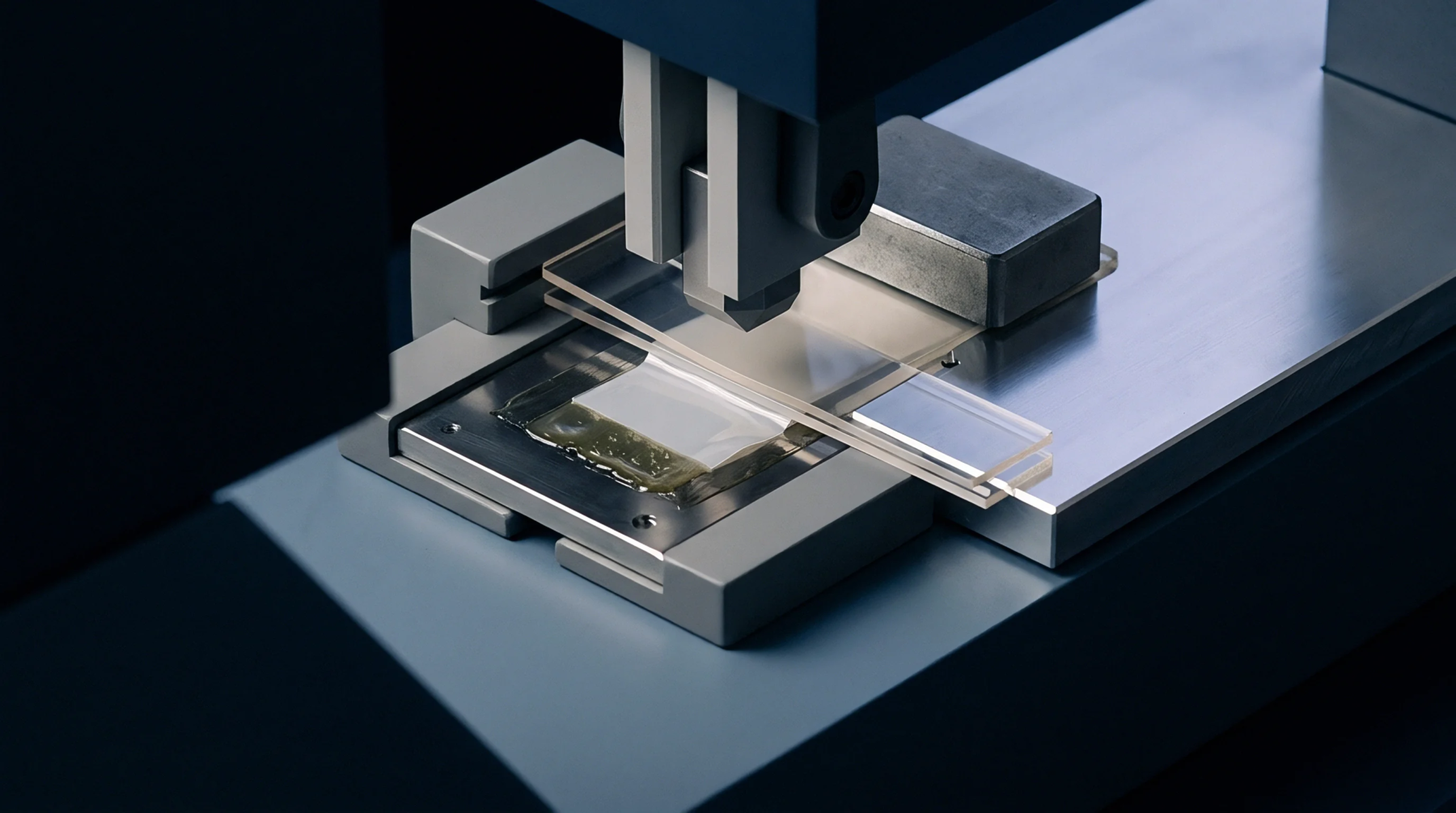
Modified polypropylenes exhibit enhanced resistance to sag and thinning when subjected to tensile forces in the molten state. Known for its branched molecular architecture, high melt strength pp provides the melt elasticity needed for extrusion coating, thermoforming, and foaming. The material undergoes strain hardening during extension, which stabilizes the polymer web or bubble against localized thinning.
It is not used where low viscosity and rapid flow into thin-walled injection molds are required.
Molecular Structure
Long-chain branching is introduced into the polypropylene backbone through reactive extrusion or copolymerization. This structural modification creates entanglements that resist disentanglement under high shear or extension rates. Traditional linear polypropylene has low melt elasticity, which leads to parison rupture in blow molding or cell collapse in foaming.
High melt strength pp prevents these failures by maintaining a cohesive melt that can withstand gravity and stretching forces.
Processing Advantage
In thermoforming, sheet heated to its softening point must resist excessive sagging before the mold closes. The use of this branched resin allows for a wider processing window and more uniform wall thickness in deep-draw parts. It also allows for the extrusion of low-density foam sheets with uniform cell size, as the melt strength prevents the gas bubbles from coalescing or escaping.
Economic Benefit
Replacing linear resin with a high-melt-strength grade reduces scrap rates on the production floor. Although the raw material cost of the modified resin is higher, this expense is offset by the ability to run thinner-walled parts and faster cycle times. In thermoforming lines, the reduction in trim scrap and the reuse of regrind are critical factors in the overall cost equation.
Furthermore, the stable process allows for higher throughput on existing extrusion equipment. In many cases, converters can reduce the part weight by several percent while maintaining the same structural integrity, which reduces shipping costs and resin consumption.