Meaning
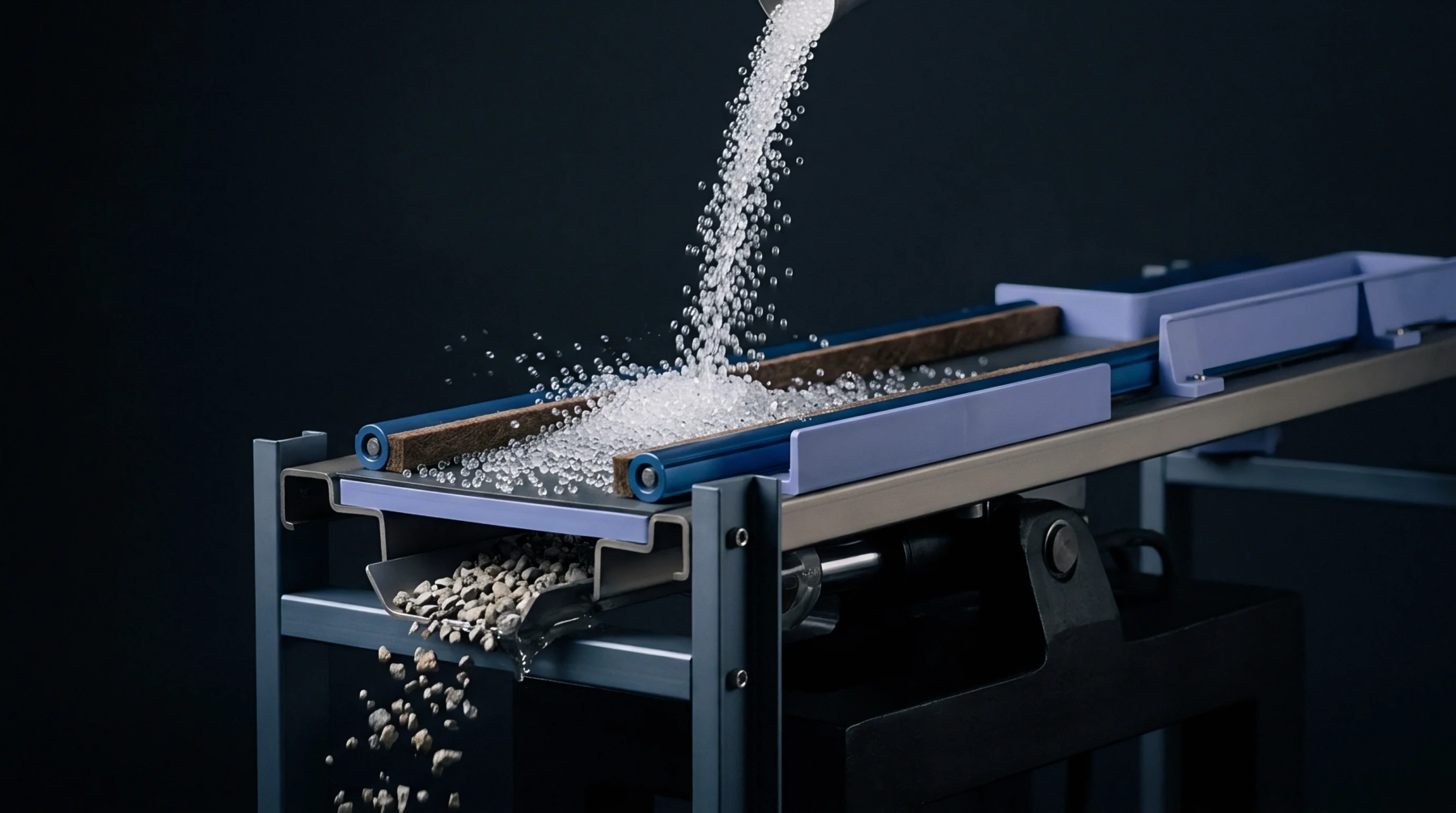
Recycled thermoplastic material in the form of shredded, washed particles represents the primary feedstock for non-virgin compounding. To achieve predictable extrusion rates, high-density polyethylene flake must be free from polyethylene terephthalate and paper contaminants. Processing mills sort and wash these particles to ensure a consistent bulk density before pelletizing.
Feedstock Quality
Contaminant levels in the raw shredded plastic determine the mechanical integrity of the final extruded product. When high-density polyethylene flake contains residual polypropylene, the two polymers do not blend fully, which creates weak points in the molded part. This incompatibility leads to microstructural voids that lower the impact strength of the finished product.
Melt Behaviour
Shredded polymer particles must exhibit a stable melt flow index during extrusion. Inconsistent high-density polyethylene flake causes viscosity shifts that alter die pressure, which leads to wall thickness variations.
Moulding Recovery
Reclaiming post-consumer waste through direct reprocessing minimizes the environmental footprint of polymer manufacturing. Incorporating high-density polyethylene flake into the moulding cycle reduces raw material costs significantly compared to virgin resin, but it requires specialized melt filtration screens to catch un-melted foreign particles. These screens prevent nozzle blockage and eliminate surface blemishes, allowing moulders to maintain high throughput and minimize scrap rates across continuous production runs.