Meaning
Analytical instrument known as GC-FID combines gas chromatography with a flame ionization detector to identify and quantify volatile organic compounds in polymer samples. It is the workhorse of the plastics laboratory, used to measure everything from residual monomers to processing additives. The system works by vaporizing a sample and separating its components as they pass through a long, coated column.
As each chemical exits the column, it is burned in a hydrogen flame, creating ions that generate a measurable electrical signal.
Detection Principle
Sensitivity of the flame ionization detector is particularly high for hydrocarbons and other carbon-containing molecules. This makes gc-fid an ideal tool for detecting the small molecules that can cause odors or safety concerns in moulded parts. The intensity of the electrical signal is directly proportional to the amount of carbon in the sample, allowing for precise quantification of the analytes.
Because the detector is robust and stable, it provides consistent results across different batches and operators.
Sample Preparation
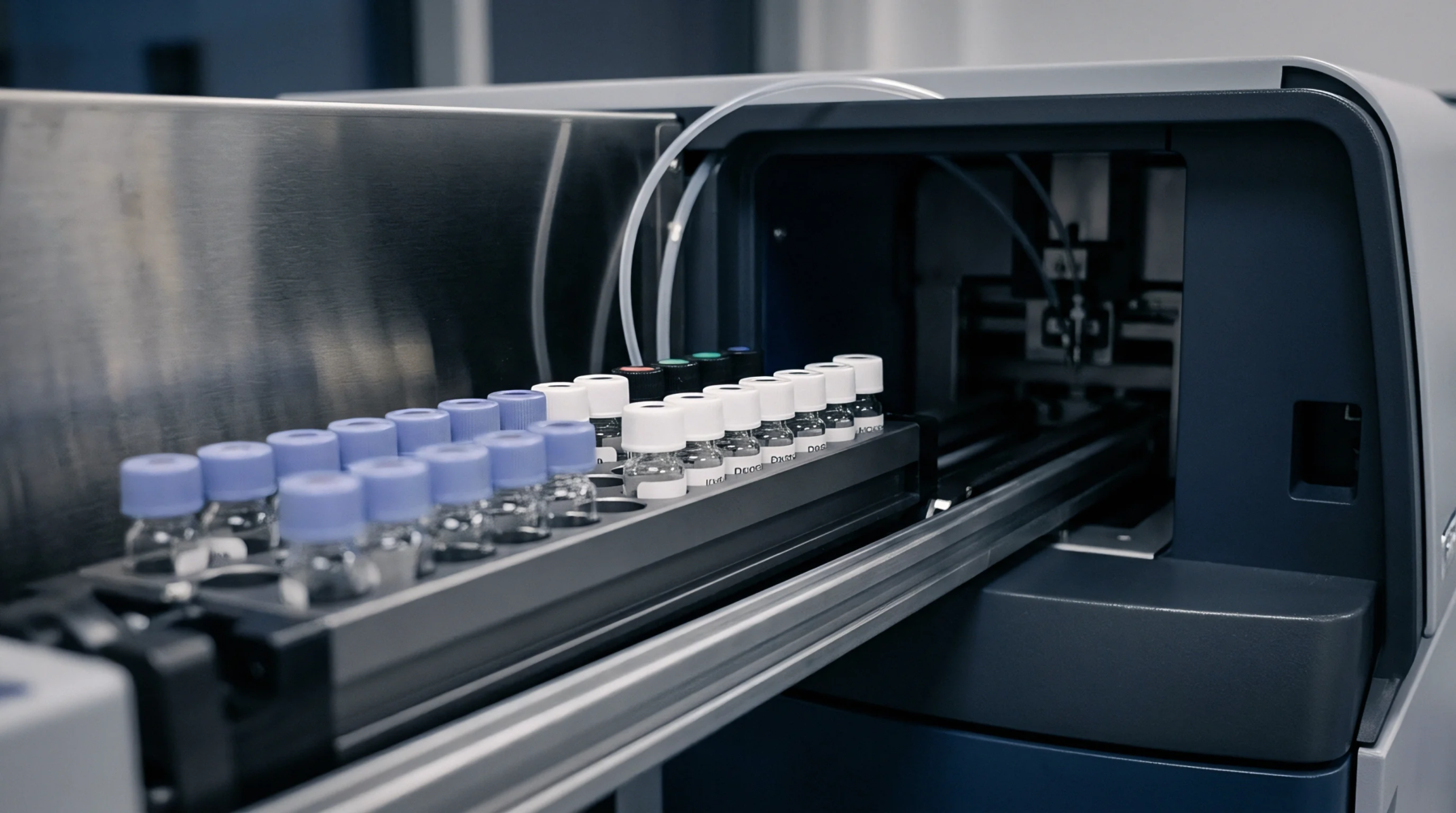
Material must be converted into a form that can be injected into the chromatograph. This often involves solvent extraction of the plastic part or the use of headspace analysis to capture the gases released when the resin is heated. In the headspace method, a sample of the plastic is sealed in a vial and heated, and a portion of the air inside is then injected into the gc-fid system.
This technique is especially useful for identifying the volatiles that contribute to the smell of a newly moulded part.
Quality Control
Monitoring the purity of resin shipments ensures that the material meets the buyer’s specifications. If the gc-fid scan shows unexpected peaks, it may indicate contamination from the previous batch in the extruder or a change in the resin supplier’s process. These results are used to troubleshoot production issues and to certify that the final product is safe for its intended use.
Maintaining a library of standard chromatograms allows the lab to quickly identify common additives and degradation products.