Meaning
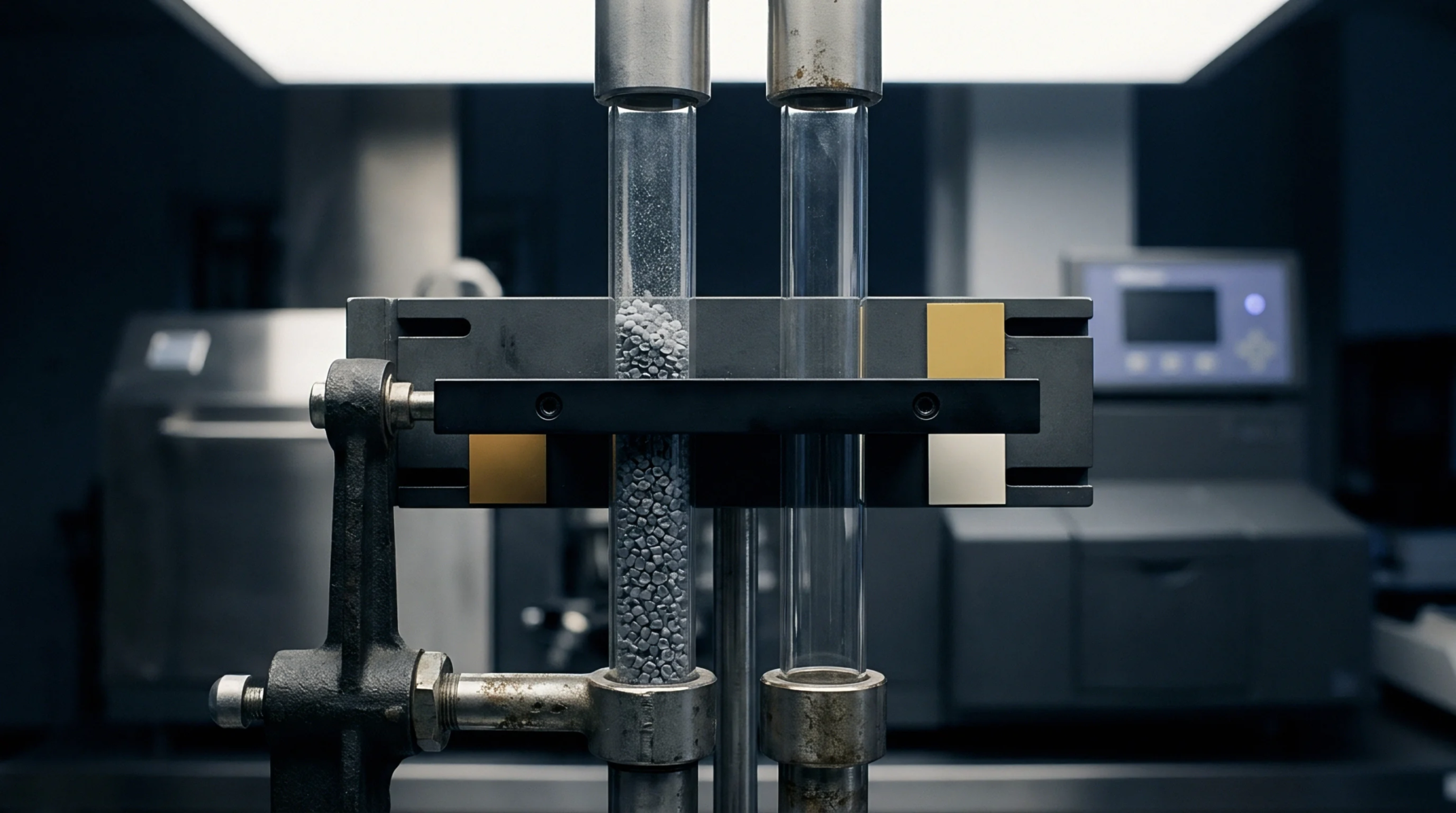
Systematic examination of fractured or degraded components to determine the underlying cause of structural or functional loss constitutes this discipline. Effective failure analysis identifies whether the breakdown stemmed from a material defect, a design flaw, a moulding error or a contamination source. It provides the data needed to adjust resin selection or modify tool geometry to prevent recurrence.
Fracture Mechanics
Examining the surface of a break reveals whether the material failed through brittle crack propagation or ductile yielding. This distinction points toward either excessive stress or environmental stress cracking.
Molecular Degradation
Thermal history during processing often leaves chemical signatures that indicate if the polymer was overheated in the barrel. Gel permeation chromatography or melt flow testing compares the failed part against virgin pellets to detect molecular weight reduction. Chain scission caused by high shear or moisture during extrusion weakens the part markedly before it ever enters service.
Analyzing the melt history helps separate raw material issues from moulding errors.
Tooling Verification
Physical measurements of the failed area often uncover sharp internal corners that acted as stress concentrators. Radiographic imaging or cross-sectioning can reveal internal voids and gas traps that compromised the structural integrity. Correcting these features in the steel usually resolves the problem without requiring a more expensive resin.