Meaning
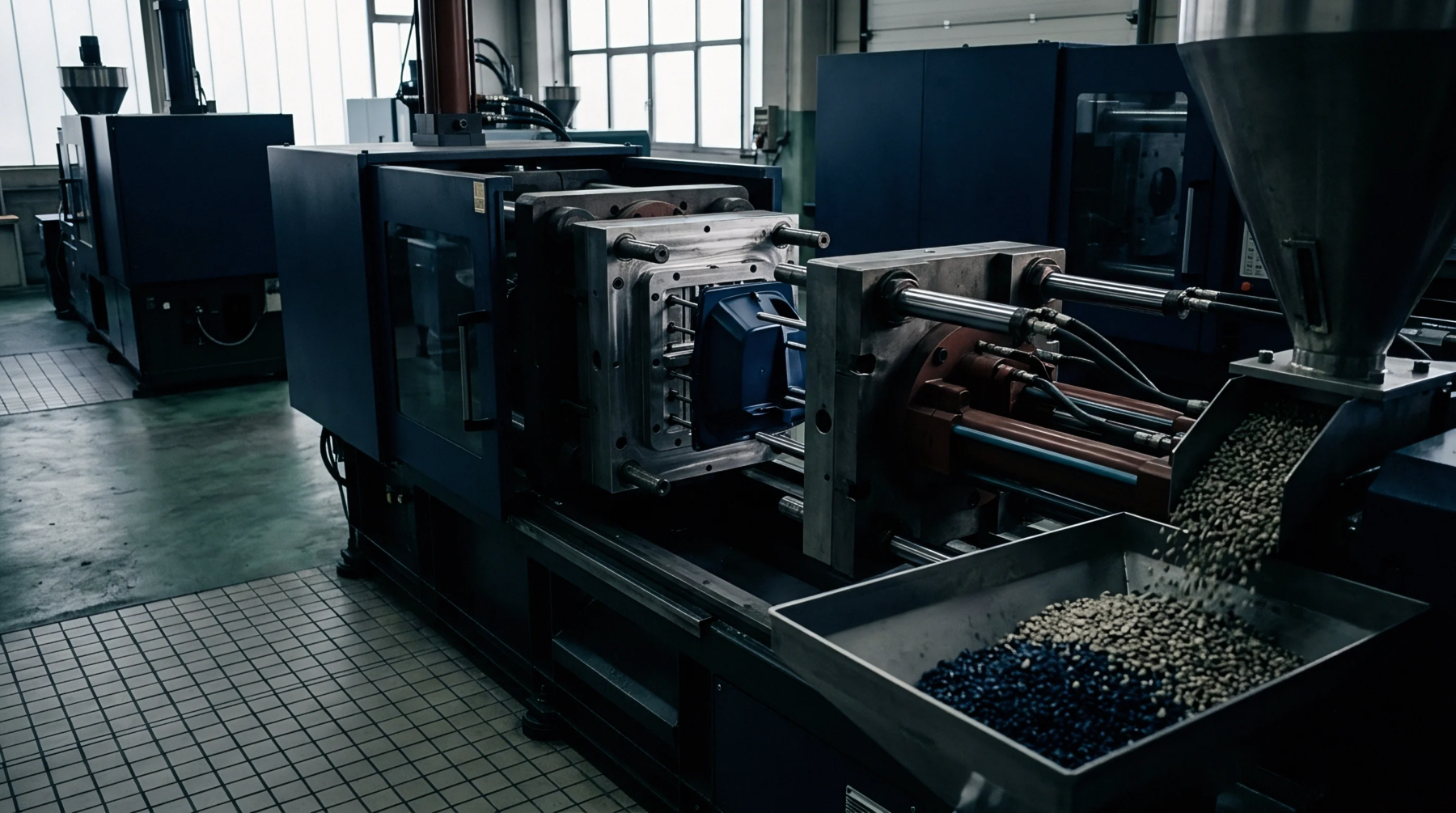
Verifying equipment compliance against contract specifications and machinery builder standards occurs at the supplier facility prior to crating and shipping. Factory acceptance testing subjects an injection molding machine or hot runner controller to full dry-cycle runs and simulated production conditions before shipment to the buyer plant. Protocol execution uncovers structural defects and hydraulic leaks when rectify costs remain lowest.
The procedure establishes baseline performance metrics for clamping force, screw recovery rate, injection speed and thermal stability under controlled shop floor conditions.
Operational Verification
Machine movements undergo continuous dry cycling to evaluate toggle kinematics and tie-bar stretch uniformity. During factory acceptance testing, technicians measure core-pull response times and ejector plate repeatability across hundreds of uninterrupted cycles. Hydromechanical anomalies like valve chatter or erratic pressure spikes prompt immediate component replacement on the builder assembly floor.
Thermal Performance
Heated zones on barrel units and hot runner manifolds undergo multi-hour thermal soak trials to verify PID control precision and thermocouple wiring accuracy. Executing factory acceptance testing with temperature sensors placed across nozzle tips reveals heater band burnouts and zone cross-wiring before freight delivery. Stabilizing temperature profiles prevents thermal degradation of heatsensitive polymers like polyvinyl chloride during eventual plant commissioning.
Commissioning Boundary
Quality protocols documented at the machinery plant do not replace site acceptance testing after transport and utility hookup. Factory acceptance testing provides a signed baseline parameter set that isolates factory assembly defects from transit damage or improper plant installation.