Meaning
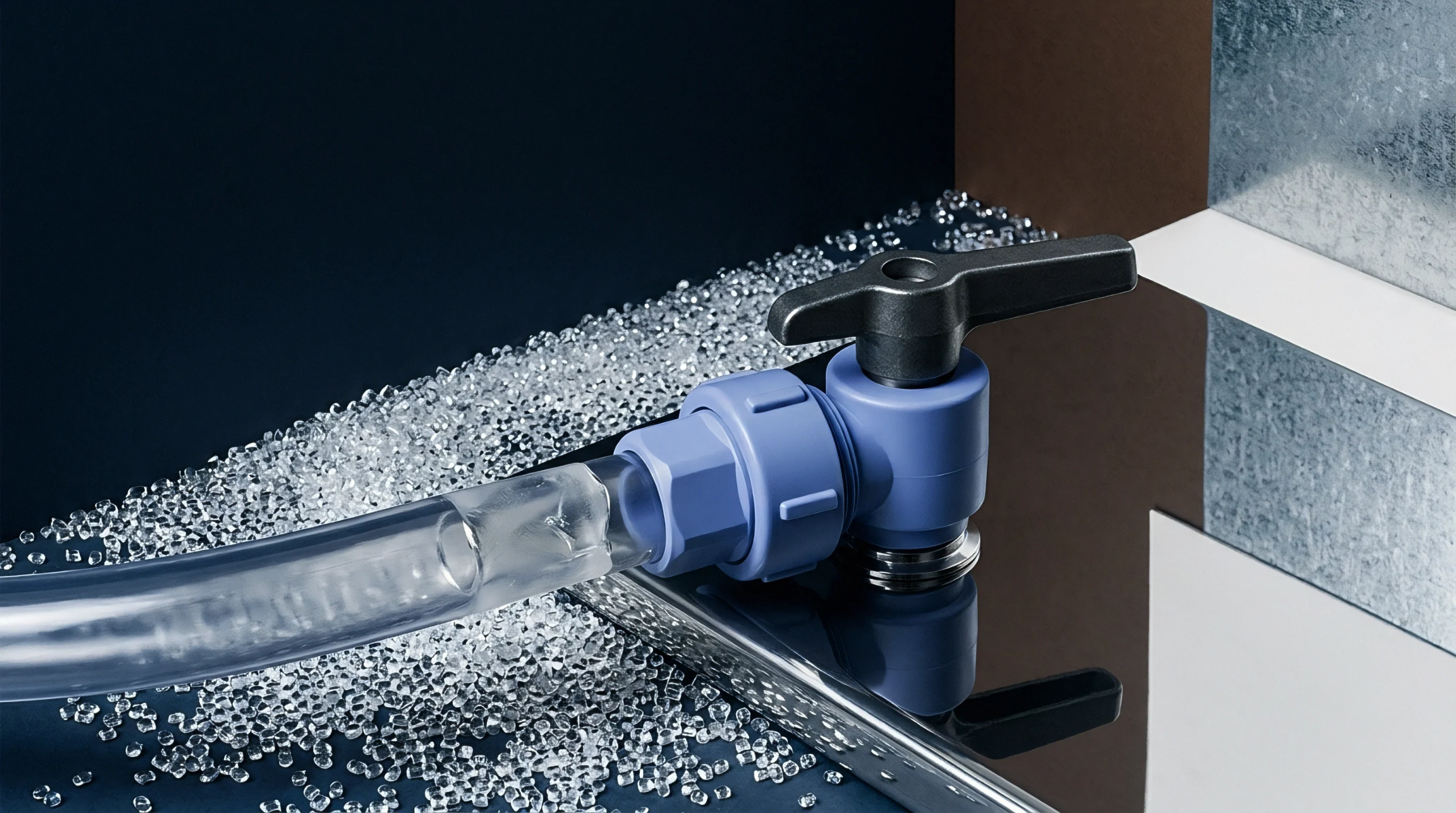
The physical arrangement of the aperture and internal walls within a die or tooling assembly dictates the flow path of a polymer melt through extraction cell geometry. This configuration governs the velocity distribution and pressure drop of the material as it transitions from a reservoir into a defined profile. Designers manipulate these dimensions to ensure uniform residence time and mitigate stagnation zones where thermal degradation occurs.
Proper selection of these dimensions prevents the development of localized shear heating which ruins the physical properties of sensitive resins.
Tooling Precision
The accuracy of the machined cavity profiles directly dictates the dimensional consistency of the finished extrusion. Manufacturers specify these internal clearances to compensate for material swell and shrinkage characteristics that differ by resin grade. A tighter tolerance on the interior walls allows for higher production speeds while maintaining the stability of the extruded section.
Deviations in the cut angles often result in inconsistent wall thickness which causes the part to fail under mechanical load.
Processing Impact
Variable flow conditions arise when the internal channel design creates excessive resistance during the start of a production run. Increased back pressure leads to higher motor load on the extruder and potential degradation of the polymer as energy dissipates through friction. Cooling rates fluctuate when the metal density of the die block varies around the primary flow channels.
These thermal instabilities create warp and bowing in the final shape that persist even after the cooling phase finishes.
Regrind Economics
The incorporation of reground material into a virgin resin stream necessitates an expansion of the feed zone and channel widths to account for bulk density changes. Increased friction from non-uniform regrind particles requires a smoother finish on the metal surfaces to avoid build-up or gate blockage. Moulders adjust the flow path to minimize shear, as regrind typically shows reduced viscosity and sensitivity to heat compared to virgin pellets.
Poorly matched internal dimensions for recycled feedstock result in scrap rates that render the cost savings of the regrind invalid.