Meaning
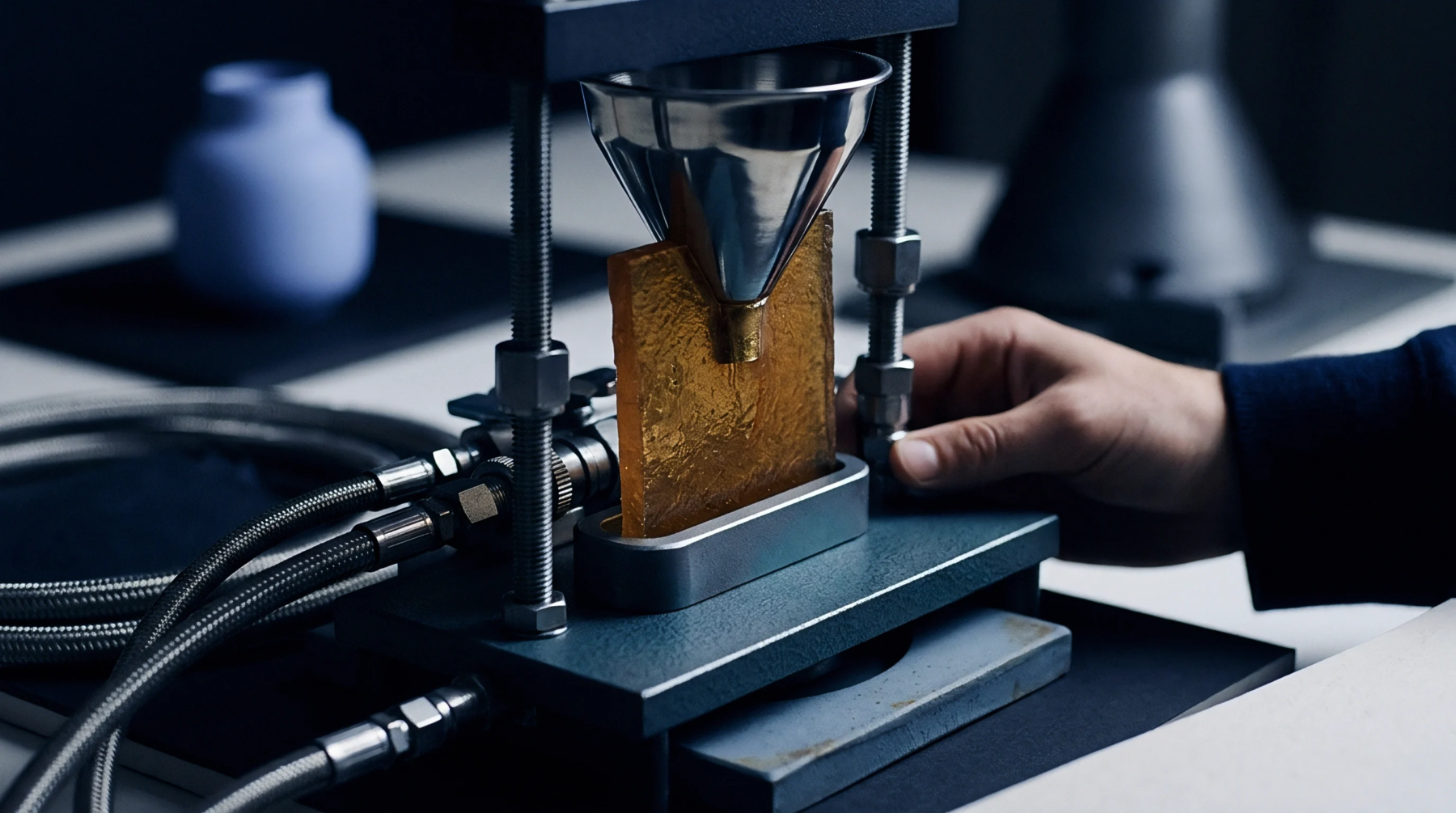
Quality control procedure performed to confirm that the moisture content of a resin is within the specified limits before it enters the moulding process. Prevention of defects such as splay and brittle failure in the final part relies on this confirmation. Drying verification ensures that hygroscopic polymers like nylon or PET do not undergo hydrolysis during melt processing.
Measurement Technique
Loss-on-drying scales or Karl Fischer titrators provide the data needed to approve a batch for production. A loss-on-drying instrument heats a sample and measures the weight change, which is fast but can include volatile additives. Titration is the preferred method for high-performance resins because it specifically measures water molecules.
Hopper Sampling
Samples are taken directly from the dryer discharge to represent the material currently being fed to the machine. If the verification shows moisture above the limit, the moulding run must be delayed until the drying cycle is complete. This step prevents the scrap costs associated with running defective parts.
Specification Boundary
Different resins have different allowable limits, often ranging from 0.01 percent for PET to 0.2 percent for certain grades of ABS. While a datasheet value might specify a very low moisture level, the moulder must balance this against the risk of over-drying. Excessive heat exposure can lead to yellowing or the loss of important additives.