Meaning
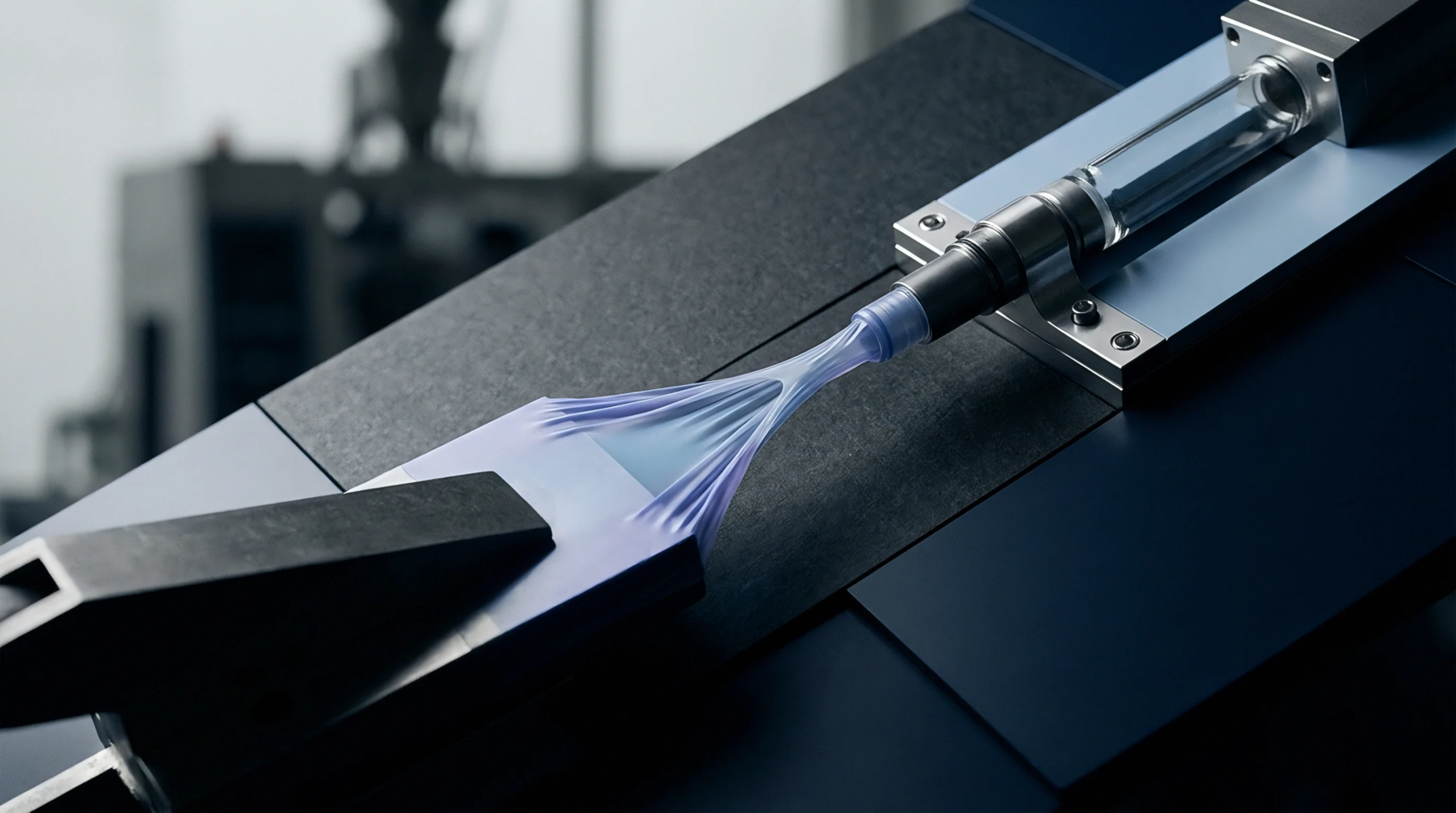
Polymeric mass displacement during high pressure cavity filling produces corner thinning, a localized reduction in wall thickness occurring inside sharp internal 90 degree tooling junctions. Excessive local shear heating lowers melt viscosity at these specific geometric stress points, forcing material outward before freezing occurs. This dimensional defect breaches strict part specifications without necessarily violating general material standards set by resin manufacturers.
Cavity Pressure
Hydraulic packing stages force molten polymer into tight radii where radial flow velocity accelerates sharply. High shear rates break molecular orientation and reduce localized density in structural ribs and wall transitions. Production technicians must balance gate pressure against clamping tonnage to prevent excessive material displacement away from vulnerable internal angles.
Toolmakers counter this displacement by generating generous fillet radii during the initial CNC machining phase of core and cavity inserts.
Regrind Economics
Thermal degradation during repeated reprocessing cycles reduces the molecular weight of engineering thermoplastics like polycarbonate and polybutylene terephthalate. Degraded polymer chains flow too easily under standard injection speeds, aggravating wall thinning at sharp mold intersections. Virgin polymer pellets maintain stable melt flow indices that resist excessive displacement during the critical secondary holding phase.
Economic pressures favoring high regrind ratios frequently trigger severe geometric defects unless barrel temperatures are lowered proportionally.
Moulding Variance
Datasheet values assume uniform cooling rates that rarely occur inside complex multi cavity production tools with restricted water line routing. Localized hot spots near deep ribs maintain polymer chains in a liquid state longer than adjacent flat surfaces. Automated coordinate measuring machines detect these discrepancies by comparing digital part scans against CAD geometry.
Process controllers compensate for thermal drift by adjusting cool down timers rather than modifying primary injection velocities.