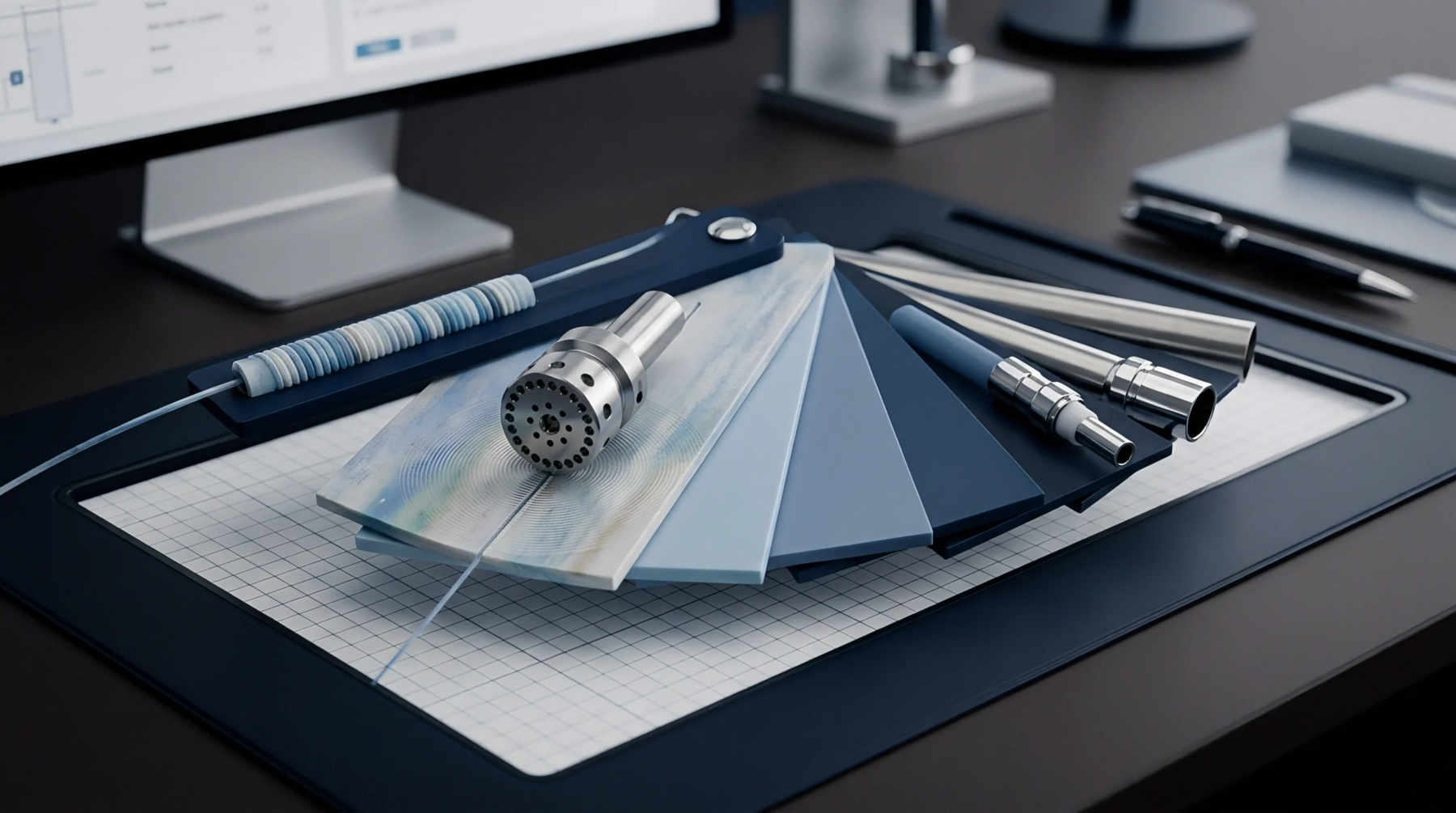
Toolroom Blueing Shut off Verification for Injection Moulding
Toolroom blueing shut-off verification proves metal contact under compression to eliminate plastic flash, protect tool steel, and validate parting line pre-load.
Non-drying pigmented compounds provide high-contrast visual evidence of physical interference between two mating surfaces during the assembly and testing of precision injection moulding tools. Applying contact transfer paste to a master surface allows a technician to observe the exact footprint of contact on a secondary part after the two components are brought together under pressure. It identifies high spots in shut-off areas where steel must meet steel to prevent flashing during the injection cycle.
This substance functions as a diagnostic material rather than a lubricant. Use of this medium is typically confined to the tool room or the assembly floor during the final fitting stages. The paste remains wet indefinitely to allow for multiple adjustments without reapplication.
Precision tooling requires absolute contact at the parting line to contain pressurized polymer melts without creating thin webs of excess plastic known as flash. Technicians apply a thin layer of the paste to the core or cavity side before cycling the tool in a spotting press. When the tool opens, the transfer of pigment reveals where the surfaces touch and where gaps remain.
Gaps larger than the vent depth of the resin being processed will result in defective parts. Manual stoning or grinding continues until the pigment pattern shows uniform contact across all critical shut-off zones. This method eliminates guesswork in the final fitting of complex slides and lifters.
Achieving a perfect seal is mandatory for high-pressure applications.
The chemical composition of these pastes involves a heavy concentration of pigments like Prussian blue or ferric oxide suspended in a non-curing oil base. High pigment density in contact transfer paste ensures that even a microscopic film remains visible against polished tool steel or chrome plating. Because the carrier oil does not dry or skin over, a single application stays effective for several test cycles during a long shift at the bench.
Choosing a high-visibility colour is important for inspecting deep ribs or narrow channels where lighting is poor. The viscosity of the paste must be high enough to resist running under gravity while remaining thin enough to avoid creating an artificial thickness that would skew the measurements. Accurate results depend on a uniform and extremely thin application across the entire steel surface.
Excessive paste can fill gaps that should remain open for venting, leading to false readings and poor tool performance.
While these pastes are indispensable for bench work, they are not used during actual production runs because the pigments can contaminate the plastic parts. If contact transfer paste remains on the tool when it moves to the press, the first several dozen shots will likely show staining or grease marks. Thorough cleaning with a degreasing agent is required once the fit is verified and before the tool is heated for operation.
The paste provides a static measurement of cold steel dimensions which may change slightly when the tool reaches its operating temperature. Thermal expansion should be factored into the final fitment if the tool runs at high temperatures. Final verification happens under production conditions.
Toolroom blueing shut-off verification proves metal contact under compression to eliminate plastic flash, protect tool steel, and validate parting line pre-load.
Expertise is a utility, not a secret. sentiention™ publishes its working knowledge as open reference: intelligence layer covering the materials it sources, the markets it enters, and the reference that serves both.