Meaning
Chemical conversion of a metallic surface creates a thin, non-reactive layer that inhibits environmental oxidation. Chromium oxide passivation involves the deliberate oxidation of stainless steel or treated metal components to form a stable, protective barrier. This inert layer prevents the diffusion of oxygen into the underlying crystalline structure, stopping the development of galvanic corrosion and pitting.
Moulding Integrity
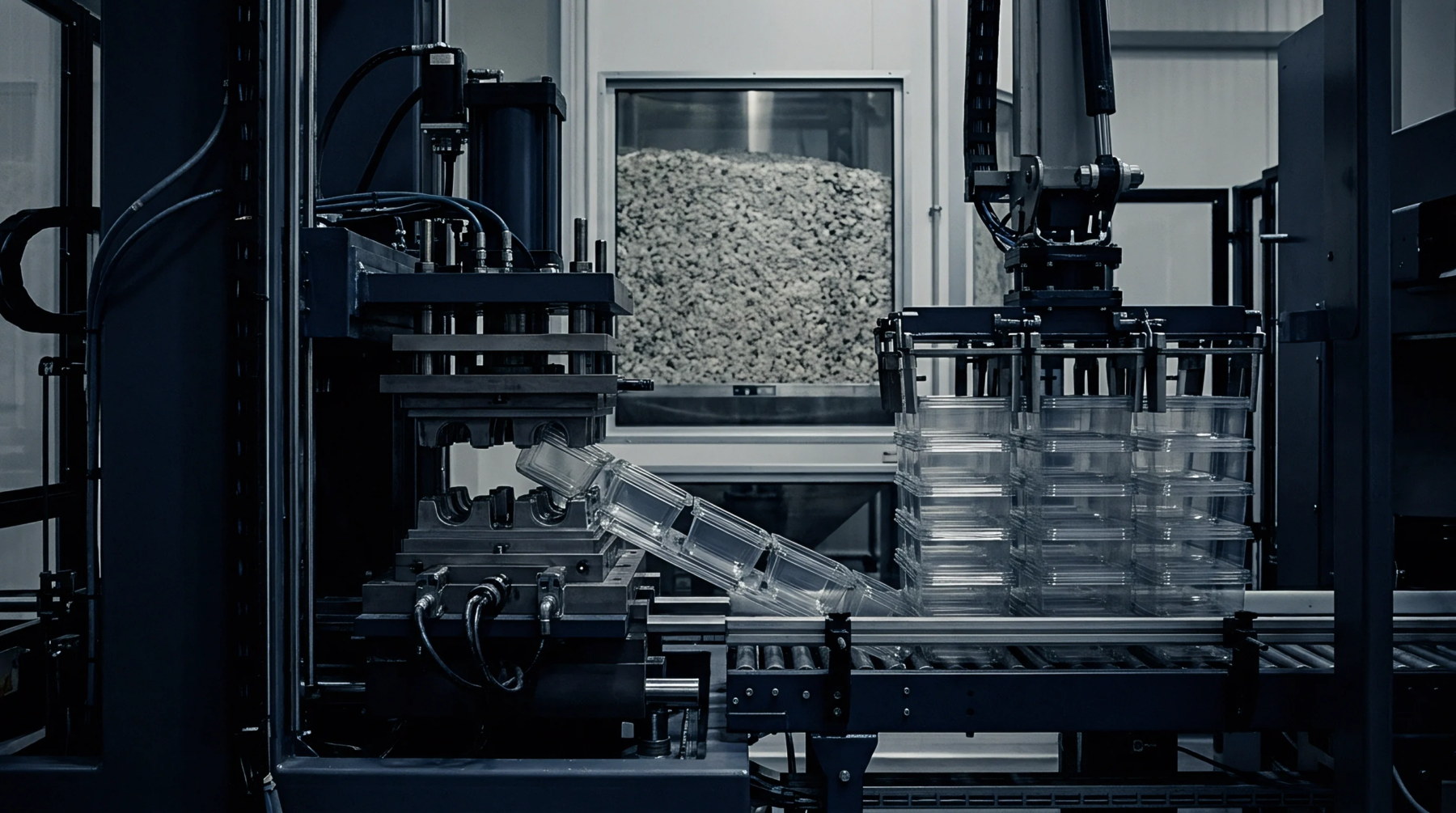
Polymer flow characteristics across metal tooling surfaces depend heavily on the smoothness and chemical stability of the mould cavity. Chromium oxide passivation reduces the reactivity between the molten resin and the steel insert, preventing chemical adhesion during the injection cycle. Microscopic surface imperfections remain sealed by the oxide layer, which lowers the coefficient of friction and assists in the release of finished parts from the core.
Excessive wear on this layer necessitates stripping and re-application to maintain consistent part geometry and surface finish.
Tooling Economics
Maintenance schedules for injection moulds require a balance between production downtime and the risk of catastrophic surface degradation. Virgin polymers containing abrasive glass fillers or flame retardants accelerate the erosion of the protective passivation film far faster than unfilled commodity resins. When the oxide layer fails, the underlying alloy becomes vulnerable to acidic byproducts released by degrading polymers, leading to localized metal fatigue and mold staining.
Replacing a damaged surface finish through chemical bath re-treatment remains significantly cheaper than grinding or replacing the entire tool steel substrate after deep pitting occurs.
Process Standards
Surface specifications for medical and food-contact moulded products demand consistent chemical resistance across every production run. Manufacturers perform copper sulfate testing to verify the continuity of the protective film, detecting any areas where free iron atoms remain exposed. Validation of this oxidation step ensures that metal additives from the mould do not migrate into the final plastic product during high-temperature forming operations.
Uniform formation of the barrier layer guarantees the chemical neutrality required for high-precision polymer production.