Meaning
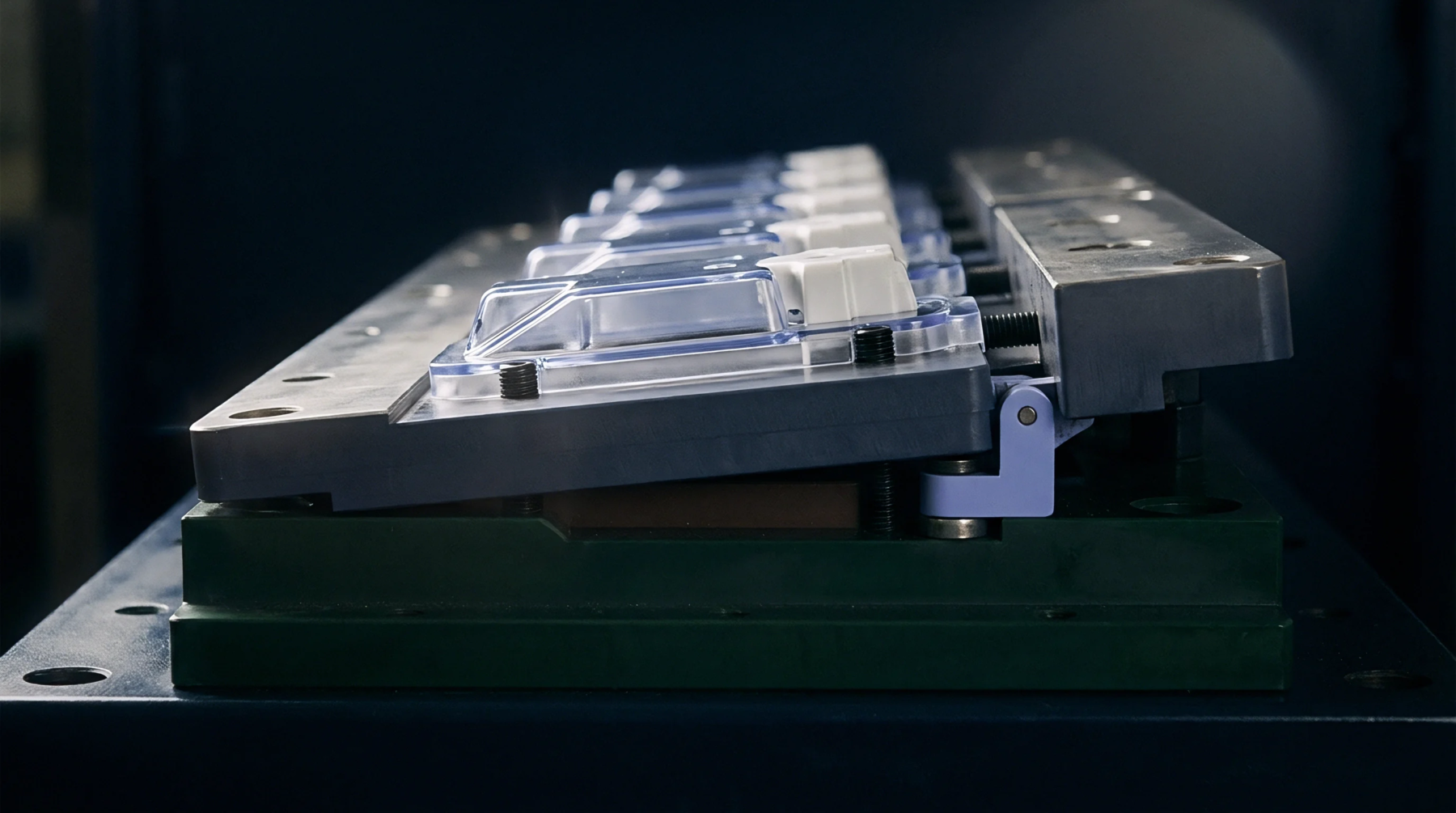
Contact assessment techniques determine the physical mating precision between two tool components by applying a thin layer of pigmented paste. In mould making, blueing trials identify gaps or high spots on shut off surfaces where polymer flash might otherwise occur during injection. The process requires the application of a pigmented paste to one face, closing the tool under pressure, inspecting the transfer pattern on the opposing side and recording the result.
Surface Verification
Transfer patterns reveal the exact percentage of surface area meeting the required tolerance for a gas-tight or melt-tight seal. Successful blueing trials confirm that the cavity and core geometry align without interference or excessive clearance. The presence of dye across the landing area indicates a proper seal.
Alignment Integrity
Mechanical adjustments follow any discovery of uneven pigment transfer to prevent premature tool wear. If the high-pressure closure shows concentrated pressure on a single corner, the steel risks permanent deformation. Precision grinding often corrects these localized points.
Operational Reliability
Flash reduction depends on the quality of these manual checks before the tool ever reaches the press. While digital scans provide data, blueing trials offer a physical proof of the seal under actual clamping forces. This step remains a standard requirement in the final assembly of complex multi-cavity tools.