Meaning
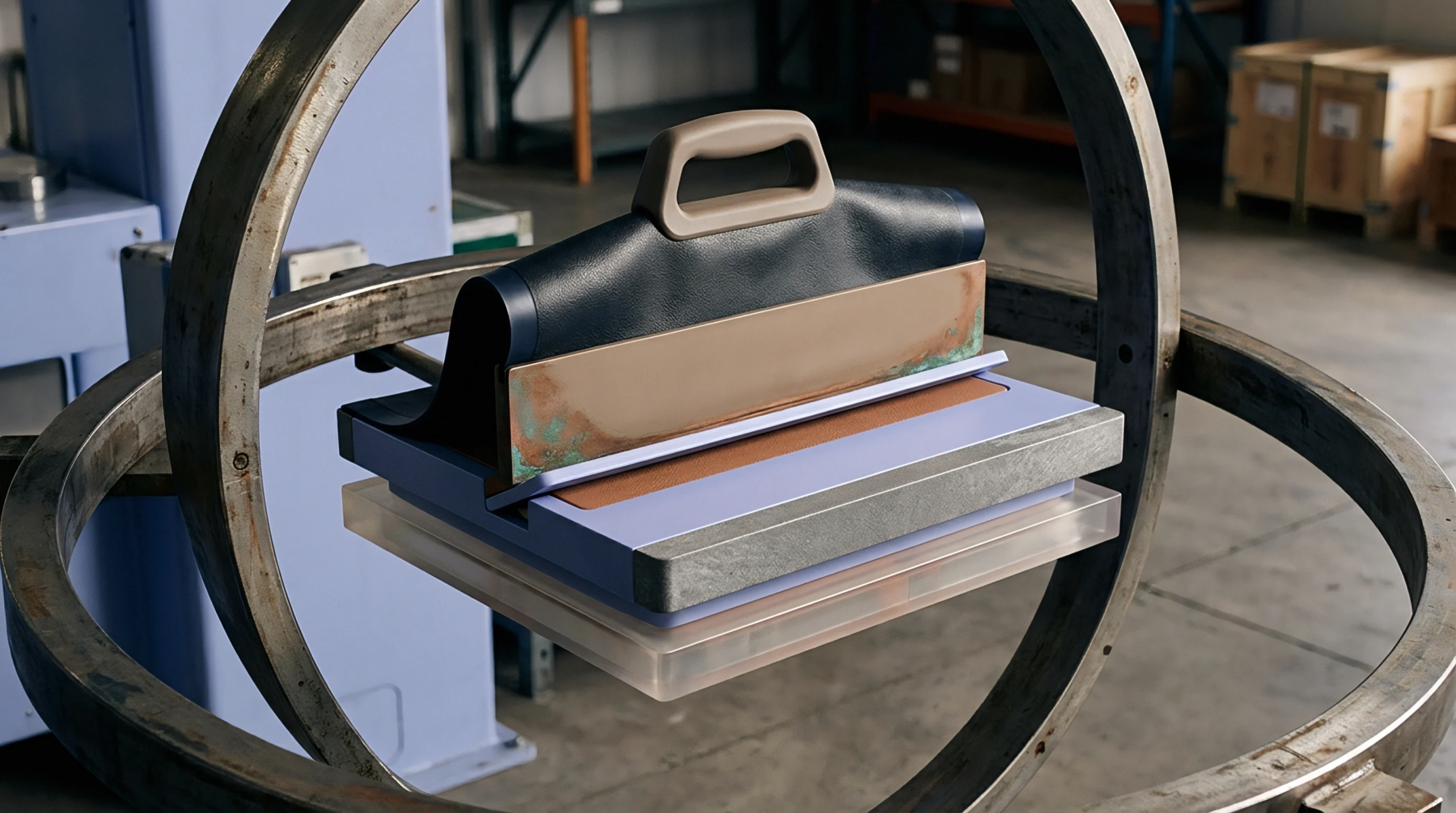
Standard practices for making heat seals to determine the sealability of flexible barriers provide a structured methodology for evaluating how jaw temperature and dwell time affect seal strength. Molders and packagers rely on astm f2029 to construct heat seal curves that define the sealing window of plastic films. The standard governs the laboratory preparation of seals but does not dictate the final performance specifications of the packaging.
Process Control
Sealing jaw temperatures must exceed the resin melting point to achieve complete fusion. Dwell time and jaw pressure dictate the polymer interdiffusion across the interface.
Jaw Calibration
Multi-zone heaters inside the sealing jaws must be calibrated regularly to eliminate temperature gradients across the sealing area. Variation in jaw pressure or heat distribution across the bar alters the seal thickness and leads to localized weak points. Technicians measure the actual temperature of the jaw face using thermocouples rather than relying on the controller display.
Material Yield
Plastic film laminates must be tested to differentiate between adhesive failure at the seal interface and cohesive failure within the film itself. The evaluation involves measuring the force required to pull the sealed specimen apart using a tensile tester. Highly optimized seal parameters yield film tear rather than peel, confirming that the seal strength exceeds the material strength.