Meaning
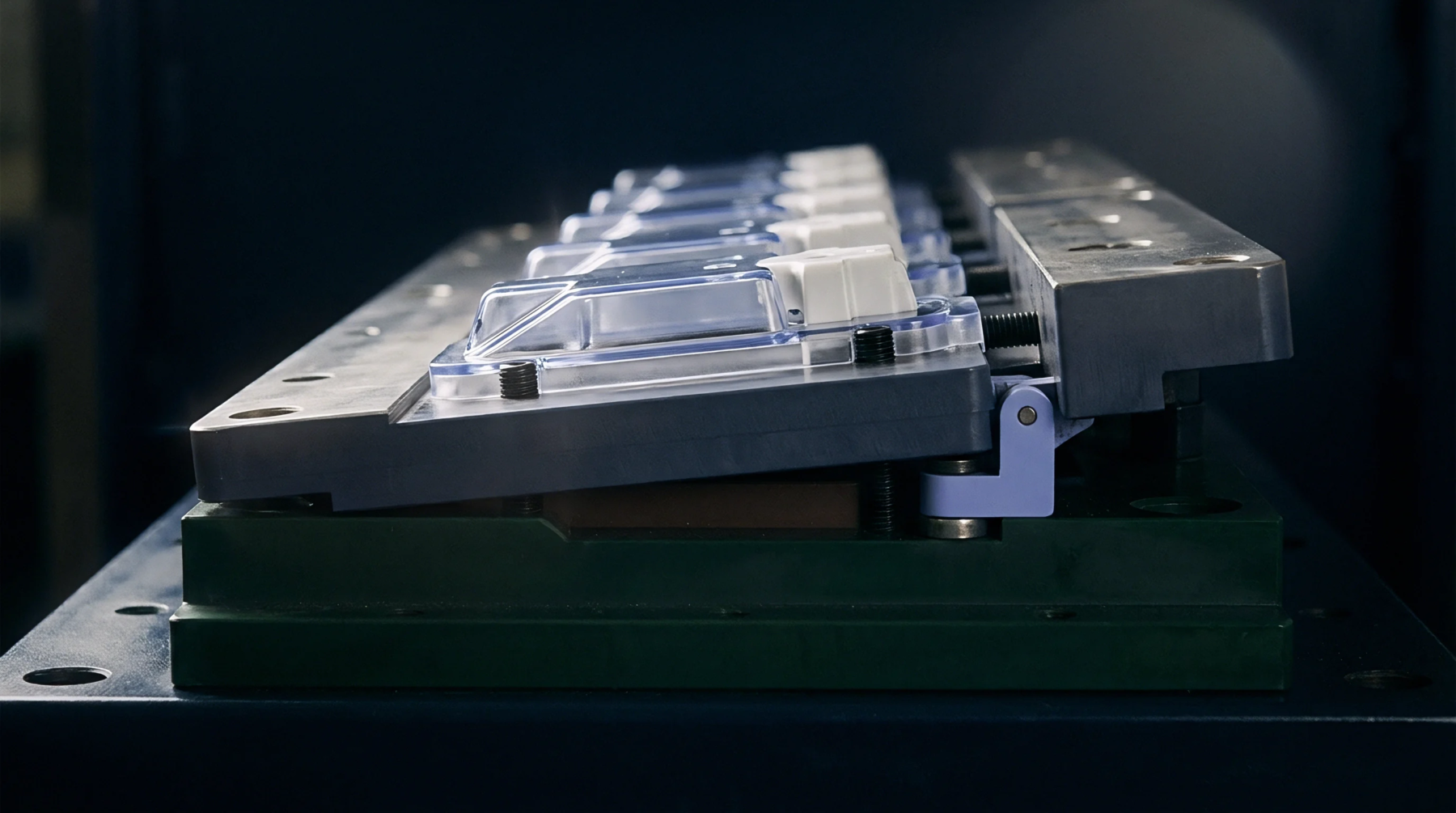
Differences in the amount of resin delivered to each cavity in a multi-cavity mold during the injection phase define the uniformity of a production run. A volumetric fill spread occurs when the flow resistance or the temperature varies between different branches of the runner system. It is measured by weighing the individual parts from a short shot and comparing the heaviest to the lightest.
The goal is to minimize this variation to ensure that every part has the same weight and dimensions.
Process Balance
Uniformity of the melt delivery is required to produce parts that are identical across all cavities. When a volumetric fill spread is present, some cavities may be over-packed while others remain under-filled. This leads to variations in shrinkage, weight and mechanical properties within a single shot.
Adjusting the gate sizes or the runner diameters is often necessary to achieve a balanced fill. The pressure drop in each flow path must be matched to reduce the variation.
Defect Prevention
Control of the filling pattern reduces the occurrence of sink marks and flash. A high volumetric fill spread often results in some parts being rejected for being out of tolerance even when the machine settings appear correct. By evening out the flow, the molder can operate within a wider processing window.
This stability is particularly important for high-speed thin-wall molding applications. Part quality becomes more predictable when the fill is synchronized.
Quality Control
Statistical analysis of the part weights provides an ongoing measure of the health of the mold. Monitoring the volumetric fill spread allows the operator to detect issues like blocked gates or failing heaters in the hot runner. Consistent results indicate that the cooling and injection systems are functioning as intended.
Reducing the spread is a key step in optimizing the yield of a production run. Regular weighing of parts identifies drift before it leads to scrap.