Meaning
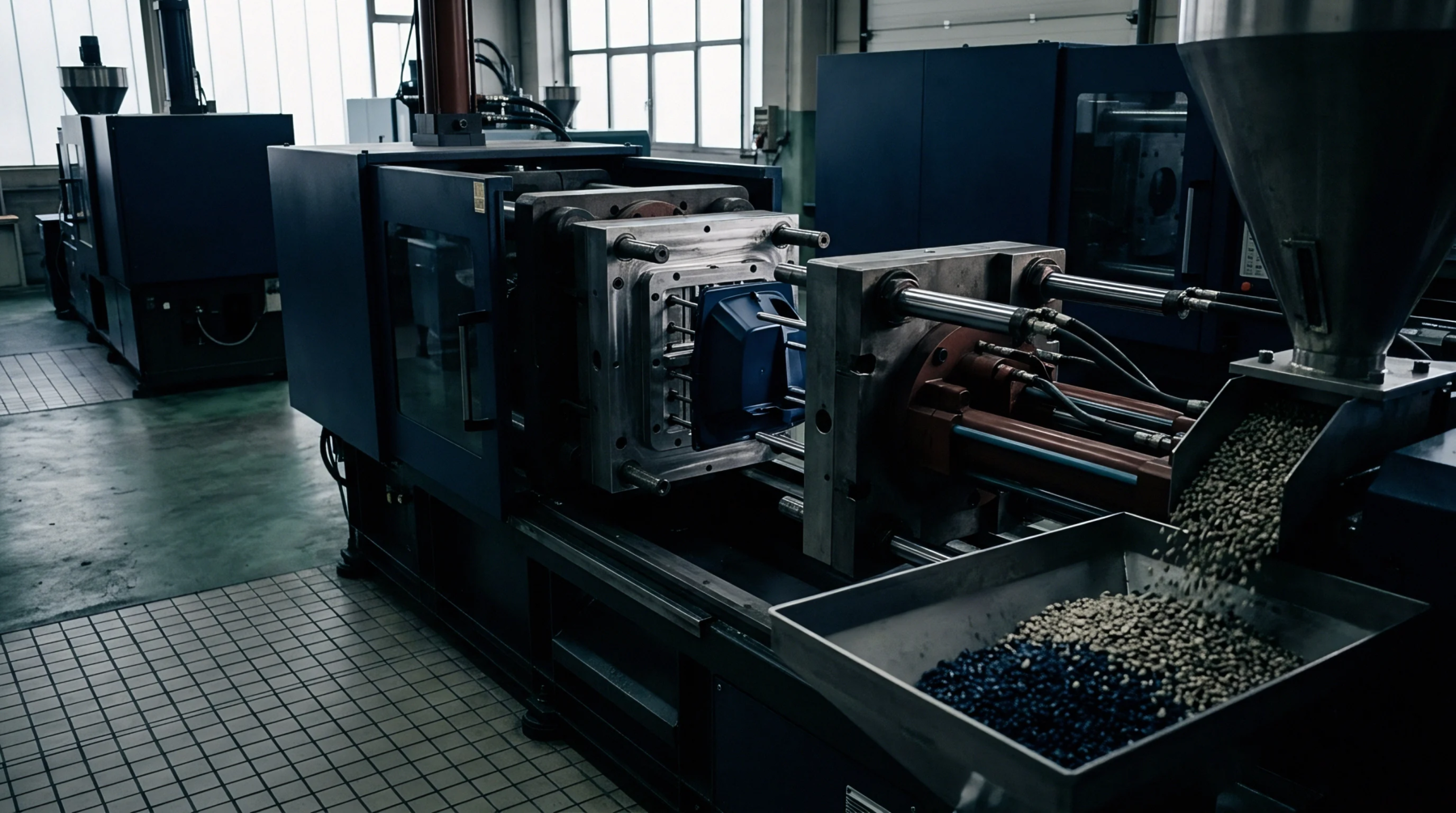
Mechanical dissipation of shear energy into thermal energy within flowing polymer melts raises bulk fluid temperatures beyond external barrel heating set-points. Thermoplastic processing equipment experiences viscous heating whenever high injection speeds or high screw rotation rates force high-viscosity molten resin through restricted passages. Polymer chains slide over one another during laminar shearing, converting mechanical drive power directly into internal kinetic friction.
This localized internal heat source influences melt flow dynamics in extruders, injection moulding nozzles, runners, and tight gate orifices. When shearing forces become extreme, the resulting thermal surge causes resin degradation, material discolouration, and structural failure.
Extrusion Dynamics
Screw flight geometries and rotation speeds govern shear distribution across the barrel length during continuous plasticating extrusion. High-shear metering zones generate substantial viscous heating, which often supplies the majority of energy required to melt incoming resin pellets, relegating barrel resistance heaters to an idle state. Extrusion technicians must carefully control screw revolutions per minute when running shear-sensitive polymers like high-density polyethylene or rigid polyvinyl chloride.
If screw shear generation outpaces the barrel cooling system’s heat extraction capacity, thermal runaway occurs, causing polymer discoloration, molecular scission, and unmanageable output variation.
Moulding Distortion
Restrictive flow geometries within injection tooling amplify internal frictional heating during the velocity-controlled cavity filling phase. High injection velocities driving melt through restrictive sub-gates induce intense viscous heating, causing local melt temperatures to jump by twenty to forty degrees Celsius within milliseconds. This sudden thermal surge can degrade organic color pigments, break down impact modifiers, and produce splay marks on cosmetic surfaces.
Molders facing unexpected thermal degradation often reduce injection speeds or enlarge gate diameters to moderate the shear-induced temperature spike without sacrificing complete cavity packing.
Rheological Compensation
Non-Newtonian fluid behaviors interact dynamically with frictionally generated temperature changes during high-speed moulding. Because polymer melt viscosity falls as temperature rises, shear-induced heating lowers the apparent viscosity of the resin, allowing faster filling at lower hydraulic pressures. Process engineers capitalize on this thinning effect to fill ultra-thin packaging walls, but they must calculate the thermal margins to avoid degrading resin stabilizers.
Process optimization balances screw speeds, gate geometries, and injection rates to extract the fluid-flow advantages of shear thinning while suppressing destructive thermal decomposition.