Meaning
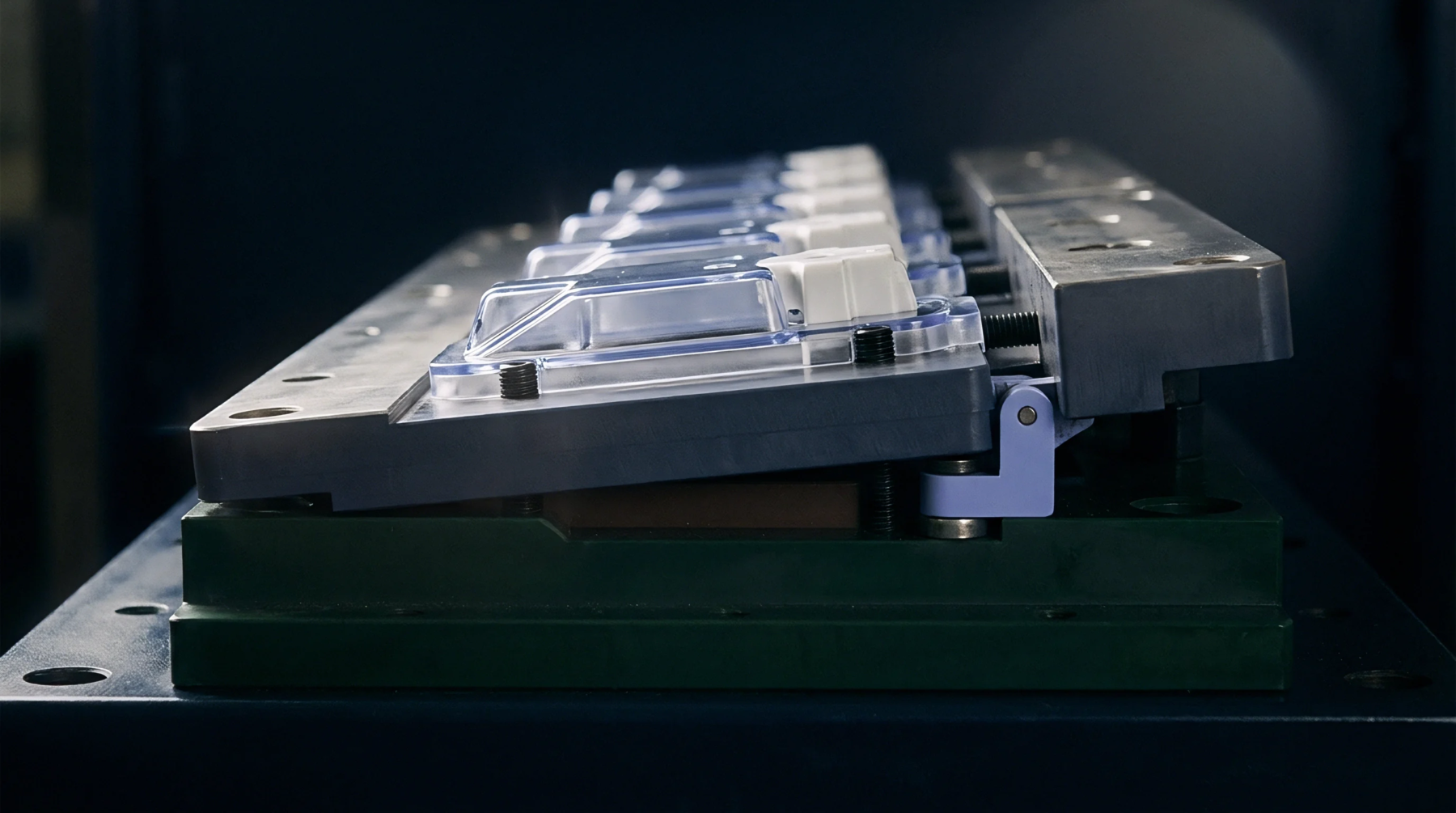
Critical transition points in injection moulding control shift the machine from a velocity controlled filling phase to a pressure controlled packing phase. The velocity to pack switchover prevents the mould from being filled under high speed injection pressure, which could cause flash or damage the tooling. This setting is one of the most critical parameters in scientific moulding.
Transition Control
A modern injection moulding machine can trigger this transition based on screw position, injection pressure or time. In a decoupled moulding process, the velocity to pack switchover is set to occur when the mould cavity is approximately ninety five percent full. This ensures that the final filling of the cavity is performed at a lower, controlled pressure.
Process Stabilization
Setting this point correctly reduces part weight variation and eliminates the risk of short shots or flash. If the velocity to pack switchover occurs too early, the machine will pack the cavity too slowly, leading to sink marks or incomplete parts. Conversely, if it occurs too late, the high speed filling can over pressurize the cavity, causing tool damage and part sticking.
Sensor Integration
Cavity pressure sensors provide the most accurate feedback for triggering this transition. By using the measured pressure in the mould to trigger the velocity to pack switchover, the system automatically adjusts for changes in resin viscosity and temperature. This advanced closed loop control ensures that every part is packed under identical conditions, maximizing yield and reducing the need for manual process adjustments during the run, even when using materials with highly variable melt flow rates like post consumer regrind.