Meaning
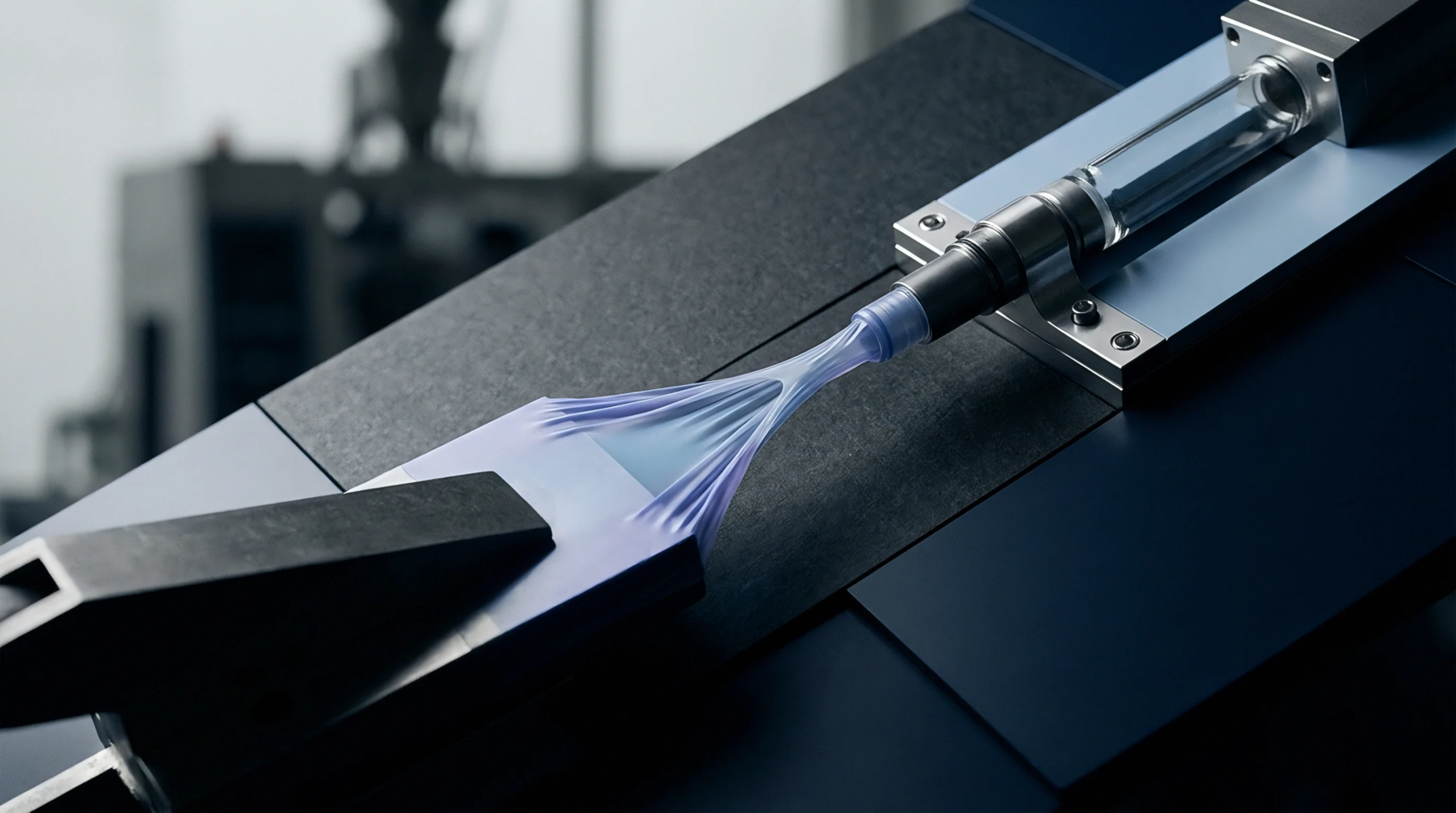
Theoretical framework in polymer rheology simplifies the complex multi-chain interactions of a melt by treating each molecule as if it were confined within a narrow cylindrical region. This model, known as the tube model, describes how the chain moves primarily along its own contour via reptation. It predicts the viscoelastic behavior and shear-thinning traits of linear and branched resin grades during extrusion.
Chain Dynamics
Thermal motion of the polymer chain is restricted to a slide-like action along the axis of the imaginary channel. In the tube model, the surrounding chains act as a solid boundary that the test chain cannot cross. The time it takes for a chain to escape this tube represents the relaxation time of the polymer.
Understanding this mechanism is essential for explaining how different molecular weight distributions affect the flow behavior of melted plastics.
Process Simulation
Rheological software uses these molecular principles to model the flow of polymers through dies and runners. By calculating how the tube model adjusts under high shear, the simulation predicts the viscosity changes during melt processing. This prediction helps engineers design extrusion dies that avoid high shear zones that could lead to melt fracture.
It ensures that the flow channel geometry matches the relaxation behavior of the specific resin being processed.
Resin Development
Molecular design of new resins relies on these theoretical principles to create polymers with tailored processing traits. By modifying the length of the polymer chains or adding long-chain branching, chemists can alter the relaxation time within the imaginary tube. These changes in molecular structure direct the melt strength and shear-thinning response of the material.
This precise control allows for the production of resins that flow easily during injection moulding while maintaining high melt strength for blow moulding applications, reducing the dependence on empirical trials.