Meaning
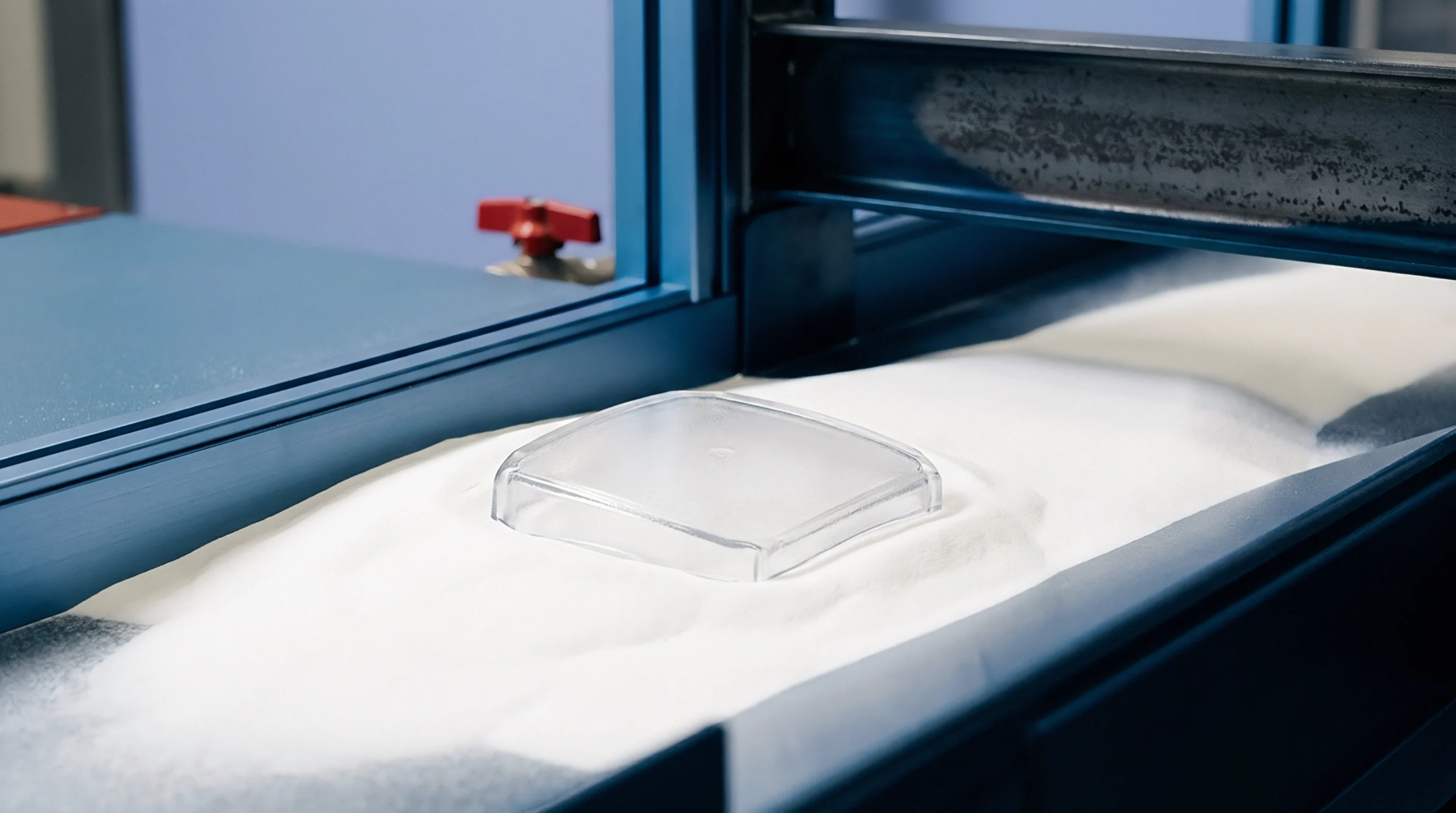
Quality control approval marks the initial functional cycle of an injection mould as a success. t1 sample part validation confirms the geometry and structural integrity of the output before a moulder authorizes mass production. It establishes the baseline for all subsequent dimensional stability throughout the run.
Production Logic
Mould maintenance programs define these outputs by requiring a full technical inspection of the first molded components. The procedure checks physical dimensions against the engineering drawings to identify any deviation caused by core shift or sink marks. If the resin cooling rate fluctuates within the cavity, the part exhibits localized warping that requires immediate adjustment to the gate geometry or runner flow balance.
Proper tool calibration depends on this assessment because it prevents the permanent adoption of incorrect wall thicknesses.
Material Economics
Regrind ratios affect the repeatability of these first articles compared to the virgin resin specified in the original design. Datasheet values indicate the performance of pure polymer under laboratory conditions, but the injection molding environment produces variation that alters the final part density. Suppliers maintain the material specification by ensuring the pellets remain within a standard viscosity range, yet the molder manages the actual viscosity by adjusting injection pressure and hold time.
Any failure to monitor this interaction results in costly scrap when the physical geometry drifts outside the tolerance zone.
Regulatory Scope
Legal compliance relies on documented proof that the tool produces parts as designed. Auditing bodies demand these records to verify that a manufacturer maintains control over the transition from prototype testing to full scale manufacturing. Consistency between the first sample and the final product provides the only evidence of stability in the production process.