Meaning
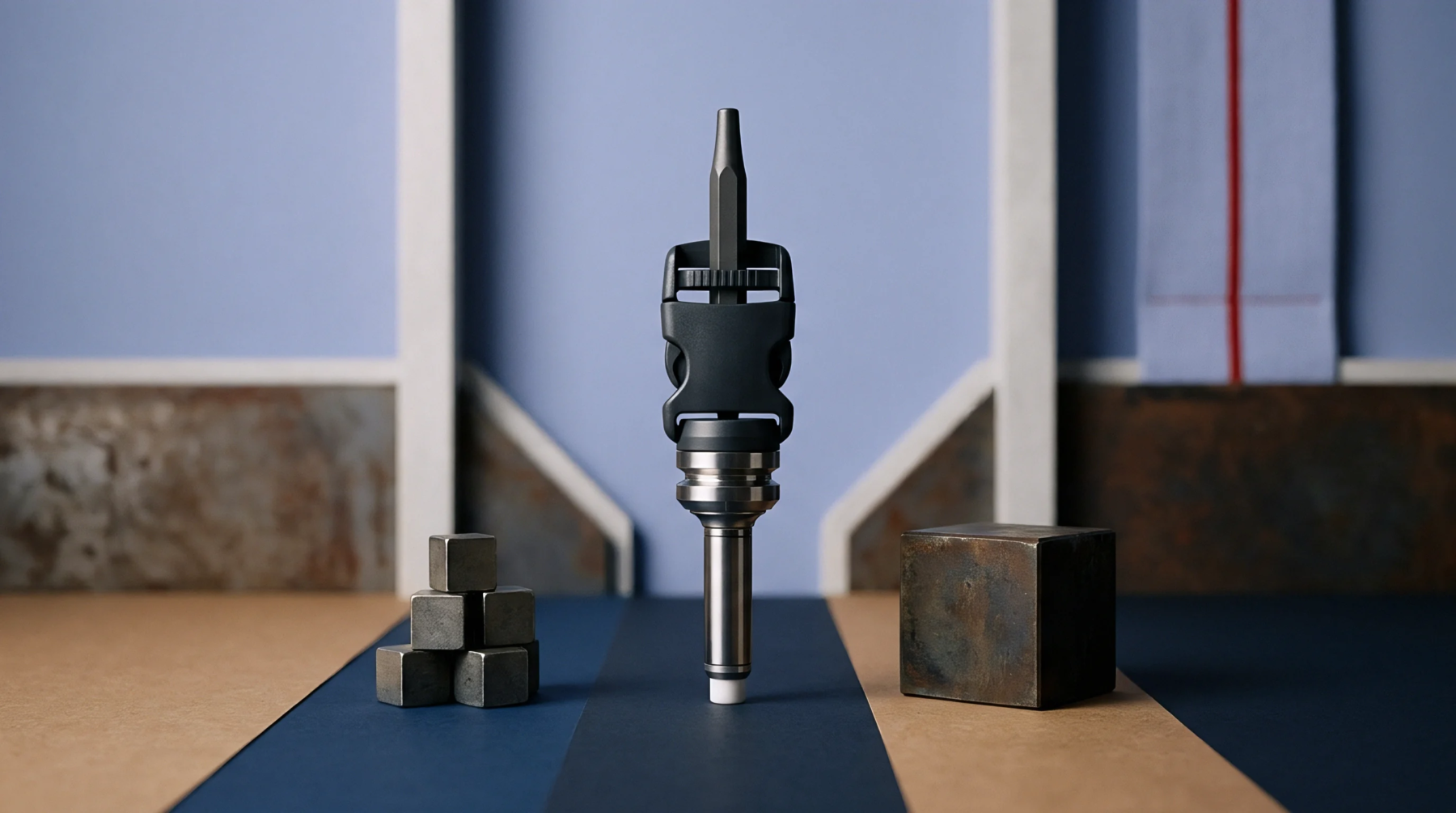
Dynamic nozzle components provide thermal expansion compensation and melt containment at the interface between hot runner nozzles and mould cavity plates. Tooling designers specify a sliding seal tip to maintain mechanical contact across varying operating temperatures. Thermal growth of the hot runner manifold forces the sealing surface against the cold cavity plate without causing permanent mechanical deformation.
Its sealing capability ceases if thermal expansion limits are exceeded or if high injection pressures deform the tip mating geometry.
Thermal Expansion
Operating temperatures inside hot runner systems reach elevated levels, expanding metal components relative to cold mould steel. The nozzle tip slides within a precision-bored pocket in the cavity plate, absorbing linear growth without distorting tool geometry. Proper clearance around the sliding seal tip prevents melt leakage while permitting smooth axial movement during heat-up.
Incorrect clearance causes metal galling or plastic leakage.
Wear Resistance
Abrasive fillers like glass fibers accelerate wear on dynamic sealing surfaces. Hardened tool steel or specialized carbide coatings extend seal operational life.
Maintenance Cycle
Disassembly and inspection prevent unexpected seal failure during long production runs. Polymer degradation around tip clearances increases sliding friction and induces wear. Regular replacement of the sliding seal tip avoids costly cavity plate damage and minimizes unscheduled moulding downtime.