Meaning
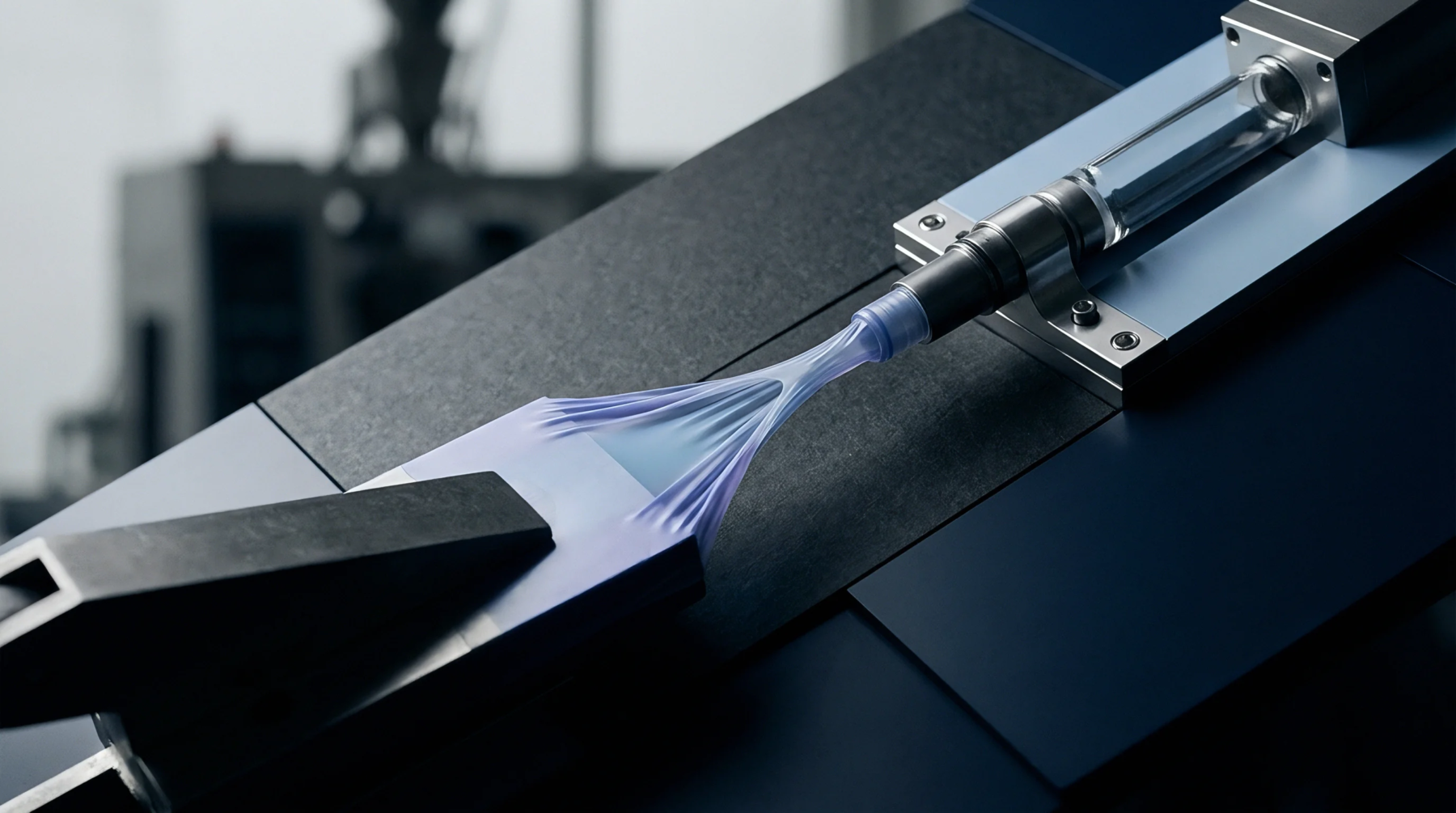
Electrical actuator systems provide precise linear positioning for the pins within a hot runner manifold. A servomotor valve gate allows independent control of movement profiles, velocity, and pressure for each drop in a multi-cavity injection mould. Such technology replaces traditional hydraulic or pneumatic cylinders that lack fine-tuned positional feedback.
Adjustments to the gate timing occur through digital signals sent to the controller rather than through manual adjustment of fluid flow restrictors.
Mechanical Execution
Linear motion depends upon a ball screw mechanism that translates rotational energy into the force necessary for pin actuation. Motors mounted to the mould plate receive instructions from the injection press to synchronize opening and closing cycles with the material injection sequence. High torque output ensures the pin remains seated against the gate orifice during the packing phase.
This maintains cavity pressure while preventing premature freezing of the melt at the gate interface. Proper calibration of the home position ensures the pin face sits flush with the cavity wall to eliminate cosmetic blemishes on the molded surface.
Moulding Performance
Regrind percentages alter the viscosity and flow characteristics of the polymer, creating shifts in the required injection pressure. Consistent gate closure relies upon the ability of the servomotor valve gate to compensate for these variances without human intervention. Parts produced with this hardware maintain better dimensional stability compared to those made with passive pin systems.
Variations in the resin temperature or the viscosity of the melt no longer necessitate mechanical adjustments to the manifold timing. Excessive gate vestige or stringing often results from timing drift or imprecise pin seating which these systems mitigate through high resolution positioning.
Operational Economics
Virgin material costs fluctuate based on the global price of feedstock, forcing processors to optimize throughput to retain margins. Capital expenditure for motorized systems exceeds that of air-operated alternatives, but the reduction in scrap rates recovers the initial outlay during long production runs. Maintenance requirements center on the lubrication of the ball screw and the integrity of the electrical cabling against the heat of the manifold.
Failures in these components trigger machine alarms that halt production before a batch of defective parts accumulates. Precise control of the gate sequence represents the highest attainable standard for high-speed automated moulding operations.